
What Are the Top 10 Personal Products for Global Buyers?
Global buyers are not choosing products in a vacuum. They compare price, performance, ingredient transparency, packaging, and how well an item fits daily routines. The Personal Products market spans practical essentials, from cleansers and moisturizers to oral care, deodorant, haircare, and sun protection. Demand also shifts by climate, culture, income, and access to retail or online delivery. A product popular in a humid city may feel too heavy in a dry climate. Small details matter.
Dermatologist and researcher Dr. Zoe Diana Draelos’s guidance can be summed up this way: “Choose products for your skin’s needs, not for the promise on the package.” This is a paraphrase, not a verbatim quotation. It reflects an important buying principle: assess intended use, clear labeling, suitable formulations, and credible product information before comparing claims. Buyers should also check packaging durability and local consumer requirements.
This guide introduces ten widely relevant product categories for international buyers. It considers everyday usefulness, broad consumer demand, and practical sourcing factors rather than claiming one universal ranking. There is no perfect global list. Some buyers will prioritize gentle cleansers; others may value refillable packaging or reliable sun protection. That variation matters. A shortlist can guide research, but it cannot replace local market testing, supplier checks, or feedback from real customers.
How Personal Products Are Defined in Global Markets
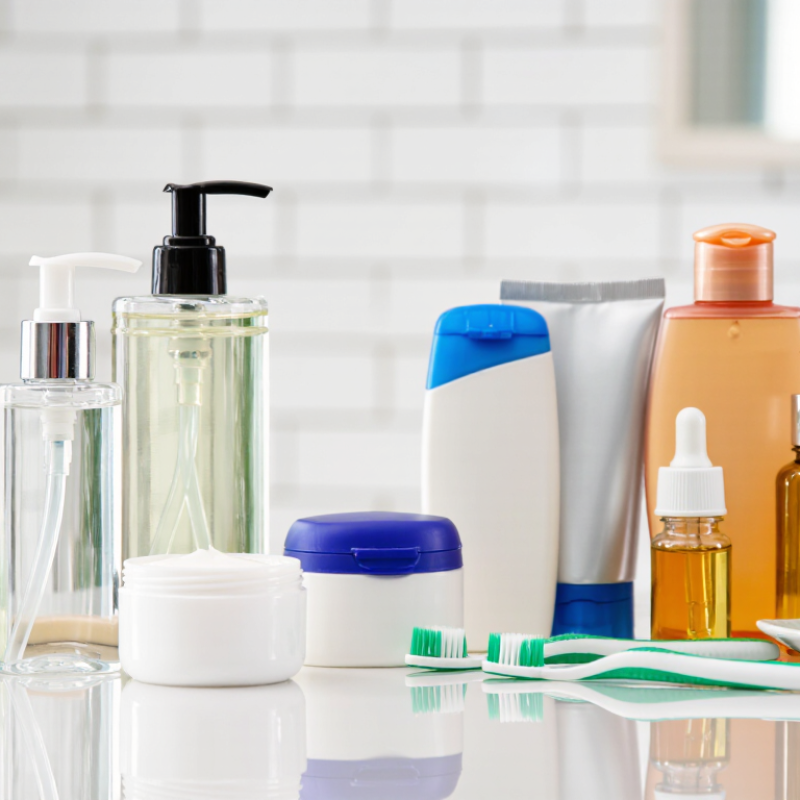
In global trade, “personal products” is a practical umbrella, not one universal category. It usually covers items used on the body or for daily hygiene: skincare, haircare, oral care, deodorants, shaving goods, and menstrual-care products. The boundary is fuzzy. A moisturizing lip balm may be treated as a cosmetic in one market, while customs systems classify goods by product type and ingredients. The EU Cosmetics Regulation, for example, defines cosmetics by their intended contact with external body parts, teeth, or oral mucosa. That definition helps explain why a personal-care shelf can contain products governed by different rules.
Market size also depends on what researchers include. McKinsey’s 2023 beauty-industry analysis estimated the global beauty market at about $430 billion and projected roughly 6% annual growth through 2027. That figure covers beauty, not every personal product, so it should not be read as the total value of hygiene and grooming goods. For buyers, clear definitions matter: compare like with like, check whether a report includes services or devices, and examine local labeling requirements. A travel-size shampoo, a toothbrush, and a facial serum may all be personal products to shoppers, yet belong to separate market and compliance categories. The distinction is easy to miss.
What Are the Top 10 Personal Products for Global Buyers? - How Personal Products Are Defined in Global Markets
Personal products are goods intended primarily for individual use, personal hygiene, grooming, appearance, or everyday comfort. This indicative list covers widely used product categories; it is not a sales ranking, and product definitions and regulations can differ by market.
| No. | Product Category | Common Products | Primary User Need | Global-Market Considerations |
|---|---|---|---|---|
| 1 | Oral Care | Toothbrushes, toothpaste, dental floss, mouthwash | Daily cleaning and oral hygiene | Ingredient rules, fluoride guidance, language requirements, and packaging standards vary by country. Manual and powered products may also have different safety and labeling requirements. |
| 2 | Bath and Body Cleansing | Bath soaps, body washes, cleansers | Personal cleansing and routine hygiene | Formulas and formats may be adapted to local preferences, water conditions, and climate. Cosmetic ingredient and labeling requirements differ across jurisdictions. |
| 3 | Hair Care | Shampoo, conditioner, hair treatments, brushes and combs | Hair cleansing, conditioning, and grooming | Hair types, styling practices, and climate-related needs vary among consumers. Cosmetic claims and ingredient labeling should be checked for each destination market. |
| 4 | Skin Care | Moisturizers, facial cleansers, lip care, body lotions | Skin cleansing, moisturizing, and everyday care | Product claims, permitted ingredients, and required label information vary by jurisdiction. Consumer needs may also differ with climate and local routines. |
| 5 | Sun Protection | Sunscreen lotions, creams, sprays, protective lip products | Protection from ultraviolet (UV) exposure | Sunscreen classification and requirements differ across markets; it may be regulated as a cosmetic or as a drug or therapeutic product. Local rules may govern approved filters, testing, and claims. |
| 6 | Menstrual Care | Sanitary pads, tampons, menstrual cups, reusable period underwear | Menstrual hygiene and period management | Product preferences, availability, and disposal infrastructure vary. Applicable safety, labeling, and product-classification requirements should be confirmed locally. |
| 7 | Deodorants and Antiperspirants | Roll-ons, sticks, creams, sprays | Managing body odor and, for antiperspirants, reducing perspiration | Deodorants and antiperspirants may be regulated differently depending on their ingredients and claims. Aerosol products can also face transport and packaging restrictions. |
| 8 | Shaving and Hair Removal | Razors, shaving creams, aftershaves, depilatory products | Facial and body grooming | Consumer routines and preferred formats vary by market. Sharp products require suitable packaging, while chemical hair-removal products may have specific ingredient and warning requirements. |
| 9 | Cosmetics and Makeup | Foundation, color cosmetics, eye products, makeup tools | Personal appearance and self-expression | Color ranges and product preferences differ among consumers. Ingredient lists, safety assessments, claims, and labeling must meet the rules of each market. |
| 10 | Personal Grooming Devices | Electric toothbrushes, hair dryers, trimmers, epilators | At-home grooming and personal care | Electrical safety, plug type, voltage, charging, and product documentation should be checked for each destination. Battery-powered devices may also be subject to shipping requirements. |
Related Posts
-
What Are the Top 10 Personal Care Products from China?
-

How to Source Personal Care Products Worldwide?
-

5 Essential Tips for Choosing the Right Personal Products for Your Daily Routine
-
What Are the Best Care and Beauty Products from China?
-
Exploring the Unique Features and Applications of Best Care Products for Global Buyers
-
Solutions for Optimal Use of Best Care Products