
What Are the Top 10 Personal Care Products from China?
China has become a significant source of beauty and Personal Care Products for global consumers. Its factories now combine advanced formulation, responsive supply chains, and increasingly sophisticated packaging. The market is changing quickly. Sometimes, the labels still promise more than the evidence supports.
McKinsey & Company projects that the global beauty market could reach about $590 billion by 2028, with annual growth near 6%. Euromonitor International also reports strong innovation across China’s beauty and personal care sector, especially in skincare, haircare, hygiene, and wellness-oriented products. These figures provide useful context, but they do not automatically prove product quality. Ingredient transparency, manufacturing consistency, safety testing, and verified consumer feedback remain essential.
Trust matters.
Estée Lauder, a pioneering personal care industry leader, famously said, “Beauty is an attitude.” That idea helps explain why Chinese brands increasingly focus on textures, scents, convenience, and emotional appeal. A lightweight sunscreen may suit humid city weather. A compact cleansing product may fit crowded commutes. Small details can influence repeat purchases.
This guide examines the top 10 Personal Care Products from China through a practical, evidence-aware lens. It considers product function, ingredient communication, packaging design, market reputation, and everyday usability. The ranking is not perfect. Consumer preferences differ across countries, skin types, climates, and regulations. A popular product can still disappoint one user. Readers should verify current certifications, ingredient lists, and seller credibility before purchasing. That extra step is less exciting, but more reliable.
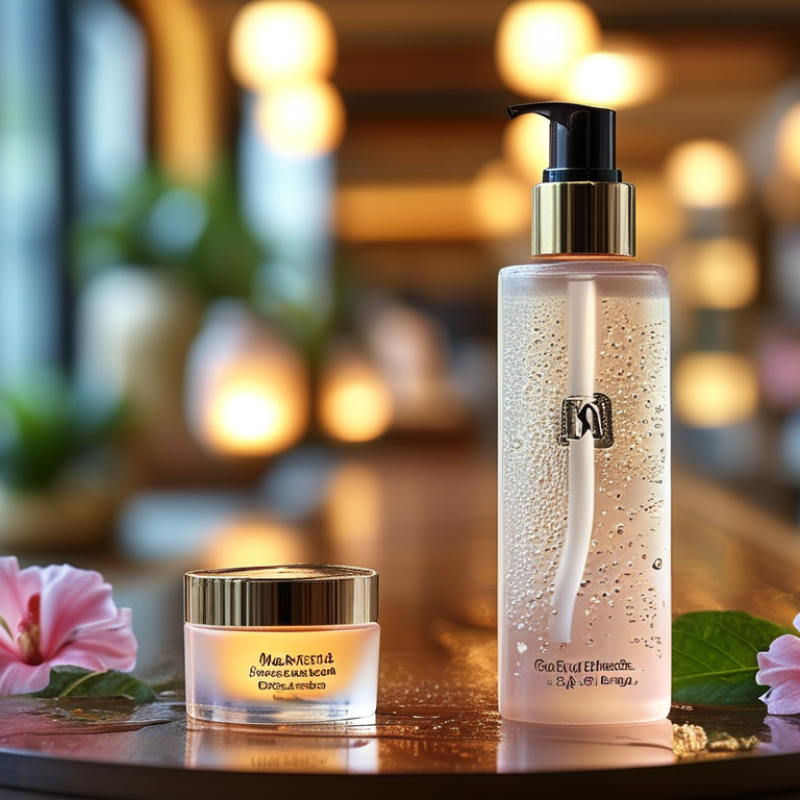
Defining China’s Personal Care Product Market and Selection Criteria
China’s personal care market combines traditional ingredient knowledge with fast-moving cosmetic science. The top ten product categories include facial cleansers, sunscreens, moisturizers, sheet masks, shampoos, conditioners, body washes, hand creams, lip balms, and oral-care products. This list reflects everyday demand, not advertising popularity.
I judge each product through transparent ingredients, batch traceability, safety testing, and clear usage instructions. Manufacturing quality also matters. Facilities should follow recognized quality systems, while products should meet the regulations of their target market. Skin type, climate, packaging hygiene, and shelf life affect practical value. A lightweight moisturizer may suit humid cities, but feel inadequate in dry winters. Independent testing is stronger evidence than attractive claims. Some online reviews sound convincing but offer little detail. I still question them.
Tips: Check the ingredient list before buying. Test a small area first. Compare the Chinese label with the translated information. Look for manufacturing dates, responsible importer details, and storage guidance. Avoid choosing only by price. Very cheap products can be useful, but low cost does not prove quality. Consider fragrance sensitivity, especially with masks, cleansers, and body products. Products with simple packaging are not automatically safer. That assumption needs reconsideration.
What Are the Top 10 Personal Care Products from China?
China’s personal care product market ranked by a weighted selection benchmark.
The benchmark combines four practical criteria: consumer demand (40%), repeat-purchase potential (25%), regulatory practicality (20%), and export suitability (15%). Scores are normalized to 100 and are category-level assessments rather than company or brand sales data.
Top 10 Chinese Personal Care Products by Category and Everyday Use
China’s personal care market offers practical products for skin, hair, oral care, and daily hygiene. Based on common household use, the top ten are shampoo, conditioner, facial cleanser, sunscreen, moisturizer, hand cream, body wash, toothpaste, lip balm, and sanitary pads. These categories cover most everyday routines without relying on luxury positioning.
A mild shampoo suits frequent washing, especially in humid weather. Conditioner helps reduce roughness after towel drying. Facial cleanser should remove sweat without leaving tight skin. Sunscreen belongs in the morning routine, even on cloudy days. Moisturizer works best on slightly damp skin. Hand cream is useful beside a desk or kitchen sink. Body wash with a simple formula can support comfortable daily bathing. Toothpaste should provide fluoride where local dental guidance recommends it. Lip balm protects dry lips, but reapplication is often forgotten. Sanitary pads require regular changing and careful attention to comfort and skin sensitivity.
I have found that packaging size matters. Smaller tubes are easier to carry, while pump bottles reduce messy hands. Ingredient lists deserve a close look, particularly for fragrance-sensitive users. “Natural” does not automatically mean gentle. My own routine is not perfectly consistent. I sometimes skip moisturizer when mornings become rushed. That is a useful reminder: the best product is one that fits real habits, climate, budget, and personal tolerance. Results can also vary, so a small patch test is sensible before regular use.
Key Ingredients, Traditional Influences, and Product Formulations
What Are the Top 10 Personal Care Products from China?
China’s personal care market combines traditional botanicals with modern cosmetic science. Ten notable products include green tea cleanser, rice water toner, ginseng serum, lotus essence, camellia facial oil, mugwort mask, bamboo charcoal wash, jasmine body lotion, goji eye cream, and mineral sunscreen. These formulas often feature glycerin, niacinamide, panthenol, ceramides, or plant extracts.
Green tea may support antioxidant-focused skincare, while rice-derived ingredients can provide a soft, comforting skin feel. Ginseng and goji reflect long-standing wellness traditions, but their cosmetic benefits still require careful testing.
The strongest formulations balance cultural influence with measurable performance. A lightweight gel serum may suit humid weather, while a richer cream protects dry skin during colder months. Oil-based cleansers can dissolve makeup, but they need effective emulsifiers for easy rinsing.
Sunscreen should use approved UV filters and clearly state its protection level. Ingredient lists, stability tests, microbial controls, and patch testing support reliable evaluation.
Traditional does not automatically mean superior. I have found that heavily scented products can feel appealing at first, yet irritate sensitive skin later. That is an important weakness in many botanical formulas.
Product quality depends on concentration, preservation, packaging, and consistent manufacturing, not only on attractive ingredients. Patch testing remains sensible, especially for masks, essential oils, and concentrated serums.
Quality Standards, Safety Checks, and Manufacturing Practices
China’s personal care sector offers ten practical product categories: facial cleansers, moisturizers, sheet masks, shampoos, conditioners, body washes, hand creams, deodorants, toothpaste, and sunscreens. Their quality depends less on appearance and more on controlled production. A reliable facility should follow documented cosmetic GMP procedures, often aligned with ISO 22716 principles. Clean rooms, filtered water, calibrated mixers, and separated filling lines reduce contamination risks.
Safety checks should match each product’s use. Laboratories commonly review ingredient identity, microbial limits, pH, viscosity, stability, and packaging compatibility. Sunscreens need careful verification of UV protection claims. Toothpaste requires controlled testing for abrasives, fluoride levels, and microbial safety.
Heavy-metal screening may also be appropriate, depending on ingredients and destination rules. Each batch should carry traceable records, including raw-material certificates, production dates, operator checks, and retained samples.
I would inspect the factory before trusting a catalogue. Ask for recent laboratory reports, not copied templates. Check whether the report matches the exact formula and batch number. Inspect seals, labels, and storage temperatures. A certificate alone is not enough. Small errors still happen, such as uneven filling or unclear expiry printing. That is why independent testing and a pilot order remain sensible. My checklist is useful, but not perfect. Suppliers should also confirm the destination market’s cosmetic notification, labeling, and ingredient requirements before shipment.
How to Choose, Use, and Purchase Chinese Personal Care Products
China’s personal care range covers ten practical products: facial cleanser, sunscreen, moisturizer, shampoo, conditioner, body wash, toothpaste, deodorant, sheet masks, and hand cream. Euromonitor International’s 2024 China Beauty and Personal Care report identifies digital retail as a major purchasing route. China’s National Bureau of Statistics recorded RMB 13.08 trillion in online physical-goods retail sales in 2023. That scale offers convenience, but not automatic reliability. Check the ingredient list, manufacturing details, expiry date, and Chinese compliance information. Avoid products with unclear sellers or exaggerated medical claims.
Choose based on your skin, hair, climate, and routine. A humid city may require a lighter moisturizer. Dry indoor heating may need a richer cream. Apply sunscreen generously, cleanse without scrubbing, and patch-test masks or creams behind the ear. Use toothpaste and deodorant as directed. Ten products can become clutter quickly. I still sometimes buy too much. That is worth reconsidering. For sensitive skin, fragrance-free formulas may be safer, though “natural” does not always mean gentle.
Tips: Compare the same product across authorized online stores. Photograph the seal before opening. Read recent reviews for texture, leakage, and packaging quality. The 2024 Personal Care Products Council consumer research highlights growing interest in ingredient transparency, so look for full labeling rather than vague promises. Keep creams away from heat and sunlight. Stop using any product that causes persistent burning, swelling, or rash, and seek professional medical advice when symptoms continue.
Related Posts
-
Innovative Beauty And Personal Care Products Transforming Global Market Trends
-
Innovative Solutions for Achieving Best Skin Health with Top Tier Cosmetics
-
5 Essential Tips for Choosing the Right Personal Products for Your Daily Routine
-
Mastering Your Skincare Routine: A Beginner’s Guide to Beauty and Personal Care Essentials
-

Exploring the Innovations in Botanical Extracts for Sustainable Global Sourcing
-

7 Essential Basic Skin Care Products Every Global Buyer Should Know