What Are the Best Care and Beauty Products from China?
China’s Care And Beauty market offers far more than elegant jars and glossy packaging. It includes gentle cleansers, hydrating creams, sunscreens, makeup, and traditional-inspired formulas adapted for modern routines. Some products stand out for thoughtful textures and practical prices. Others rely more heavily on persuasive branding. The label deserves a closer look.
Cosmetic chemist and science communicator Michelle Wong is known for encouraging evidence-led evaluation of beauty claims. A fair paraphrase of her approach is: “Trust evidence, not packaging.” This is a guiding idea, not a verbatim quotation. It matters when comparing products from China, where ingredient lists, product claims, and suitability for individual skin needs can vary. A lightweight lotion may feel comfortable in humid weather; a richer cream may suit dry indoor conditions. Neither is automatically best for everyone.
This guide explores product categories, ingredient choices, and signs of dependable quality. It also considers how to assess claims without treating a popular ingredient as a guarantee. Check the full ingredient list. Consider your own skin. Patch testing can help, though it cannot predict every reaction. Packaging can be beautiful, and sometimes it is. But results, safety information, and personal fit deserve equal attention. Some products may disappoint; that deserves honest reflection, too.
Understanding China’s Care and Beauty Product Market
China’s care and beauty market is large, but it is not one uniform market. The National Bureau of Statistics reported cosmetics retail sales of 414.2 billion yuan in 2023, up 5.1% year on year. In 2024, sales reached 435.8 billion yuan, up 2.8%. These figures offer useful scale, though they do not capture every personal-care channel or explain why shoppers choose particular products. Not the whole picture.
Consumers encounter skincare, haircare, oral care, and daily hygiene products through online listings and physical shelves. A shopper comparing moisturizers may check texture, fragrance, listed ingredients, and suitability for sensitive skin. Clear product information and consistent quality matter more than elaborate claims. For buyers assessing Chinese-made products, check the intended use, instructions, and available product testing details. These checks help, but they cannot guarantee a product will suit everyone. Market growth also hides uneven demand across age groups, regions, and price points. I would be cautious about treating one national sales figure as proof of universal preference; the data is broad, and that limitation deserves attention.
Main Categories of Chinese Skincare and Personal Care Products
China’s skincare and personal-care market covers everyday basics and targeted treatments. Facial cleansers include foaming gels, creamy washes, and oil cleansers for removing sunscreen or makeup. Toners and watery essences add light hydration, while serums address concerns such as dryness or uneven tone. Moisturizers range from thin lotions to richer creams. Sunscreen is its own essential category. Check the labeled protection level and follow the directions for reapplication. Sheet masks offer a brief moisture boost, but they do not replace moisturizer.
Personal care also includes shampoo, conditioner, body wash, hand cream, and oral-care products. Hair formulas may be designed for oily scalps, dry ends, or color-treated hair, though those categories can overlap. Body washes range from fragrance-free options to scented formulas. Small details matter: a pump bottle can be easier to use in a crowded shower, while a rich hand cream may feel heavy in humid weather.
Read ingredient lists and choose products that match your skin and routine, rather than relying on a trend or a product’s country of origin. Patch-test unfamiliar formulas, especially if your skin reacts easily. A product can still disappoint. Climate, water, and personal tolerance all affect how it feels, so adjust gradually and stop using it if irritation develops.
Traditional Ingredients and Modern Formulation Methods
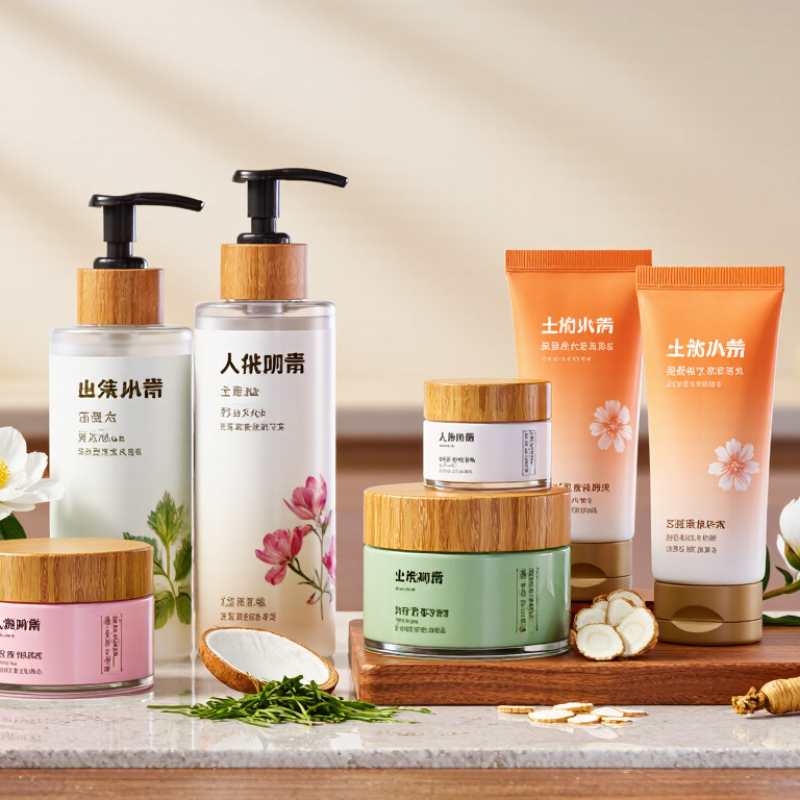
Chinese care and beauty products often pair familiar ingredients with precise formulation. Green tea, ginseng, rice bran, and licorice root appear in contemporary skincare, but tradition alone cannot prove a product works. Extract quality, concentration, and skin compatibility matter. A calming-sounding ingredient can still irritate sensitive skin. That detail is easy to overlook.
Modern methods help make botanical formulas more consistent. Extraction controls can reduce unwanted compounds, while stability testing checks whether a cream separates or changes scent over time. Formulators may also adjust pH and use encapsulation to manage how ingredients disperse. These methods do not guarantee results; independent testing and clear ingredient labels remain important. McKinsey’s 2023 beauty report projected the global beauty market could reach $580 billion by 2027, reflecting strong commercial interest in product innovation. China’s National Bureau of Statistics reported cosmetics retail sales of 414.2 billion yuan in 2023, down 5.1% year on year. Those figures describe market activity, not product quality. The honest challenge is turning traditional inspiration into formulas that are stable, transparent, and suitable for real skin.
How to Choose Products for Different Needs and Skin Types
Choosing care and beauty products from China starts with your skin’s needs, not a trend or attractive packaging. For dry skin, look for moisturizers with ingredients such as glycerin or ceramides. If your skin feels oily, a light, fragrance-free lotion may feel more comfortable. Sensitive skin often benefits from simpler formulas, though no ingredient is guaranteed to suit everyone. Read the full ingredient list, check the product’s intended use, and buy from a seller that provides clear product information.
Think about your climate and routine, too. A rich cream can feel useful in a cold, dry winter but heavy in humid weather. For daily sun protection, choose a broad-spectrum sunscreen with a clearly stated SPF, and apply it according to its directions. Introduce one new product at a time. That makes irritation easier to trace. A tidy routine is not always the right routine; I would rather use two products consistently than layer five without knowing what helps. Stop using a product if it causes persistent burning or swelling, and ask a qualified health professional about ongoing skin concerns.
Tips: Patch-test a small area for several days before wider use. Keep the packaging to check ingredients and instructions. Don’t expect immediate results. Skin can be unpredictable.
What Are the Best Care and Beauty Products from China?
How to Choose Products for Different Needs and Skin Types
How to use this: SPF describes protection against UVB under standardized test conditions. The percentages shown are calculated as 100 × (1 − 1/SPF), so the increase in UVB protection becomes smaller at higher SPF values. For everyday use, choose broad-spectrum SPF 30 or higher and select a texture that suits your skin: lightweight and non-comedogenic for oily skin, moisturizing for dry skin, or fragrance-free if your skin is sensitive. Reapply sunscreen as directed on the product label.
Safety Standards, Labels, and Product Quality Checks
What Are the Best Care and Beauty Products from China?
Safety Standards, Labels, and Product Quality Checks
A good choice starts with clear, verifiable information, not dramatic promises. China produces a wide range of skincare, haircare, and personal-care products, but quality can vary between products and sellers. Check that the packaging lists ingredients, directions, warnings, batch details, and a usable expiry or period-after-opening date. Look for the manufacturer or responsible seller’s contact information. If the label is unclear or appears altered, pause before buying. Product requirements can differ by market, so check the rules where you live.
Packaging matters, but it is not proof of safety. Inspect the seal, print quality, and container for leaks, damage, or inconsistent details. Compare the ingredient list with your own sensitivities, and be cautious of claims that promise instant or guaranteed results. For products used near the eyes or on sensitive skin, a small patch test may help identify irritation, though it cannot rule out every reaction. Keep the receipt and packaging in case you need to ask the seller a question. No check is perfect; even a neat label can leave things uncertain.
Tips: Buy from a seller that provides traceable product details. Check batch and date information before use. Stop using a product if irritation develops, and seek professional advice when symptoms persist.
What Are the Best Care and Beauty Products from China? — Safety Standards, Labels, and Product Quality Checks
Use this checklist to compare product types and review safety information. Regulatory requirements can vary by product category, ingredients, intended use, and whether the product is made in China or imported.
| Product Type | China Regulatory Pathway | Label Details to Check | Useful Quality Checks | Practical Safety Review |
|---|---|---|---|---|
| Facial cleansers | Generally treated as general cosmetics and subject to the applicable filing requirements under China’s cosmetics regulatory framework. | Look for the product name, full ingredient list, net contents, directions, precautions where required, and the filing information applicable to the product. | Review checks for microbial quality, product stability, packaging compatibility, and consistency of appearance, smell, and texture between batches. | Choose a cleanser suited to your skin and use it as directed. Stop use if persistent irritation occurs. |
| Moisturizers and facial creams | Generally general cosmetics; specific claims or ingredients may affect regulatory review and the evidence required. | Check the Chinese-language label for ingredients, net contents, directions, precautions, and the responsible party’s information. | Quality programs may assess stability over time, microbial limits, package sealing, and whether the contents remain compatible with the container. | For sensitive skin, review the full ingredient list and consider a small-area patch test before regular use. |
| Sunscreens | Sunscreens are special cosmetics in China and require registration before marketing under the applicable rules. | Check that the stated sun-protection information and directions are clear, and verify applicable registration information through official records where available. | Relevant checks can include UV protection testing, formula stability, and confirmation that the tested product corresponds to the marketed formulation. | Apply generously and reapply as directed, especially after swimming, sweating, or towel drying. Do not rely on sunscreen alone for sun protection. |
| Hair shampoos and conditioners | Usually general cosmetics, subject to applicable filing and ingredient requirements. | Review the Chinese label for intended use, directions, ingredients, net contents, and any precautions relevant to use near the eyes or on the scalp. | Checks may include microbial quality, stability, packaging integrity, and evaluation of product characteristics such as pH and viscosity. | Use as directed and rinse thoroughly. Discontinue use if the product causes persistent scalp or skin discomfort. |
| Hair dyes and permanent-wave products | Hair dyes and permanent-wave products are special cosmetics in China and require registration under the applicable rules. | Check for clear directions, warnings, ingredient information, and applicable registration details. Follow any required allergy-test instructions on the label. | Review whether safety assessments, stability checks, and product-specific testing have been conducted for the intended use. | Follow the package instructions carefully. Avoid use on irritated or damaged skin, and do not use for purposes not stated on the label. |
| Children’s cosmetics | Subject to the applicable cosmetics rules, including specific requirements for products intended for children. | Check the intended age group, directions, precautions, ingredients, and applicable filing information. The label should make the intended use clear. | Assess whether safety evaluation and quality controls are appropriate for the intended users and normal conditions of use. | Use only as directed and keep products out of children’s reach. Avoid products not clearly intended for the child’s age group. |
| Makeup and lip products | Many makeup products are general cosmetics; classification depends on product type, claims, and applicable rules. | Check the Chinese-language ingredient list, net contents, directions, precautions, and product filing information where applicable. | Useful checks include stability, microbial quality where relevant, packaging integrity, and color or texture consistency. | Do not share eye or lip products. Stop using a product if it changes noticeably in smell, appearance, or texture. |
| Products claiming whitening or freckle removal | Freckle-removing and whitening cosmetics are special cosmetics in China and require registration under the applicable rules. | Check that claims, directions, warnings, ingredients, and applicable registration information are presented clearly on the label. | Consider whether the safety evaluation and evidence for stated claims are appropriate to the product and its intended use. | Be cautious of products making guaranteed or rapid-result claims. Use only according to the label and discontinue if irritation develops. |
How to verify: China’s Cosmetics Supervision and Administration Regulation (CSAR) provides the main regulatory framework. General cosmetics are generally filed, while special cosmetics—including sunscreens, hair dyes, permanent-wave products, freckle-removing and whitening products, and anti-hair-loss products—require registration. Requirements may change; check current National Medical Products Administration (NMPA) information and official registration or filing records for the specific product. A filing or registration record is not, by itself, a guarantee of suitability for every user.
Related Posts
-
China Top 10 Beauty Products Suppliers for Global Buyers
-
How to Source Beauty Products in 2026
-
Why Are Beauty Products in High Demand Worldwide?
-
Who Are the Best Care Of Products Suppliers in China?
-
Essential Guide to Achieving Flawless Skin Beauty Naturally
-
Challenges Facing Global Buyers in Sourcing Beauty Care Products