How to Source Personal Care Products Worldwide?
Sourcing Personal Care Products worldwide is more than comparing prices on a supplier website. It requires practical research, careful communication, and disciplined quality checks. A promising factory may offer attractive packaging and fast production. Yet, its documentation may be incomplete. That gap can become expensive later.
Reliable sourcing begins with clearly defined product requirements. Record the formula type, ingredients, fragrance profile, packaging material, target market, and expected order volume. Request samples from several qualified manufacturers. Examine texture, color, scent, labeling, and container performance under realistic conditions. Ask for current quality certificates, ingredient specifications, safety data, batch records, and traceability procedures. GMP-aligned production practices can provide useful assurance, but certificates should still be verified independently.
Local regulations matter at every destination. Ingredient restrictions, claims, language requirements, labeling rules, and import documents may differ significantly. Work with experienced regulatory specialists when the market is unfamiliar. Supplier audits, video inspections, and third-party laboratory testing can reveal weaknesses that brochures conceal. Keep written records of approvals, revisions, test results, and shipping conditions.
Be cautious with unusually low quotations. They may exclude testing, compliant packaging, or reliable after-sales support. A supplier who answers slowly may also create problems during a recall or formula change. No sourcing plan is flawless. I have learned that early assumptions often need revision after sampling and testing. Build time for corrections, negotiate clear quality terms, and maintain a backup supplier. Trust should grow from evidence, not promises. This approach supports safer purchasing decisions and more dependable long-term partnerships.
Defining Global Personal Care Product Sourcing
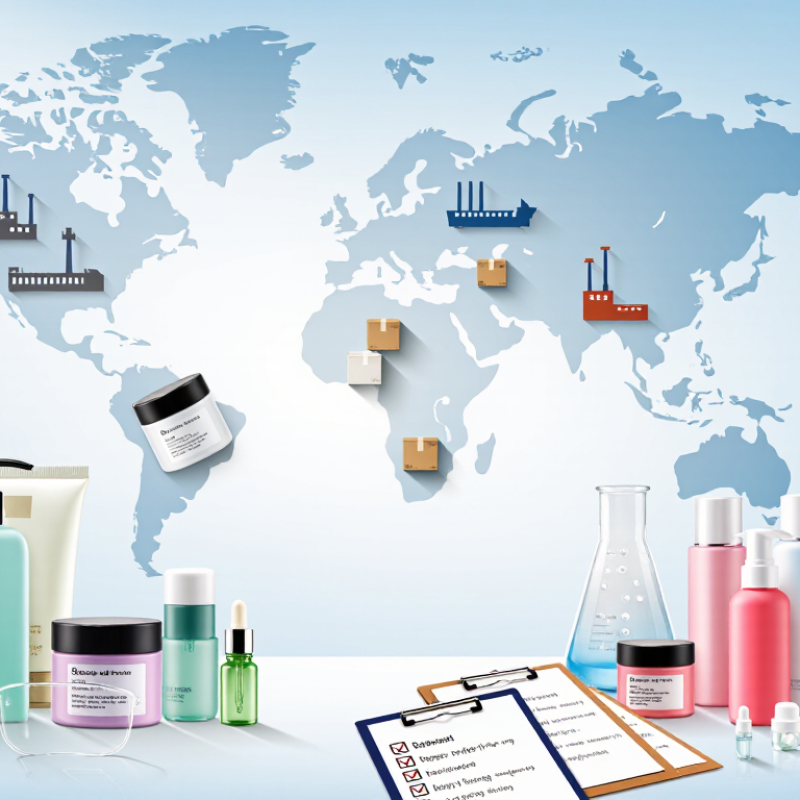
Global personal care product sourcing means more than finding a low-cost supplier overseas. It is the controlled process of locating, evaluating, and managing suppliers across different markets. The work includes ingredient selection, packaging development, sample approval, quality testing, production monitoring, and delivery planning. A reliable sourcing program begins with a clear product brief. It should define texture, fragrance, packaging size, target users, storage conditions, and acceptable quality limits.
Local knowledge matters. Regulations, labeling rules, testing expectations, and documentation can vary widely between countries. A responsible buyer checks ingredient records, manufacturing procedures, safety data, and traceability documents before placing an order. Factory audits can reveal practical details, such as dusty filling areas, weak batch records, or poor temperature control. Independent laboratory testing adds another layer of confidence. It cannot replace supplier oversight. It supports it.
Cost is only one part of the decision. Payment terms, minimum order quantities, shipping routes, currency changes, and contingency plans also shape the final result. A spreadsheet may look complete while hiding communication delays or inconsistent samples. That is a real weakness. Supplier performance should be reviewed after each shipment, using measurable records for defects, delays, complaints, and corrective actions. Human judgment still matters, but it should be supported by evidence. Sometimes, a smaller supplier with transparent processes is safer than a larger one with unclear answers. Good sourcing remains a working process, not a one-time purchase.
Identifying Product Categories, Standards, and Target Markets
How to Source Personal Care Products Worldwide?
A reliable sourcing plan begins with clear product categories. Skincare may include cleansers, moisturizers, masks, and sunscreens. Haircare covers shampoos, conditioners, treatments, and styling products. Bath and body items require different textures, fragrances, and packaging controls. Oral care needs especially careful ingredient and safety reviews.
Standards must match the intended market, not only the factory’s location. Request complete ingredient lists using recognized naming systems. Check safety assessments, stability results, microbial testing, and production records. Suppliers should demonstrate suitable cosmetic manufacturing practices, such as ISO 22716-based controls. Review packaging materials too. A leaking pump can damage an otherwise safe formula. Claims need evidence, especially words such as “hypoallergenic” or “natural.” Some claims sound harmless but create regulatory problems.
Target customers also shape the formula and format. A humid market may prefer lightweight textures and airless packaging. Cold regions may need richer creams and stronger containers. Local language rules, labeling details, import procedures, and product notifications require early review. I have seen sourcing teams choose a popular formula before checking regional restrictions. That mistake is expensive. Start with samples, then run a small pilot order. Ask for batch consistency, lead times, testing costs, and corrective-action procedures. Do not rely on polished factory photos. An on-site audit or independent inspection may reveal storage weaknesses. Even careful plans need revision when testing exposes unexpected odor, separation, or package leakage.
How to Source Personal Care Products Worldwide?
Identifying product categories, regulatory standards, and target markets is essential when sourcing skincare, haircare, oral care, and sun-care products internationally.
How to read this chart: Population size can help prioritize target markets, but sourcing decisions should also consider product-category demand, import rules, labeling requirements, ingredient restrictions, safety documentation, and local product notification or registration procedures.
Common regulatory references include Regulation (EC) No 1223/2009 for the European Union, the Federal Food, Drug, and Cosmetic Act for the United States, the Cosmetic Supervision and Administration Regulation for China, the ASEAN Cosmetic Directive, and Japan’s Pharmaceutical and Medical Devices Act. Population figures are 2024 estimates from the United Nations World Population Prospects 2024.
Finding and Evaluating International Personal Care Suppliers
How to Source Personal Care Products Worldwide?
Finding reliable international personal care suppliers requires more than comparing unit prices. Begin with the product category, target market, and required quality standards. A supplier should provide complete ingredient lists, technical specifications, safety data, and recent certificates. Check whether documents match the actual factory address and product batch.
During supplier evaluations, request samples from different production lots. Compare texture, scent, color, packaging, and stability after heat and cold exposure. Ask about water quality, contamination controls, allergen management, and microbial testing. A remote audit can help, but an on-site inspection reveals details that paperwork may hide. Look for clean storage areas, labeled raw materials, calibrated equipment, and traceable production records.
Ask practical questions about minimum order quantities, lead times, payment terms, packaging options, and export experience. Confirm how the supplier handles complaints and product recalls. Their answer often matters more than a polished presentation. A strong supplier welcomes reasonable questions and shares limitations openly. No scorecard is perfect. I would reassess it after pilot production, because communication can change under pressure. One missed detail may affect thousands of units. Keep approval records, test results, signed specifications, and sample references in one controlled file. This habit supports consistent decisions across countries and reduces avoidable surprises.
Managing Samples, Pricing, Minimum Orders, and Contracts
Sourcing personal care products worldwide starts with controlled samples, not attractive catalog photos. Request the exact formula, packaging type, fill volume, batch code format, and stability data. Ask for two or three samples from different production lots when possible. Test texture, scent, color, leakage, and label accuracy under normal handling. Keep records. My first sample review missed a pump defect because I tested it only once. That small oversight delayed a launch and weakened my price comparison.
Pricing should separate product cost from tooling, packaging, testing, freight, insurance, and payment fees. Request tiered quotes at 500, 1,000, and 5,000 units. Compare landed cost, not the factory price alone. Clarify whether quoted prices include formula adjustments, artwork changes, cartons, and replacement units. Minimum orders often depend on raw material purchases or custom packaging. A lower MOQ may carry a higher unit price. That trade-off can protect cash flow, but it may reduce margin.
Contracts should define specifications, approved samples, lead times, inspection rights, payment stages, and remedies for defects. Include rules for confidential formulas, artwork ownership, change notifications, and document retention. Use an independent inspection before final payment, especially for the first production run. Confirm each market’s labeling, claims, safety, and import requirements with qualified local professionals. Written terms reduce arguments, but they cannot replace careful supplier verification. I still leave contingency time for customs questions and rejected packaging. Small details matter.
Coordinating Compliance, Quality Control, and Global Logistics
Sourcing personal care products worldwide demands more than finding a low factory price.
McKinsey’s 2023 beauty market report estimated global beauty sales near 580 billion US dollars, with annual growth of about 6% through 2027. That expansion increases regulatory exposure. Each formula needs an ingredient review, product safety assessment, claims check, and market-specific file. ISO 22716 provides a practical framework for cosmetic good manufacturing practices. Suppliers should also provide batch records, allergen statements, stability results, and traceable raw-material documents.
Quality control must continue after approval.
A pre-shipment sample is useful, but it cannot represent every production batch. Define testing limits for appearance, odor, viscosity, microbiology, packaging torque, and fill volume. Keep sealed reference samples. Independent laboratories can verify higher-risk products. This costs more, sometimes painfully. Yet weak sampling can create larger costs through recalls, destroyed inventory, or customs holds. A passed laboratory report is not proof of perfect production.
Global logistics adds another layer.
UNCTAD’s Review of Maritime Transport reports that ships carry over 80% of world merchandise trade by volume. Ocean freight remains efficient, but port delays, temperature changes, moisture, and damaged cartons can affect product quality. Use humidity indicators, pallet-level barcodes, and documented loading photographs. The World Bank’s 2023 Logistics Performance Index covers 139 economies and shows wide differences in customs, infrastructure, and shipment reliability. Build buffer stock accordingly. Forecasts still fail. That is normal. The better response is transparent tracking, supplier audits, and a corrective-action process with named owners.
Related Posts
-
What Are the Top 10 Personal Care Products from China?
-
Who Are the Best Care Of Products Suppliers in China?
-
How to Choose the Best Skin Care Line for Your Business?
-
Top Care Of Products Suppliers How To Choose?
-
Unique Examples of Innovative Skin Care Products Transforming Beauty Routines
-
Navigating Global Standards in Beauty Care: Challenges and Innovations for Today’s Suppliers