How to Source Beauty Products in 2026
Sourcing Beauty Products in 2026 means looking beyond attractive packaging and a low unit price. Buyers must assess ingredient quality, supplier consistency, documentation, and the product’s fit with real customer needs. A sample may look perfect under showroom lights, yet feel sticky after a full day of wear. Details matter.
Beauty entrepreneur Estée Lauder once said, “I didn’t get there by wishing for it or hoping for it, but by working for it.” That work begins with careful questions: Can the supplier trace each batch? Are ingredient lists and product claims supported by reliable records? Can the manufacturer maintain quality when order volumes rise? Ask for current documentation, review samples under everyday conditions, and compare quoted lead times with actual production capacity. Small checks can prevent expensive surprises.
In 2026, responsible sourcing also means weighing packaging, transport, and supplier transparency alongside price. A recyclable jar is not a meaningful improvement if customers cannot easily use or dispose of it. Neither is a polished sustainability claim without evidence. Build a shortlist, verify details directly, and record why each supplier meets your standards. Recheck those assumptions over time. Suppliers change, and so do customer expectations.
There is no perfect checklist. I might still overvalue a neat sample or underestimate a delay. That is worth admitting. A dependable Beauty Products sourcing process combines evidence, hands-on testing, and regular review—before a promising product reaches the shelf.
Define Your Beauty Product and Target Market Requirements
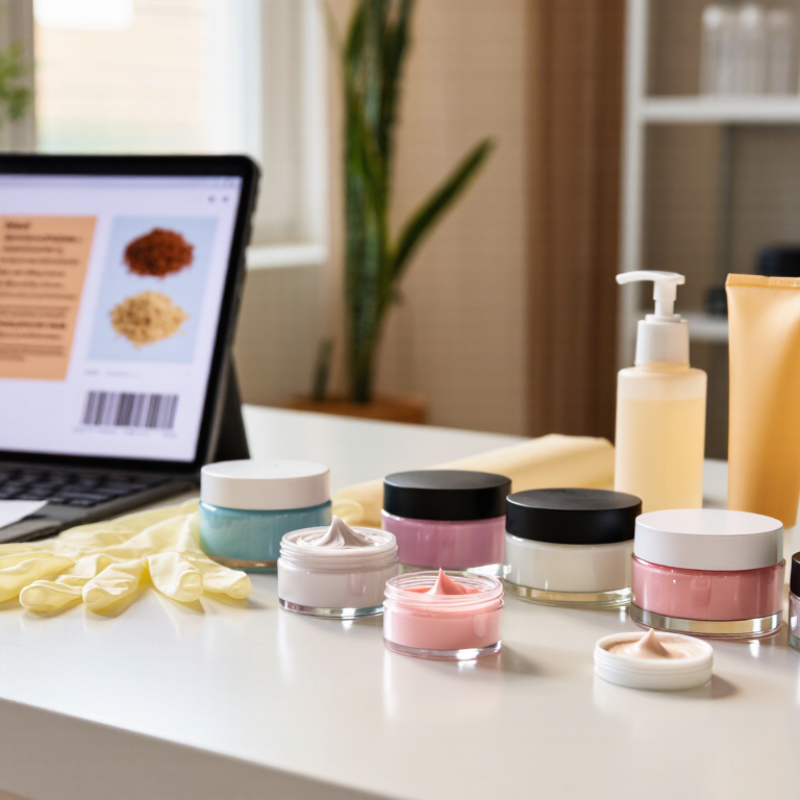
Before contacting suppliers, define the product in measurable terms: format, intended user, key benefit, texture, scent, pack size, and target cost. “Gentle moisturizer” is too vague. Specify whether it should absorb quickly, leave a dewy finish, and suit dry or combination skin. Set boundaries for ingredient preferences and claims, then ask suppliers for samples, full ingredient lists, test documentation, and minimum order quantities. Keep a written scorecard. It makes supplier comparisons less subjective.
Market requirements need equal care. McKinsey’s State of Beauty 2023 estimated that the global beauty market could reach $580 billion by 2027, with about 6 percent annual growth. That broad forecast is not proof that a particular product will sell. Narrow the audience by age range, skin concerns, shopping channel, and price tolerance. Circana reported that U.S. prestige beauty sales rose 7 percent to $33.9 billion in 2024, but that segment’s performance may not reflect mass-market demand or other countries. Test assumptions with buyer interviews and small sample evaluations. Ask what people would actually pay, not only what they like. A spreadsheet can look precise and still miss real buying habits. I have seen teams define a beautiful concept before defining its customer; the rework can be costly.
Identify and Compare Qualified Beauty Product Suppliers
Beauty sourcing in 2026 depends on comparing suppliers with the same clear criteria. Start with the product brief: format, ingredients, packaging, target market, order volume, and delivery window. Ask each supplier for current product specifications, ingredient lists, safety documentation, and relevant quality certifications. Check that documents identify the actual manufacturing site, not just a trading office. Ask for evidence.
Compare samples under consistent conditions. Note texture, scent, spread, packaging quality, and how the product behaves after opening. Record the batch number and sample date so feedback stays tied to a specific version. A polished sample is useful, but it cannot prove that future production will match. Request production samples or batch records where appropriate, and clarify how changes to ingredients or packaging are communicated.
Then assess reliability, not just price. Ask about minimum order quantities, lead times, quality checks, complaint handling, and what happens when a shipment is delayed. Verify claims through documents and independent checks when practical; avoid relying on a supplier’s presentation alone. A comparison sheet helps, but it can hide important differences, such as testing scope or response speed. Be honest about uncertainty. If an answer is vague, ask for a written clarification before committing.
How to Source Beauty Products in 2026: Compare Supplier Qualification Criteria
Illustrative supplier-evaluation scores on a 1–5 scale—not supplier-specific data or industry averages.
Compare suppliers using documented evidence for regulatory compliance, quality systems, product safety, traceability, production capacity, and minimum order quantity and lead time. Verify requirements for each product and destination market before placing an order.
Verify Supplier Credentials, Compliance, and 2026 Regulations
In 2026, source beauty products by checking evidence, not just a polished catalog. Request the manufacturer’s legal name, production-site address, quality certificates, and regulatory contact. Verify each certificate with its issuer and confirm it covers the actual production site. A clean PDF is not proof. When risk or order size warrants it, arrange an independent audit. Review batch records, sanitation logs, complaint handling, and change-control procedures.
For EU sales, confirm a qualified Responsible Person, a Product Information File, a Cosmetic Product Safety Report, and CPNP notification before products enter the market. Check ingredient restrictions and expanded fragrance-allergen labeling rules, which apply to products newly placed on the EU market from 1 August 2026. In the United States, MoCRA requires facility registration and product listing, with applicable renewals and updates. Serious adverse events must be reported to the FDA within 15 business days. Requirements vary by market.
Ask for lot-specific certificates of analysis, ingredient specifications, stability data, and traceability from raw materials to finished batches. Check each lot. Cosmetics Europe’s 2024 market report valued European cosmetics retail sales at €104 billion in 2023, underscoring the scale behind routine verification. Yet paperwork may not show what happens during a production shift. Compare a sample with its specification, retain a sealed reference unit, and record who approved each deviation. A questionnaire alone is not an audit.
Assess Samples, Ingredients, Quality, and Production Capacity
A polished sample can hide problems that appear after repeated use. Test each item under realistic conditions: open and close the package, apply it at the usual amount, and note texture, scent, spread, and wear. Keep the notes. Compare samples from different production batches when possible, since one excellent unit does not prove consistency. A small detail, like a loose cap, may matter more than a smooth first impression.
Review the full ingredient list alongside product specifications and available safety documentation. Check that names, concentrations where disclosed, and product claims match across documents. Ask suppliers to explain unfamiliar ingredients rather than relying on a quick online search. For specialized safety or labeling questions, get advice from a qualified professional. Paperwork can be incomplete. That is worth noticing.
Quality checks should be repeatable, not just visual. Agree on measurable criteria, such as fill volume, color range, seal integrity, and acceptable defect rates. Then ask how results are recorded and how failed units are handled. Production capacity needs the same scrutiny: confirm actual output, staffing, equipment, lead times, and peak-season limits. A site visit or live walkthrough can reveal crowded work areas or idle machinery, though neither tells the whole story. I would not treat a confident sales estimate as proof; request recent production records and a realistic schedule before committing.
Negotiate Sourcing Terms and Plan Ongoing Quality Control
Sourcing terms should protect both margin and product consistency. McKinsey’s 2023 beauty-market analysis projected the global market could reach about $580 billion by 2027. That growth can tighten competition for capable manufacturers and packaging suppliers. Put the practical details in the contract: minimum order quantities, price-review triggers, production lead times, payment milestones, and remedies for missed deliveries. Ask suppliers to disclose subcontractors and obtain written approval before changing a formula, raw-material source, or production site. Small changes matter.
Quality control needs its own schedule, not a vague promise to meet specifications. ISO 22716 provides cosmetics good manufacturing practice guidance; use it to shape supplier qualification, production records, and complaint handling. Agree on measurable checks, such as batch identity, fill weight, packaging appearance, and microbiological limits where relevant. Define sampling plans and acceptable defect levels before the first production run. Require batch records and certificates of analysis, then keep sealed retention samples for comparison if a complaint arises. Audit riskier suppliers more often, and review corrective actions with dates and named owners. Keep the evidence. A spreadsheet can help, though spreadsheets do not catch every problem. Recheck performance after each launch, because a smooth pilot run is not proof that every future batch will match.
Related Posts
-
China Top 10 Beauty Products Suppliers for Global Buyers
-

Resilient Growth in Chinese Beauty Care Products Amidst U.S.-China Tariff Challenges
-
Solutions for Optimal Use of Best Care Products
-
“Unlocking Global Markets: The Role of Export Certification in Best Care and Beauty Products”
-
Mastering Your Skincare Routine: A Beginner’s Guide to Beauty and Personal Care Essentials
-

Top 10 Beauty Care Tips for Glowing Skin Secrets?