Why Are Beauty Products in High Demand Worldwide?
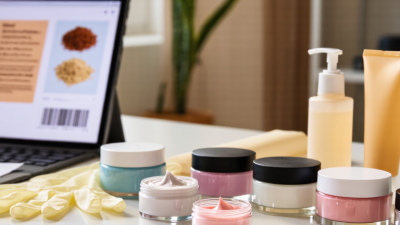
Beauty Products have moved far beyond occasional cosmetics purchases. Consumers now buy skincare, haircare, makeup, and fragrance as parts of everyday routines. A cleanser beside the bathroom sink, a sunscreen in a work bag, or a hair serum on a dressing table makes the market tangible. These small, repeated purchases help explain why demand remains strong across regions and age groups.
The scale is substantial. McKinsey & Company and The Business of Fashion estimated that the global beauty market generated about $430 billion in 2022 and could reach $580 billion by 2027, with roughly 6 percent annual growth. Their 2023 report, “The beauty market in 2023,” points to ongoing innovation and changing consumer behavior as important forces. E-commerce and social platforms also make product discovery faster, though visibility does not always mean a product suits every buyer. That distinction matters.
L’Oréal CEO Nicolas Hieronimus has described beauty as “a powerful force in the world.” His view reflects an industry shaped not only by appearance, but also by identity, confidence, and personal habits. Still, demand is not automatic. Buyers compare ingredients, prices, reviews, and packaging, and they may question exaggerated promises. That scrutiny is healthy. Understanding these commercial, social, and practical drivers offers a clearer answer to why Beauty Products remain in high demand worldwide.
What Beauty Products Include and How the Market Is Defined
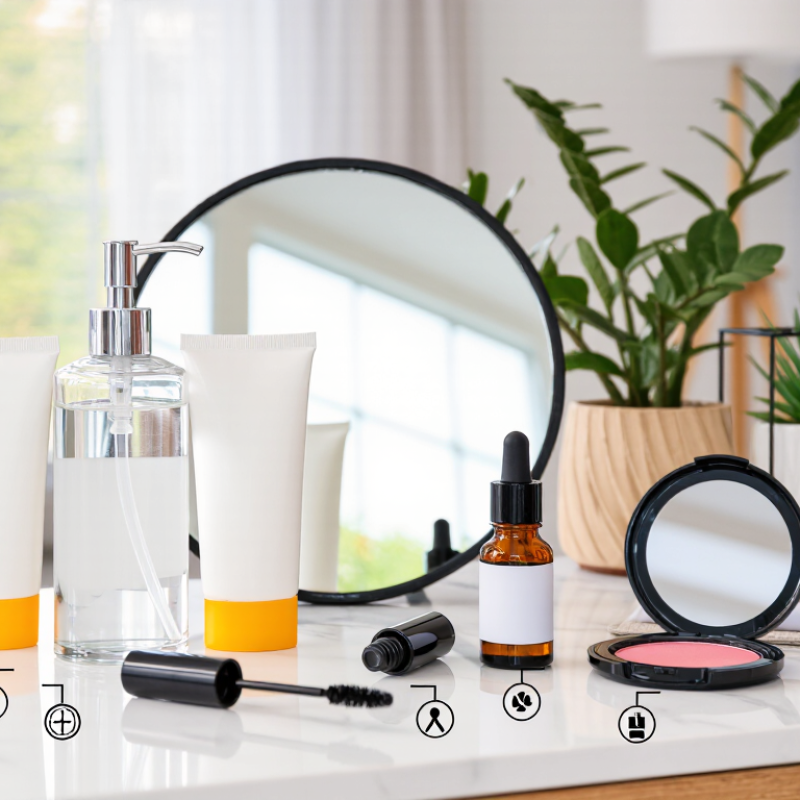
Beauty products extend well beyond makeup. The category usually covers skin care, colour cosmetics, hair care, fragrance, and bath-and-body products. Some reports also include deodorants, shaving products, and other personal-care essentials. Small things count. Definitions shift by report.
That difference matters when comparing sales figures. A facial serum and shampoo may appear in separate segments, yet both can enter a broader beauty-and-personal-care total. McKinsey’s 2023 beauty-market analysis estimated the global market at about $430 billion. It projected roughly 6% annual growth through 2027, reaching $580 billion. These are estimates, not shelf-by-shelf counts.
Shoppers encounter these categories in ordinary routines: cleanser beside moisturizer, shampoo in the shower, fragrance on a dressing table. Analysts, however, classify products by use, sales channel, or reporting framework. Products with similar purposes may therefore appear in different categories across databases. The boundary is not perfectly tidy. Check each report’s definitions before comparing market totals; even careful datasets leave some grey areas.
Why Are Beauty Products in High Demand Worldwide?
The global beauty market includes skincare, makeup, haircare, and fragrance. Its projected growth reflects broad consumer demand for personal care and beauty products worldwide.
Source: McKinsey & Company, 2023. 2027 figure is a forecast.
Personal Care, Appearance, and Other Consumer Motivations
Beauty demand reflects ordinary needs as much as self-expression. A bottle of moisturizer beside the sink, sunscreen in a work bag, or concealer before a video call makes personal care part of daily life. These products can help people feel comfortable in their skin and present themselves as they choose. The market’s scale is substantial: McKinsey’s 2023 beauty industry report estimated global sales at about $430 billion in 2022, with a possible rise to $580 billion by 2027. That projection signals broad demand, though it does not explain every shopper’s reasons.
Well-being is another motivation. In McKinsey’s 2024 Future of Wellness survey, 56% of U.S. respondents called wellness a top priority. Skincare and grooming can fit into that wider interest through routines that feel calming, practical, or personally meaningful. Small rituals matter. Still, appearance pressures can make a routine feel less like care and more like a daily test. A serum cannot solve every concern, and consumer surveys cannot capture every cultural or personal difference. People may buy the same face cream for comfort, dry weather, confidence, or simply because it is already familiar. Their motives are rarely as tidy as a product label suggests.
Cultural, Social, and Economic Factors Driving Global Demand
Beauty products meet more than practical needs. In many cultures, skincare, fragrance, and cosmetics connect with identity, care, and ideas of presentation. A morning routine may include a familiar scent or a moisturizer chosen for dry weather. These small rituals can carry personal meaning. Yet beauty standards differ widely, even within the same community.
Social platforms make routines and looks visible across borders. A short tutorial can introduce a product type, while friends’ recommendations may feel more trustworthy than polished advertising. Economic conditions also shape demand. As incomes rise, some consumers can explore more options; affordable items can still offer an accessible way to experiment. Online shopping broadens choice, though shipping costs and confusing product claims can limit access. Trends move quickly. Not every popular routine suits every skin type, budget, or climate, and that is easy to overlook.
Tips: Check ingredient lists and patch-test unfamiliar products. Choose items for your own needs, not just a trending routine. Set a realistic budget, and give a product time before deciding whether it works.
How Innovation and Retail Access Expand the Market
Innovation is changing how shoppers assess beauty products. Ingredient lists are easier to compare, while digital tools can help people find products suited to their needs. Some retailers also offer skin consultations and sample sizes, making trial less costly. Small details matter.
McKinsey’s 2023 beauty-industry report projected the global market would reach about $580 billion by 2027, growing roughly 6% annually. Wider access helps support that growth: online shops, pharmacies, and local stores let shoppers browse at different times and price points. Circana reported that U.S. prestige beauty sales rose 7% in 2024, reaching $33.9 billion. That is tangible, though one national market cannot explain worldwide demand.
Retail access is not simply a matter of adding more checkout links. Clear product information, reliable delivery, and knowledgeable staff can shape whether shoppers return. Digital recommendations can also feel confident while missing personal context. I would not treat convenience as proof of suitability. The market still has work to do on making advice understandable and useful across different skin needs, budgets, and levels of product knowledge.
Regional Differences and Emerging Consumer Trends
Beauty routines vary with weather, water, work patterns, and local ideas of appearance. In humid Southeast Asian cities, lightweight textures can feel practical. In colder regions, richer creams may suit dry indoor air and wind. These are tendencies, not rules; income, age, and skin sensitivity can matter more than geography. A product that works well on one face may feel heavy on another. Small details matter.
Across many markets, shoppers are asking more pointed questions about ingredients, irritation, and evidence behind claims. They may compare labels in a pharmacy aisle or check advice on a phone before buying. Interest in fragrance-free options and simpler routines is growing, though “clean” has no single agreed meaning. That ambiguity deserves more honesty from sellers. Patch-testing new products can help, while persistent reactions warrant advice from a qualified health professional.
Another shift is personalization without endless steps. Sunscreen, gentle cleansers, and products serving multiple needs appeal to people with limited time. Refill packaging and locally adapted shades also attract attention, but availability and affordability remain uneven. Digital skin analysis can be convenient, yet lighting and camera settings may distort results. In practice, routine advice can sound confident while missing real differences. That gap is worth noticing.
Why Are Beauty Products in High Demand Worldwide? - Regional Differences and Emerging Consumer Trends
| Market / Dimension | Observed Demand Pattern | Factors Supporting Demand | Emerging Consumer Trend | Evidence or Context |
|---|---|---|---|---|
| Global drivers | Beauty products span everyday personal care, skin care, hair care, color cosmetics, and fragrance, creating demand across different ages and routines. | Wider retail and online access; product innovation; social-media discovery; and consumers’ interest in appearance, self-expression, and personal care. | More interest in ingredient information, products for specific concerns, and convenient purchasing through digital channels. | These are broad qualitative patterns, not a ranking of market size or a claim that every consumer behaves alike. |
| North America | Skin care, hair care, makeup, and personal-care products are established parts of a broad retail market. | Extensive online and physical retail, frequent product launches, and high visibility of beauty content and reviews. | Consumers increasingly look for clear product information, inclusive shade ranges, and routines tailored to skin or hair concerns. | In the United States, the 2022 Modernization of Cosmetics Regulation Act expanded federal oversight of cosmetics, including requirements related to facility registration and product listing. |
| Europe | Demand includes skin care, fragrance, hair care, and makeup, with consumer preferences varying considerably between countries. | Established specialty retail, strong product-choice awareness, and attention to product safety and environmental claims. | Interest in refillable packaging, simpler routines, and substantiated claims about ingredients and sustainability. | Cosmetics placed on the EU market are subject to the EU Cosmetics Regulation (EC) No 1223/2009, which sets safety and labeling requirements. |
| East Asia | Skin care and sun-protection products are prominent categories, alongside makeup and hair care; preferences differ across markets. | Multi-step routines, strong beauty retail, product experimentation, and fast-moving online discovery contribute to category visibility. | Growing attention to lightweight textures, targeted skin-care routines, and products designed for particular climates or skin concerns. | In mainland China, the Cosmetics Supervision and Administration Regulation distinguishes between registration for special cosmetics and filing for general cosmetics. |
| South Asia | Hair care, skin care, color cosmetics, and traditional personal-care products serve a large range of needs and price points. | A broad consumer base, varied climates, expanding online access, and demand for products suited to local hair and skin needs. | Consumers encounter both traditional ingredient-led positioning and modern products focused on specific concerns; preferences are diverse within the region. | Regional demand should not be treated as uniform: income, climate, language, and cultural practices differ substantially among and within countries. |
| Middle East | Fragrance, skin care, hair care, and makeup are important categories, with preferences varying by country and consumer group. | Climate-related personal-care needs, gifting occasions, and interest in both local and international product styles support category breadth. | In some markets, shoppers seek halal-certified products and ingredient transparency; certification expectations are not the same across the region. | The region includes diverse national regulations and cultural preferences, so a single regional profile can obscure important local differences. |
| Latin America | Hair care, skin care, fragrance, and color cosmetics contribute to a varied beauty market across the region. | Diverse hair textures and skin tones, warm climates in many areas, and strong interest in personal presentation shape product needs. | More attention to products for textured hair, broader shade choices, and accessible options across different budgets. | Country-level income, climate, retail access, and consumer preferences vary; regional averages should be interpreted cautiously. |
| Africa | Demand covers skin care, hair care, fragrance, and cosmetics, with substantial differences between countries and consumer groups. | Products suited to local climates and hair needs, urban retail growth, and expanding digital access can support wider product discovery. | Interest in products designed for textured hair and a wider range of skin tones, alongside convenient and affordable formats. | Africa is not a single consumer market: purchasing power, retail infrastructure, and beauty routines differ widely across the continent. |
| Cross-market trend: sun protection | Sun-protection products are used for protection from ultraviolet radiation and are increasingly incorporated into daily skin-care routines in many markets. | Public-health guidance on reducing UV exposure has helped make sun protection a recognized skin-health need. | Demand for wearable textures and products that fit easily into everyday routines. | The World Health Organization identifies ultraviolet radiation as a health risk and recommends protective measures, including sunscreen as one part of sun protection. |
Note: Regional descriptions are qualitative summaries of commonly observed category and consumer patterns, not market-share estimates. Preferences differ within every region.
Related Posts
-
How to Source Beauty Products in 2026
-
China Top 10 Beauty Products Suppliers for Global Buyers
-
Mastering Your Skincare Routine: A Beginner’s Guide to Beauty and Personal Care Essentials
-
Top 10 Beauty Care Tips for Glowing Skin Secrets?
-
Exploring the Advantages of Personal Products for Everyday Convenience
-
Innovative Beauty And Personal Care Products Transforming Global Market Trends