
China Top Skin Products Manufacturers for Global Buyers
The global beauty industry is entering a more demanding phase. McKinsey’s The State of Fashion: Beauty 2023 report projects the market could reach about $580 billion by 2027. Skin care may represent roughly 40% of that value. These figures explain buyer interest in China’s Skin Products manufacturing sector. Demand is strong. However, scale alone does not prove reliability.
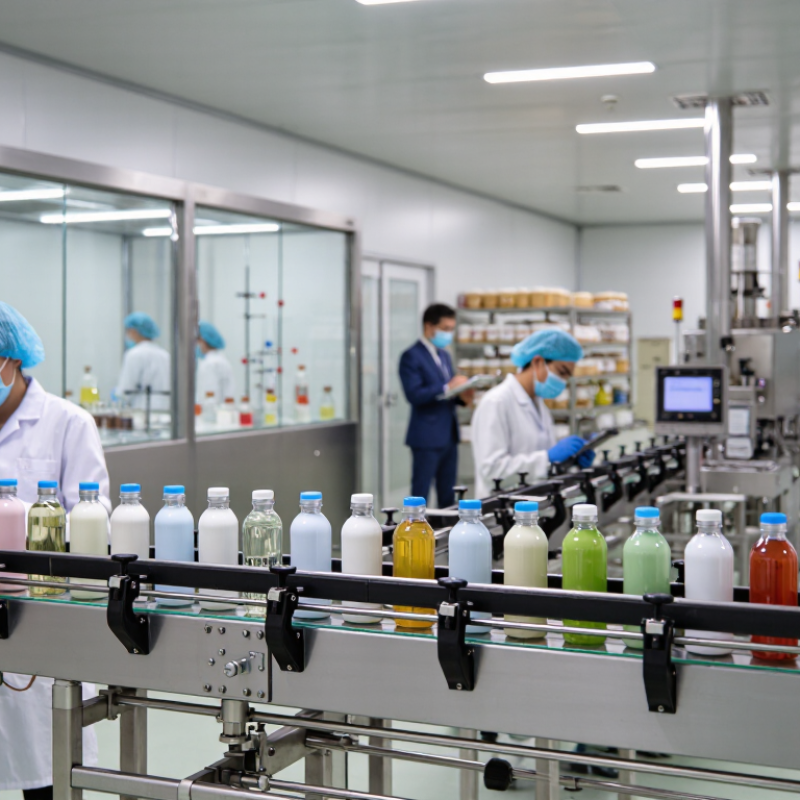
China offers mature supply chains for facial cleansers, serums, creams, masks, and sun-care formulas. Leading manufacturers often combine formulation laboratories, automated filling lines, and private-label development teams. A factory floor should show more than polished packaging. Buyers need batch records, ingredient specifications, stability testing, microbiological results, and traceable production dates. ISO 22716-based cosmetic GMP practices can provide a useful quality benchmark, although certification claims require independent verification.
Regulatory fit matters equally. Exporters should understand the destination market’s ingredient restrictions, labeling rules, product claims, and safety documentation. China’s National Medical Products Administration provides a regulatory framework for domestic cosmetics, while overseas buyers may also need EU, U.S., UK, or ASEAN requirements. The details differ.
No supplier ranking is permanently accurate. Product quality can change after a new raw-material source, formula adjustment, or ownership change. Therefore, this guide evaluates China’s top Skin Products manufacturers through practical criteria: technical capability, compliance systems, customization depth, production consistency, communication, and export experience. Samples still matter. A smooth sales call cannot replace a retained sample, factory audit, or third-party test. That is the uncomfortable part of sourcing, but it protects long-term brand trust.
China’s Skin Products Manufacturing Industry and Global Market Role
China’s skin products manufacturing industry has become a major link in the global beauty supply chain. Its role extends beyond low-cost production. Many factories now combine formulation laboratories, automated filling lines, and export documentation teams. This structure helps global buyers develop cleansers, creams, masks, and serums at different price levels.
A typical facility may test viscosity, color, odor, microbial safety, and packaging compatibility before shipment. Product developers can adjust textures for humid Southeast Asian markets or dry northern climates. They also work with plant extracts, gentle acids, and barrier-supporting ingredients within destination-market rules. Experienced buyers usually request stability data, ingredient specifications, batch records, and samples from production runs. Clear evidence matters more than polished sales language.
China’s manufacturers also support smaller importers through flexible order quantities and customized packaging. However, the industry is not flawless. Some suppliers still rely on incomplete documentation or inconsistent quality controls. That weakness can create delays, relabeling costs, or rejected shipments. Buyers should verify factory capacity, audit production areas, and confirm testing through qualified laboratories. Requirements differ across markets, including labeling, claims, safety assessments, and responsible-person obligations. A practical partnership needs written specifications, traceable materials, and regular communication. Small details matter. A cap that leaks after temperature changes can damage an entire shipment. Manufacturers continue improving, but buyers should review every claim carefully and leave room for corrective action.
Key Product Categories Offered by Chinese Skin Care Manufacturers
Chinese skin care manufacturers offer global buyers a broad range of practical product categories. Facial cleansers include gel, foam, cream, and oil textures for different skin needs. Toners and essences add lightweight hydration after washing. Serums often target dryness, uneven tone, or visible signs of aging. Moisturizers range from water gels to richer barrier creams.
Sun care remains a major category, with lotions, fluid emulsions, and stick formats. Buyers should review tested protection claims carefully. Sheet masks, clay masks, sleeping masks, and eye patches support treatment-focused collections. Body lotions, hand creams, scalp products, and lip care can extend a complete personal care line. Packaging options include pumps, droppers, tubes, jars, and single-use sachets.
Experienced buyers usually request samples before discussing large production volumes. Texture, scent strength, absorption, and packaging performance can change during scale-up. They should examine ingredient lists, stability data, microbial results, and certificates of analysis. Manufacturing systems may follow recognized quality standards, but documentation still requires independent review. Formula suitability also depends on each destination market’s labeling and cosmetic requirements. A product may perform well in a factory test yet feel unsuitable in a humid retail environment. That is an easy detail to overlook. Clear specifications, batch records, and communication with technical teams make product development more reliable. Yet no supplier relationship removes the need for buyer testing.
How to Evaluate China-Based Skin Products Suppliers
China Top Skin Products Manufacturers for Global Buyers
How to Evaluate China-Based Skin Products Suppliers
A reliable supplier should provide more than attractive product photos. Request a complete ingredient list, product specifications, batch records, and recent quality certificates. Check whether the documents match the actual factory address. A polished website proves little. Ask for samples from a normal production batch, not only a specially prepared sample. Examine texture, scent, color, packaging seals, and printed batch codes.
Visit the facility when possible, either personally or through an independent auditor. Look for clean filling areas, labeled raw materials, temperature records, and controlled storage. Ask how the supplier handles microbial testing, stability testing, complaints, and product recalls. Their answers should be specific, with names, dates, and supporting records. Confirm that formulas and labels meet the regulations of your destination market. A certificate alone does not guarantee compliance.
Communication also reveals operational maturity. Test response times with practical questions about minimum order quantities, lead times, packaging changes, and shipping documents. Reliable teams explain limitations instead of promising everything. I have found that small details matter, such as a missing carton count or unclear expiry format. These issues may seem minor, but they can delay customs clearance or confuse customers. Do not ignore your own assumptions. Recheck every specification before signing a purchase agreement.
Manufacturing Standards, Certifications, and Quality Control
China’s leading skin product manufacturers should prove quality through documented systems, not polished factory tours. ISO’s 2022 Survey reported 1,265,216 ISO 9001 certificates worldwide, showing how widely structured quality management is used. Yet certification alone is not proof of every batch.
A reliable facility usually aligns production with ISO 22716 cosmetic Good Manufacturing Practices. Buyers should inspect cleanroom zoning, calibrated filling equipment, and controlled water systems. Each raw material needs supplier approval, identity testing, and traceable lot records. Finished products should undergo checks for appearance, viscosity, pH, microbial limits, and packaging compatibility. Stability testing also matters, especially when products travel through hot, humid markets.
Small details reveal real experience. Ask for retained samples from previous production lots. Review deviation reports, corrective actions, and recall procedures. An independent laboratory report can strengthen confidence, but it should match the exact formula and batch number. The OECD’s Good Laboratory Practice principles emphasize documented methods, trained personnel, and data integrity. That standard is useful when evaluating safety or stability evidence.
Some suppliers still present incomplete records. This deserves careful reflection. A factory may pass an audit while routine line discipline remains inconsistent. Global buyers should compare audit findings with shipment history, complaint rates, and inspection results. Quality control is not a certificate on the wall. It is repeatable evidence, recorded from incoming materials to sealed cartons.
Importing Skin Products from China for International Markets
China Top Skin Products Manufacturers for Global Buyers
Importing skin products from China requires more than comparing factory quotations. McKinsey’s 2023 beauty report projects the global beauty market may reach about 580 billion US dollars by 2027. Skincare remains a major growth engine. However, demand does not guarantee a compliant shipment.
A reliable supplier should work under ISO 22716 cosmetic good manufacturing practices. Buyers also need market-specific checks. For European sales, Regulation (EC) No. 1223/2009 requires a safety assessment, product information file, and responsible person. US shipments require attention to the Modernization of Cosmetics Regulation Act and facility obligations.
Claims such as “repairs skin” or “removes wrinkles” need credible evidence, not attractive packaging. The Grand View Research skincare report estimated the global skincare market at approximately 155.7 billion US dollars in 2023, with continued growth expected through 2030.
That opportunity is real, but forecasts are directional. I still inspect pilot batches, verify packaging compatibility, and use independent laboratory testing when risk is unclear. A low unit price can hide reformulation, delays, or weak traceability. That lesson is easy to overlook.
Related Posts
-
Discover the Latest Innovations in Medical Skin Care Products for Optimal Global Sourcing Solutions
-

Elevating Your Routine with Essential Basic Skin Care Products
-
10 Best Skin Treatment Products for Global Buyers
-
How to Improve Skin Health Naturally?
-
China Top 10 Beauty Products Suppliers for Global Buyers
-
How to Identify Top Quality Manufacturers for Body Care Products