
10 Best Skin Treatment Products for Global Buyers
Choosing the right Skin Treatment product can feel confusing, especially when shoppers compare brands from different countries. Packaging, ingredient names, and usage instructions may vary widely. This guide examines ten practical options for global buyers, focusing on ingredient transparency, product quality, and everyday usability. It considers moisturizers, cleansers, serums, sunscreens, and targeted formulas for common concerns. Evidence matters more than attractive promises. Ingredients such as niacinamide, ceramides, vitamin C, and salicylic acid have different purposes and safety considerations.
A reliable choice should suit your skin type, climate, and personal routine. A lightweight gel may feel comfortable in humid Singapore, while a richer cream may help during a dry Canadian winter. Always check the full ingredient list and follow the manufacturer’s directions. A small patch test can reveal irritation before full application. It is not a perfect safeguard, though. Skin can react unexpectedly. People with persistent acne, eczema, pigmentation, or painful inflammation should seek advice from a qualified dermatologist. Product availability and labeling rules also differ by market, so buyers should verify local requirements and authorized sellers. We may favor popular formulas, but popularity does not prove universal suitability. Some recommendations may work beautifully for one person and poorly for another. This review aims to offer careful comparisons, not unrealistic guarantees, helping readers make informed and responsible purchasing decisions.
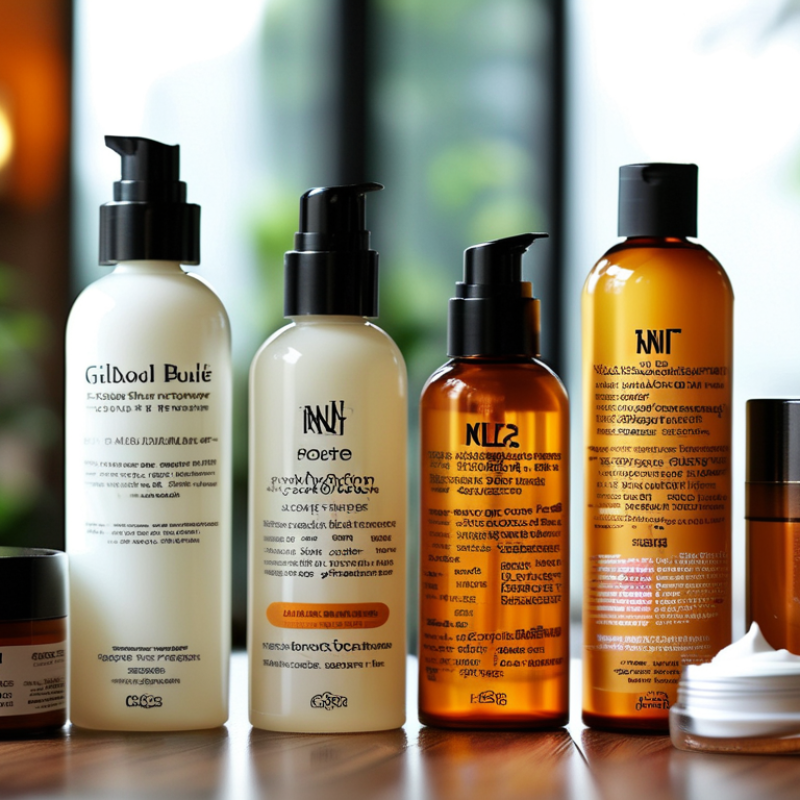
Understanding Skin Treatment Needs Across Different Skin Types and Regions
10 Best Skin Treatment Products for Global Buyers
Understanding Skin Treatment Needs Across Different Skin Types and Regions
The best skin treatment depends on skin type, climate, water quality, and daily exposure. A dry-skinned buyer in northern Europe may need a ceramide cleanser, rich moisturizer, and fragrance-free facial oil. In humid Southeast Asia, a gentle gel cleanser, lightweight moisturizer, and non-comedogenic sunscreen may feel more comfortable. Oily skin often benefits from salicylic acid treatment, while sensitive skin usually needs fewer ingredients and careful patch testing. Conditions differ widely.
A practical ten-product routine can include a gentle cleanser, hydrating toner, antioxidant serum, niacinamide serum, salicylic acid treatment, barrier cream, facial oil, body lotion, mineral sunscreen, and a soothing repair balm. These products should support specific needs, not create complicated routines. Dermatology professionals generally recommend introducing one active ingredient at a time. Stop if burning, swelling, or persistent redness appears. Small details matter, such as applying moisturizer to slightly damp skin.
Regional habits also shape results. Strong sun exposure requires broad-spectrum protection and reapplication outdoors. Cold wind may call for thicker creams and shorter cleansing routines. Hard water can leave skin tight, although this is easy to overlook. Product labels should be checked for ingredient concentrations, allergens, shelf life, and local regulatory requirements. Evidence does not guarantee personal success. I have found that even a well-designed routine can fail when sleep, stress, or climate changes. Skin care needs review, not blind loyalty.
Key Criteria for Evaluating Skin Treatment Products Worldwide
10 Best Skin Treatment Products for Global Buyers
Key Criteria for Evaluating Skin Treatment Products Worldwide
Global buyers need more than attractive packaging and quick claims. According to Grand View Research, the global skincare products market was valued at approximately USD 155.7 billion in 2022. This growth creates more choices, but also increases evaluation risks. Check the active ingredients, concentration, usage directions, and documented safety evidence. Products should clearly identify batch details, expiry dates, storage conditions, and responsible manufacturers.
Skin type and climate matter. A lightweight lotion may suit humid Singapore but feel insufficient in dry northern regions. Look for non-comedogenic testing when acne is a concern. Fragrance-free formulas may also reduce irritation for sensitive users, although “natural” does not always mean safer. The American Academy of Dermatology recommends broad-spectrum sunscreen with SPF 30 or higher for exposed skin. Buyers should verify whether local regulators accept the stated protection and ingredients.
Packaging deserves attention too. ISO 22716 provides recognized guidance for cosmetic good manufacturing practices. Still, certification alone cannot prove that a product fits every individual. I would compare independent testing, clinical sample sizes, and transparent adverse-event information. Marketing language can sound convincing. It is not evidence. One limitation remains: published studies often examine short-term use, while consumers expect lasting results. A careful buyer should reassess tolerance after several weeks and seek professional advice when persistent redness, pain, or swelling appears.
Ten Leading Skin Treatment Products and Their Main Benefits
Global buyers now expect visible results and trustworthy evidence.
Grand View Research valued the global skincare products market above US$140 billion in 2022.
The leading choices remain practical.
A gentle cleanser removes oil without excessive tightness. A moisturizer supports the skin barrier. Broad-spectrum SPF 30 sunscreen helps reduce sunburn and photoaging. Vitamin C serum can brighten uneven tone. A retinoid cream supports smoother texture and fine-line care.
Niacinamide serum may reduce visible oiliness and redness. Salicylic acid exfoliant helps unclog pores. Azelaic acid treatment can improve blemish-prone, uneven-looking skin. A ceramide balm reinforces dry, weakened barriers. Peptide serum supports a firmer appearance, although results vary.
The American Academy of Dermatology recommends introducing one active ingredient at a time. That advice is easy to ignore. It should not be. Irritation often comes from excessive layering, not one product alone.
Buyers should also check concentration, storage instructions, allergy warnings, and local sunscreen regulations. Product claims are not equally reliable across markets.
Tips:
Patch test first. Use sunscreen daily. Start slowly. Keep routines simple. Retinoids and exfoliating acids may require professional guidance, especially during pregnancy or with sensitive skin. Climate matters too: humid regions may need lighter textures, while cold, dry air favors richer formulas. Industry reports help identify demand, but they cannot predict an individual’s response. That remains the less convenient truth.
How to Choose Safe and Effective Products for Your Skin
10 Best Skin Treatment Products for Global Buyers
How to Choose Safe and Effective Products for Your Skin
Choosing skincare across borders requires more than attractive packaging. Start with a gentle cleanser, fragrance-free moisturizer, broad-spectrum sunscreen, and barrier-supporting cream. Other useful options include niacinamide, vitamin C, azelaic acid, a mild exfoliant, a retinoid, and a targeted spot treatment. These ingredients may suit different concerns, but none works equally for every person.
Read the full ingredient list. Check the concentration, expiration date, storage advice, and country-specific safety information. A dermatologist or licensed pharmacist can explain suitable ingredients, especially for sensitive skin, pregnancy, allergies, or prescription-related concerns. Retinoids and strong exfoliants may have different rules in different markets. Buy from a traceable seller. Keep the receipt.
Patch testing matters. Apply a small amount near the jawline for several days, then watch for burning, swelling, or persistent redness. Stop if irritation appears. Do not combine several active ingredients immediately. Skin needs time. I sometimes see shoppers change products too quickly, then blame the wrong ingredient. That is a useful warning. Results also depend on daily sunscreen use, sleep, climate, and consistent application. Product reviews can offer practical experiences, but verified medical guidance remains more dependable. Even a popular formula can fail when its texture, strength, or preservative system does not match your skin.
10 Best Skin Treatment Products for Global Buyers
How to Choose Safe and Effective Products for Your Skin
The chart compares commonly used skin-treatment product types by a representative concentration found in widely available formulations. These values are not potency rankings: select products according to your skin concern, sensitivity, local regulations, and professional advice. Always patch-test new products and use broad-spectrum sunscreen during the day.
Reference basis: commonly used dermatological and over-the-counter formulation ranges, including salicylic acid 0.5–2%, benzoyl peroxide 2.5–10%, adapalene 0.1%, azelaic acid 10–20%, and hydrocortisone 0.5–1%.
Global Buying, Ingredient, Packaging, and Usage Considerations
Choosing the ten best skin treatment products for global buyers requires more than comparing prices. A gentle cleanser, barrier moisturizer, broad-spectrum sunscreen, vitamin C serum, niacinamide treatment, exfoliating acid, retinoid product, hydrating essence, eye cream, and calming mask serve different needs. Skin type, climate, age, and sensitivity should guide each choice. Evidence matters more than attractive claims. Check published ingredient data and consult qualified professionals when irritation persists.
Ingredient rules vary across markets. A preservative or UV filter accepted in one country may need additional review elsewhere. Buyers should verify local regulations, allergen labeling, batch details, expiry dates, and responsible manufacturing records. Fragrance can affect sensitive users. Retinoids and strong exfoliants require careful directions, especially for new users. Patch testing is sensible, although it cannot predict every reaction.
Packaging affects safety and cost. Airless pumps can reduce contamination, while opaque containers may protect light-sensitive formulas. Glass feels premium but adds weight and breakage risk during international shipping. Refillable designs sound sustainable, yet poor sealing can damage the product. Usage instructions should include frequency, storage temperature, and sun protection advice. Small text creates real problems. I have seen buyers overlook translation quality and open-jar periods. That mistake deserves more attention. A lower unit price may become expensive after customs, damaged goods, or unsuitable packaging.
10 Best Skin Treatment Products for Global Buyers – Global Buying, Ingredient, Packaging, and Usage Considerations
| Product Type | Key Ingredients and Typical Function | Best For | Recommended Usage | Preferred Packaging | Global Buying Considerations | Important Cautions |
|---|---|---|---|---|---|---|
| 1 Broad-Spectrum Sunscreen SPF 30–50 | Zinc oxide or modern organic UV filters provide protection against ultraviolet radiation. Glycerin may improve hydration. | Daily protection from sunburn, photoaging, and uneven pigmentation. | Apply generously to exposed skin 15 minutes before outdoor exposure. Reapply at least every two hours and after swimming or heavy sweating. | Opaque airless pump, tube, or UV-protective bottle. A tamper-evident seal is recommended. | Verify the SPF testing method, UVA claim, water-resistance claim, local sunscreen classification, and required language on the label. | May irritate sensitive eyes. Sunscreen does not replace protective clothing or shade. |
| 2 Gentle Facial Cleanser | Mild surfactants, glycerin, and panthenol help remove dirt and excess oil while limiting skin dryness. | Normal, dry, sensitive, or combination skin requiring non-stripping cleansing. | Massage onto wet skin for approximately 30–60 seconds, then rinse with lukewarm water. Use once or twice daily. | Pump bottle or squeeze tube with a flip-top closure. Recyclable mono-material packaging can simplify disposal. | Check surfactant tolerance, fragrance declaration, preservative compliance, fill volume, and leakage resistance during transport. | Avoid very hot water and excessive rubbing, which can increase dryness or irritation. |
| 3 Ceramide Moisturizer | Ceramides support the skin barrier. Humectants such as glycerin and occlusives such as petrolatum help reduce water loss. | Dry, dehydrated, sensitive, or barrier-impaired skin. | Apply to slightly damp skin after cleansing. Use morning and evening, or as needed. | Airless pump or wide-neck tube limits repeated exposure to air and fingers. An inner seal improves product protection. | Review stability data because emulsions can be affected by heat and freezing. Confirm net contents, batch coding, and shelf-life requirements. | Heavy occlusive textures may feel uncomfortable on very oily or acne-prone skin. |
| 4 Niacinamide Serum | Niacinamide, commonly used at approximately 2–5%, can support the skin barrier and help improve the appearance of uneven tone and excess oil. | Oily, combination, blemish-prone, or uneven-looking skin. | Apply a few drops after cleansing and before moisturizer. Begin once daily and increase only if well tolerated. | Opaque or amber glass dropper, airless pump, or UV-resistant plastic bottle with a controlled-dose closure. | Protect from excessive heat and light. Confirm compatibility with the chosen preservative system and local cosmetic claims rules. | High-strength formulas may cause redness or stinging in some users. Patch testing is advisable. |
| 5 Vitamin C Antioxidant Serum | L-ascorbic acid is a well-studied antioxidant but is sensitive to oxygen, light, and heat. Derivatives may offer improved formulation stability. | Dull-looking skin and the appearance of uneven pigmentation caused by environmental exposure. | Apply a small amount to dry skin, generally in the morning, followed by moisturizer and sunscreen. | Opaque airless packaging or an amber, low-air bottle with a tight closure. Minimize headspace where practical. | Request accelerated stability data, oxidation monitoring, pH information, and suitable transport conditions for warm climates. | May sting sensitive skin. A darkened or strongly oxidized formula may have reduced performance. |
| 6 Salicylic Acid Blemish Treatment | Salicylic acid is a beta-hydroxy acid that helps exfoliate within oily pores and supports the treatment of mild blemishes. | Oily or blemish-prone skin with clogged pores and blackheads. | Use a low-strength leave-on formula as directed, often once daily or every other day. Moisturize afterward. | Precision nozzle tube or airless pump with a child-resistant closure where required by local rules. | Confirm permitted concentration, product category, warning statements, and restrictions for salicylic acid in each destination market. | Avoid applying to broken skin or combining immediately with multiple strong exfoliants. Increased sun sensitivity is possible. |
| 7 Hyaluronic Acid Hydrating Serum | Hyaluronic acid and sodium hyaluronate are humectants that attract and hold water at the skin surface. | Dehydrated, tight-feeling, or environmentally stressed skin. | Apply to damp skin, then seal with a moisturizer. Suitable for use once or twice daily. | Airless pump or hygienic dropper bottle. Lightweight plastic can reduce breakage and shipping weight. | Evaluate viscosity, freeze–thaw stability, microbial protection, and packaging compatibility before international shipment. | Humectants work best with a moisturizing layer; use on its own may not prevent water loss in dry climates. |
| 8 Retinoid Night Treatment | Retinol or another permitted cosmetic retinoid supports skin renewal and can improve the appearance of fine lines and uneven texture. | Experienced users concerned with visible signs of aging or uneven skin texture. | Apply a pea-sized amount at night two or three times weekly at first, then increase gradually if tolerated. Use sunscreen during the day. | Opaque airless pump or sealed tube to reduce exposure to light and oxygen. | Check ingredient restrictions, maximum concentrations, claims limitations, stability testing, and destination-market labeling requirements. | May cause dryness, peeling, or irritation. Pregnancy and breastfeeding precautions should be reviewed with a qualified healthcare professional. |
| 9 Azelaic Acid Treatment | Azelaic acid can help improve the appearance of blemishes, redness, and uneven pigmentation. It also has keratolytic properties. | Blemish-prone skin, post-blemish marks, and uneven-looking complexion. | Apply a thin layer once daily initially. Increase to twice daily only when tolerated and according to product directions. | Laminated tube or airless pump with a protective seal and a narrow dispensing opening. | Confirm whether the formulation is regulated as a cosmetic or medicinal product in the destination country. | Temporary tingling, dryness, or irritation may occur. Do not apply to severely damaged skin. |
| 10 Colloidal Oatmeal Soothing Cream | Colloidal oatmeal helps soothe and protect dry, itchy skin. Glycerin and emollient oils can support moisturization. | Dry, sensitive, or irritation-prone skin, including seasonal dryness. | Apply generously after cleansing and reapply whenever the skin feels dry. Avoid contact with the eyes. | Wide-orifice tube, pump bottle, or airless dispenser. A seal and low-contamination design are preferred for repeated use. | Verify allergen statements, fragrance-free positioning, preservative efficacy, temperature stability, and local therapeutic claims rules. | Discontinue use if a rash or worsening irritation develops. People with known oat allergies should review the ingredient list carefully. |
Related Posts
-
7 Essential Basic Skin Care Products Every Global Buyer Should Know
-

Unveiling the Latest Trends in Skin Care Cosmetics for Global Buyers in 2023
-
Unlock Radiant Skin: A Step-by-Step Guide to Choosing the Best Skin Care Cosmetics
-
Comparing the Top 5 Best Skin Care Cosmetics: Which One is Right for You?
-
Unique Examples of Innovative Skin Care Products Transforming Beauty Routines
-
Ultimate Guide to Exploring the Best Skin Care Solutions for Global Buyers