
Why Are Basic Skin Care Products Essential for Buyers?
Why Are Basic Skin Care Products Essential for Buyers? The answer begins with everyday skin needs, not complicated beauty trends. Skin faces sunlight, sweat, dust, dry air, and repeated washing. Basic Skin Care Products help buyers create a practical barrier against these daily stresses. A gentle cleanser removes surface buildup without excessive friction. A moisturizer supports comfort when the skin feels tight or rough. Sunscreen helps reduce avoidable ultraviolet exposure during outdoor activities.
Small choices matter.
Reliable buying decisions should consider ingredients, skin type, packaging, and intended use. Dermatologists commonly recommend simple routines because fewer products can make irritation easier to identify. Buyers should read labels carefully and avoid assuming that expensive products work better. Fragrance, alcohol, or strong exfoliating ingredients may trouble sensitive skin. A patch test can reveal problems before full-face use, although it cannot guarantee complete safety. Professional advice remains valuable when redness, swelling, persistent itching, or painful breakouts appear.
The experience is not always perfect. A product may feel pleasant but provide little lasting benefit. Another may seem ordinary while quietly improving dryness over several weeks. This makes honest evaluation important. Buyers can record changes, use one new product at a time, and follow storage instructions. Marketing language often sounds more certain than scientific evidence allows. Therefore, trustworthy choices depend on transparent claims, appropriate expectations, and guidance from qualified skin professionals. Basic Skin Care Products are essential because they support consistency, comfort, and informed care without making skincare unnecessarily complicated.
What Basic Skin Care Products Are and What They Include
Why Are Basic Skin Care Products Essential for Buyers?
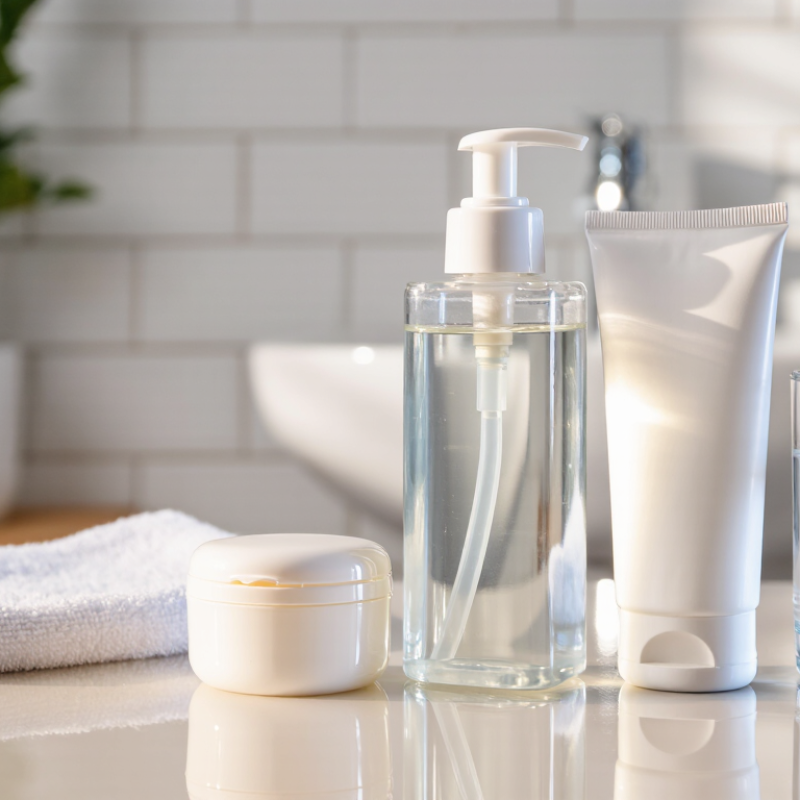
Basic skin care products are the foundation of daily skin maintenance. They usually include a gentle cleanser, moisturizer, and broad-spectrum sunscreen. Some routines also add a treatment product for acne, dryness, or uneven tone. The category is not perfectly clear. Product labels often use overlapping terms, so buyers should examine ingredients and intended use.
A cleanser removes sweat, excess oil, and surface debris without leaving the skin tight. A moisturizer helps reduce water loss and supports the skin barrier. Sunscreen protects exposed skin from ultraviolet radiation during daytime activities. The American Academy of Dermatology recommends these three steps for a practical routine. In real product checks, texture matters too. A heavy cream may feel uncomfortable on oily skin. A light lotion may not protect very dry areas.
Market data shows why this category deserves careful attention. McKinsey’s 2023 beauty industry report identifies skin care as roughly 40% of the global beauty market. Grand View Research estimated the global skin care market at about 155 billion US dollars in 2023. These figures differ because each report defines the market differently. That difference deserves reflection. Bigger sales do not prove better products. Buyers should check evidence, skin tolerance, packaging clarity, and realistic claims. Patch testing can also reduce avoidable irritation, although it cannot predict every reaction. Simple routines are often easier to follow. Not always perfect. Still useful.
Why Are Basic Skin Care Products Essential for Buyers? – What Basic Skin Care Products Are and What They Include
| Basic Product | Primary Function | Common Ingredients or Features | Typical Use | Suitable Skin Concerns | Buyer Importance | Usage and Selection Notes |
|---|---|---|---|---|---|---|
| Gentle Cleanser | Removes sweat, excess oil, dirt, makeup residue, and some environmental particles from the skin. | Water, mild surfactants, humectants such as glycerin, and skin-conditioning agents. | Usually used once or twice daily, depending on skin type, climate, and product formulation. | Daily cleansing; oily, normal, combination, dry, or sensitive skin when the formula is appropriately selected. | Essential | Choose a cleanser that does not leave persistent tightness, stinging, or excessive dryness after rinsing. |
| Moisturizer | Helps reduce water loss and supports the skin barrier, improving comfort and softness. | Humectants such as glycerin, emollients, occlusive ingredients, and sometimes ceramides. | Applied after cleansing and whenever the skin feels dry or uncomfortable. | Dryness, rough texture, sensitivity related to a weakened barrier, and seasonal dehydration. | Essential | Lotions and gels are generally lighter; creams and ointments are usually richer and may suit drier skin. |
| Broad-Spectrum Sunscreen | Helps protect exposed skin from ultraviolet A and ultraviolet B radiation. | UV filters, broad-spectrum labeling, and a sun protection factor shown on the package. | Applied to exposed skin during daytime; reapplication is needed after swimming, sweating, or towel drying. | Prevention of sunburn and reduction of cumulative UV-related skin damage and visible photoaging. | Essential | Use a broad-spectrum product with SPF 30 or higher when appropriate, and combine it with shade and protective clothing. |
| Makeup Remover or Oil Cleanser | Helps dissolve makeup, water-resistant sunscreen, and oil-soluble residue before or during cleansing. | Oil-based emollients, emulsifiers, or micellar cleansing agents. | Used in the evening when makeup or long-wear sunscreen has been applied. | Removal of cosmetic residue without relying only on repeated vigorous washing. | Situational | Not required for every buyer; avoid excessive rubbing around the eyes and rinse according to the product directions. |
| Treatment Product | Targets a specific concern rather than serving as a universal basic step. | May contain ingredients such as salicylic acid, benzoyl peroxide, azelaic acid, niacinamide, or retinoids. | Used according to the ingredient, concentration, product directions, and individual tolerance. | Acne, uneven tone, clogged pores, or signs of aging, depending on the active ingredient. | Optional | Introduce one active product at a time; irritation can occur, and some concerns may require professional advice. |
| Lip Care Product | Reduces dryness and helps protect the delicate skin of the lips. | Occlusive ingredients, waxes, oils, butters, and sometimes UV-protective ingredients. | Applied as needed, especially in cold, dry, windy, or sunny conditions. | Chapped, rough, or uncomfortable lips. | Useful | Fragrance and flavor ingredients may irritate some users; persistent cracking should be professionally assessed. |
| Exfoliating Product | Helps remove or loosen excess surface dead skin cells. | Alpha hydroxy acids, beta hydroxy acids, polyhydroxy acids, or physical exfoliating particles. | Used occasionally rather than automatically every day. | Dull appearance, rough texture, or clogged pores, depending on the formulation. | Optional | Overuse may cause dryness and irritation; sun protection is particularly important when using exfoliating acids. |
| Fragrance-Free or Low-Irritant Option | Provides a simpler choice for buyers who are sensitive to fragrance or certain cosmetic ingredients. | Limited fragrance, fewer unnecessary additives, and a clearly listed ingredient profile. | Can be selected for cleansers, moisturizers, sunscreens, and treatment products. | Sensitive skin, a history of irritation, or preference for minimal routines. | Preference-Based | “Fragrance-free” does not guarantee that a product will suit everyone; patch testing can help identify individual reactions. |
Related Posts
-

China Top Skin Products Manufacturers for Global Buyers
-

Discover the Latest Innovations in Medical Skin Care Products for Optimal Global Sourcing Solutions
-

Elevating Your Routine with Essential Basic Skin Care Products
-
China Top Skin Health Products for Global Buyers?
-
Innovative Solutions for Achieving Best Skin Health with Top Tier Cosmetics
-

Essential Skin Care Tools for Achieving Flawless Skin at Home