
Why Choose a Private Label Skincare Manufacturer?
Choosing a Private Label Skincare manufacturer can turn a promising product idea into a practical launch. The right partner may help refine a formula, select packaging, and coordinate production. That support matters when a cream’s texture changes between a lab sample and a full batch. Small details count.
Cosmetic chemist Perry Romanowski’s educational work reflects a useful principle: skincare products need thoughtful formulation, testing, and consistent manufacturing—not just appealing marketing. This is a paraphrase, not a direct quotation. A manufacturer should be able to explain how it evaluates stability, documents batches, and manages ingredient and packaging choices. Ask for clear answers, sample products, and realistic production timelines. Confidence should come from evidence.
Private label arrangements can also reduce the work involved in building products from scratch. They do not remove the need for careful decisions. A low minimum order may help a new brand test demand, while packaging options can affect product protection, shelf appeal, and shipping costs. Compare the details before committing. A glossy sample can still leave important questions unanswered. That part is easy to overlook.
The best partnership is not necessarily the one with the biggest catalog or the fastest promises. Look for communication that stays specific when discussing costs, quality checks, customization limits, and lead times. One honest limitation can be more useful than broad claims. A little skepticism helps. With a reliable manufacturer, Private Label Skincare can give a brand a clearer path from concept to shelf—provided the product, process, and expectations all hold up under scrutiny.
What a Private Label Skincare Manufacturer Does
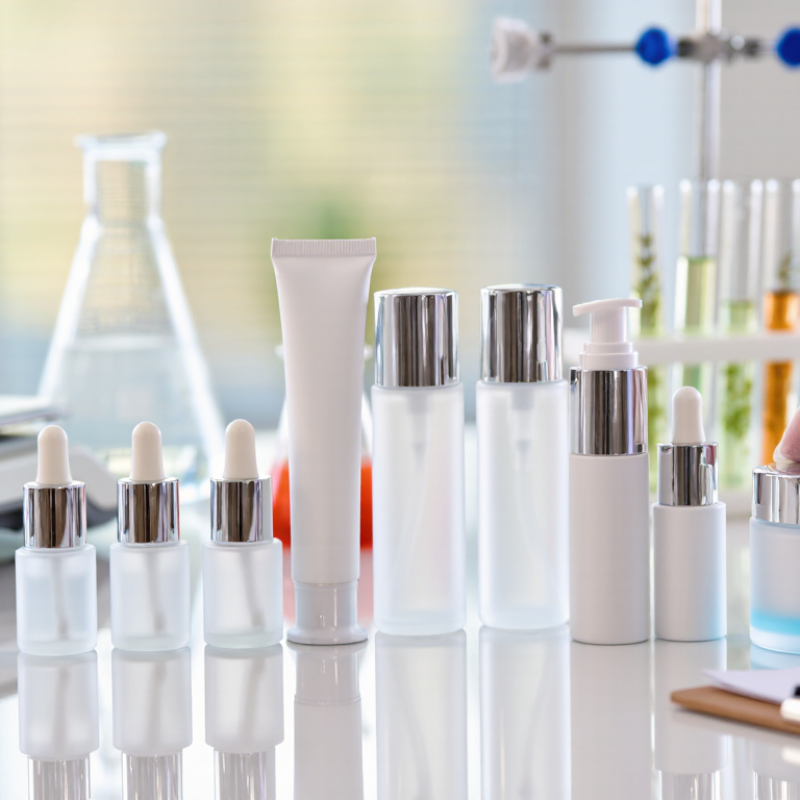
A private label skincare manufacturer turns a product brief into a repeatable formula and finished goods. Depending on its capabilities, the manufacturer may develop or adapt formulas, source ingredients, fill containers, and manage packaging. Work often includes stability checks, packaging compatibility, and microbial testing. The exact scope varies, so agree on deliverables before development begins. A cream may feel smooth in a lab sample, then separate after months of heat exposure. That matters.
The market is large, but growth alone does not guarantee a successful product. McKinsey & Company’s 2023 beauty-market report projected that the global beauty industry could reach about $580 billion by 2027. For a new skincare line, a capable manufacturing partner can help translate market ideas into practical choices: texture, fragrance, container type, batch size, and production schedule. Not every partner does.
Ask for clear specifications, test records, ingredient documentation, and a defined quality process. Also clarify who checks labeling and market-specific requirements; manufacturers may support this work, but responsibilities should be explicit. A low minimum order can be attractive, yet a rushed formula or unclear testing plan may create costly rework. One uncomfortable question is worth asking: what happens if the first batch does not match the approved sample?
How Private Label Skincare Products Are Developed and Produced
Private-label skincare development starts with a clear product brief: intended user, texture, format, and price range. Formulators turn it into a prototype, adjusting ingredients, viscosity, and packaging compatibility. A cream should spread evenly and dispense cleanly. Early samples expose trade-offs. Not every first batch feels right.
Grand View Research’s Skin Care Market Size, Share & Trends Analysis Report (2022) valued the global skincare market at $146.7 billion in 2021 and projected 6.6% annual growth through 2030. Against that backdrop, careful production matters. After formula approval, manufacturers typically make a pilot batch, check stability and packaging compatibility, and assess microbiological quality. Production records and batch checks help catch deviations before filling. The process takes time; a rushed scale-up can change a product’s texture.
Tips: Ask for the testing plan, sample review stages, and batch-quality records. Check whether the finished formula still performs as expected in its final container.
What Business Benefits Private Label Manufacturing Offers
Private label manufacturing lets a business sell skincare products made by an experienced producer under its own label. Rather than building a lab, hiring formulation staff, and buying filling equipment, a team can use established production systems. This may reduce upfront investment and shorten the path from concept to shelf. A small launch can test whether customers prefer a light gel moisturizer or a richer cream before larger orders are placed.
Start with evidence.
A capable manufacturer can offer practical knowledge of ingredient compatibility, texture, packaging, and consistent batch production. That matters when a formula needs to feel the same from one jar to the next. Businesses may choose an existing formula or request changes, such as a less greasy finish or a pump bottle for easier use. They can then devote more time to customer research, retail relationships, and clear product education.
There is a real trade-off.
Working with a partner does not remove a business’s responsibility to check details. Review product specifications, assess samples, ask about relevant quality records, and agree on timelines and minimum order quantities. Customization may add cost, and a standard formula may not suit every audience. Ask how requested changes are evaluated and how production problems are handled.
Even a good-looking sample is only one checkpoint. The process can take longer than expected.
How Private Label Products Differ from Custom Formulations
Private label and custom formulation are different development paths. With private label, a manufacturer typically starts from an established formula; the buyer may adjust fragrance, texture, active ingredients, or packaging. Options vary by supplier. Less invention. More speed.
A custom formula starts with a product brief: the feel of a cream on skin, its target use, and the ingredients the team wants to include. The lab develops and refines the formula, which can require more time, testing, and investment.
McKinsey’s 2023 beauty analysis estimated global beauty sales at about $430 billion in 2022, with roughly 6% annual growth through 2027. Grand View Research valued the global skincare market at $146.7 billion in 2023 and projected 4.7% annual growth through 2030. These figures show a large, competitive market; they do not prove that a custom formula will sell.
Before choosing, ask for ingredient specifications, stability and compatibility test records, and a clear explanation of what can be changed. A ready-made base is not automatically a shortcut to a strong product. Nor does a bespoke formula guarantee a better one. The less glamorous details matter: how a lotion spreads, whether its scent changes, and how it behaves in its final packaging.
What to Evaluate When Choosing a Private Label Manufacturer
Why Choose a Private Label Skincare Manufacturer?
What to Evaluate When Choosing a Private Label Manufacturer
Choosing a manufacturer is less about polished presentations and more about how consistently it can deliver. Ask how products are developed, tested, filled, and checked before shipment. Request sample batch records, ingredient specifications, and examples of quality checks. Small details matter. A clear answer should explain who handles each step and what happens when a batch misses a target.
Review the manufacturer’s testing and traceability processes. Ask how it assesses product stability and microbial quality, and how it tracks ingredients and finished batches. Procedures should be documented, not just described during a call. Check whether the facility follows recognized manufacturing practices and can provide relevant records. A factory visit can help, but a tidy production floor alone proves little.
Compare minimum order quantities, lead times, packaging options, and fees for changes. Ask what happens if a pump leaks or a texture differs from the approved sample. Get responsibilities and approval steps in writing. Communication is part of quality, too: notice whether answers are specific, timely, and consistent across staff. A common oversight is focusing on the first sample. It may look perfect, yet scaling it can reveal delays or variation. That possibility deserves an honest conversation before placing an order.