
What is a Vacuum Bowl Cutter and How Does It Work?
A vacuum bowl cutter is an innovative kitchen tool for food preparation. It combines advanced technology with traditional culinary practices. By creating a vacuum, it minimizes oxidation and enhances the quality of ingredients. This tool is popular in both professional kitchens and home cooking.
Using a vacuum bowl cutter can improve the texture of various foods. It allows for precise cutting, blending, and mixing. Chefs appreciate its ability to maintain flavors. However, some users might find it challenging to operate at first. Familiarity with the device can take time and practice.
This cutting-edge device also poses a few drawbacks. Potential users may hesitate due to its cost. Additionally, understanding all functions can be overwhelming. Nonetheless, embracing this technology could elevate culinary skills and creativity. Ultimately, the vacuum bowl cutter offers unique possibilities for improving food preparation.
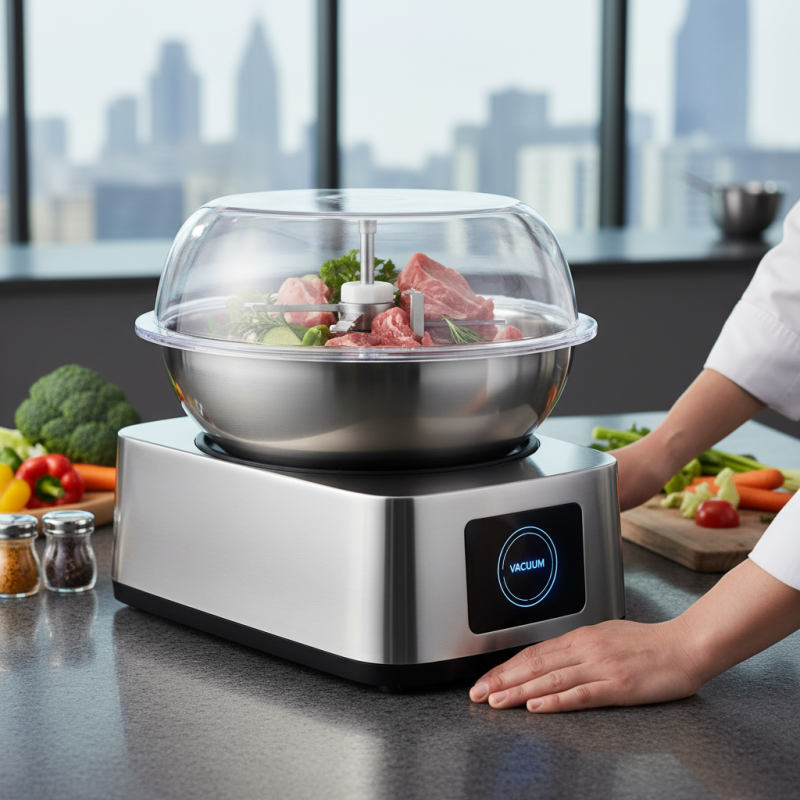
What is a Vacuum Bowl Cutter?
A vacuum bowl cutter is a specialized tool used in food processing, particularly for processing meat and vegetables. It combines cutting and mixing in a single device. This machine creates a vacuum environment, which helps to preserve freshness and enhance flavor. By reducing air exposure, it prevents oxidation, keeping ingredients vibrant in color and taste.
The operation of this cutter is fascinating. Ingredients are placed in the bowl and sealed. The vacuum pump removes air, creating a tight seal. Blades then chop and mix the contents while the vacuum maintains a consistent temperature. This process can produce a more uniform texture compared to traditional cutters. Some users, however, notice that controlling the cut size is challenging. It may require practice to achieve the preferred consistency.
Vacuum bowl cutters can save time in food preparation. They are great for making purees, emulsions, and other mixtures. Yet, like any machine, they can be temperamental. If the vacuum seal fails, the results may be inconsistent. Users must be attentive and adjust their techniques as needed. It's essential to familiarize oneself with the machine's quirks to maximize its potential.
The Mechanism Behind Vacuum Bowl Cutters
A vacuum bowl cutter is an innovative kitchen tool designed for efficient food processing. It operates by creating a vacuum within a bowl during cutting. This process minimizes oxidation and preserves the flavor and nutrients of ingredients. As the blades chop, the vacuum draws in the food, ensuring uniform cuts and a smoother texture.
The key mechanism lies in its powerful motor and blade configuration. These blades rotate at high speeds, finely chopping various ingredients. The vacuum system allows the food to be kept close to the blades, improving consistency. However, the machine can be tricky to clean due to its design. Proper maintenance is crucial, as leftover food particles can affect performance.
In practice, users may encounter some difficulties. Getting the right settings for different foods can be a learning curve. Over-processing can lead to a paste-like texture, which may not be desirable. Despite these challenges, many find the benefits of a vacuum bowl cutter outweigh the drawbacks. It offers a unique way to enhance food preparation and encourages creativity in the kitchen.
Key Features of Vacuum Bowl Cutters
Vacuum bowl cutters are innovative machines used in food processing. They incorporate a vacuum system to minimize air presence, ensuring better quality in food products. The utilization of vacuum technology helps in preserving flavors and nutrients. This feature is crucial for industries like meat and food preparation, where preserving the integrity of products matters.
One of the key features of vacuum bowl cutters is their precision. With regulated cutting speeds, these machines can create uniform particle sizes. Studies show that consistent particle size can enhance the binding and emulsifying properties of mixtures. This is especially important in the meat industry, where a 20% improvement in texture has been noted in products prepared with vacuum systems.
Tip: Always maintain your vacuum bowl cutter regularly. Regular maintenance can prevent wear and tear, impacting the machine's efficiency. Another tip is to experiment with different speeds. Adjusting the cutting speed can refine the end product's texture.
While vacuum bowl cutters offer great benefits, not all operators utilize them to their full potential. Some might overlook the importance of correct loading techniques. Overloading can lead to inefficient cutting and inconsistent results. Reflect on your operational practices to ensure optimal use of this technology.
Vacuum Bowl Cutter Operational Efficiency
Applications of Vacuum Bowl Cutters in Food Processing
Vacuum bowl cutters are essential in food processing. Their design allows for efficient chopping and mixing of ingredients. These machines use vacuum technology to remove air during processing, minimizing oxidation and preserving the flavor and color of food products. According to recent industry data, vacuum bowl cutters can enhance yield by up to 10%. This makes them highly valuable in meat and vegetable processing.
In the meat industry, vacuum bowl cutters are used to prepare products like sausages and deli meats. The vacuum process helps maintain a uniform texture. Studies show that products processed in vacuum environments retain more moisture. This results in juicier and tastier end products. The use of vacuum technology can also reduce microbial growth, extending shelf life.
However, there are challenges. Not all products are suitable for vacuum processing. Some ingredients may not react well in a low-oxygen environment. Operators must closely monitor the process to avoid inconsistencies. Balancing efficiency and product quality is crucial. Continuous training for staff is necessary to adapt to the unique requirements of vacuum bowl cutting.
Benefits of Using a Vacuum Bowl Cutter in Food Production
Vacuum bowl cutters have gained traction in the food production sector. This equipment offers numerous advantages that enhance operational efficiency. By utilizing vacuum technology, these cutters minimize air exposure during food processing. This process preserves color, flavor, and nutritional quality in the ingredients. According to a recent industry report, companies using vacuum bowl cutters have noted a 20% increase in product lifespan.
Additionally, the precise control of temperature and cleanliness in vacuum bowl cutters allows for improved texture in products. When processing meats or emulsions, this technology creates a consistent blend without overheating, which can degrade quality. Reports indicate that manufacturers experience a 15% increase in yield when using vacuum methods. However, initial investment costs can be a concern for smaller operations.
Moreover, vacuum bowl cutters can reduce the risk of contamination. The sealed environment limits bacterial growth and preserves hygiene standards. Despite these benefits, training staff to use this technology is crucial. A lack of skilled operators may hinder productivity. Therefore, while vacuum bowl cutters offer clear advantages, careful consideration is necessary before implementation.
What is a Vacuum Bowl Cutter and How Does It Work? - Benefits of Using a Vacuum Bowl Cutter in Food Production
| Feature | Description | Benefits |
|---|---|---|
| Vacuum Sealing | Reduces oxidation and preserves freshness of ingredients. | Extends shelf life and enhances flavor retention. |
| Cutting Mechanism | Utilizes a high-speed blade to streamline the chopping process. | Increases efficiency and uniformity in product size. |
| Temperature Control | Maintains low temperatures during cutting to prevent heat-sensitive ingredient degradation. | Preserves the quality of delicate ingredients. |
| Versatility | Can be used for various ingredients like meats, vegetables, and fruits. | Flexible tool suitable for diverse food production needs. |
| Labor Savings | Automates the cutting process, reducing manual labor. | Lower operational costs and higher productivity. |