
China Top Vitamin K3 Powder Suppliers for Global Buyers
Global demand for reliable feed ingredients makes supplier selection a quality decision, not just a price comparison. Alltech’s 2024 Agri-Food Outlook estimated that global feed production reached about 1.29 billion metric tons in 2023. That scale helps explain why buyers need consistent specifications and dependable supply. It does not, by itself, establish demand for Vitamin K3 Powder.
For this product, buyers should compare assay results, batch-specific certificates of analysis, impurity controls, packaging integrity, and traceability. Ask how suppliers manage batch variation and retain quality records. Details matter. The European Food Safety Authority’s FEEDAP Panel has published scientific assessments of menadione forms used as animal-feed additives. These assessments offer useful context on safety and efficacy, but they are not supplier rankings or endorsements.
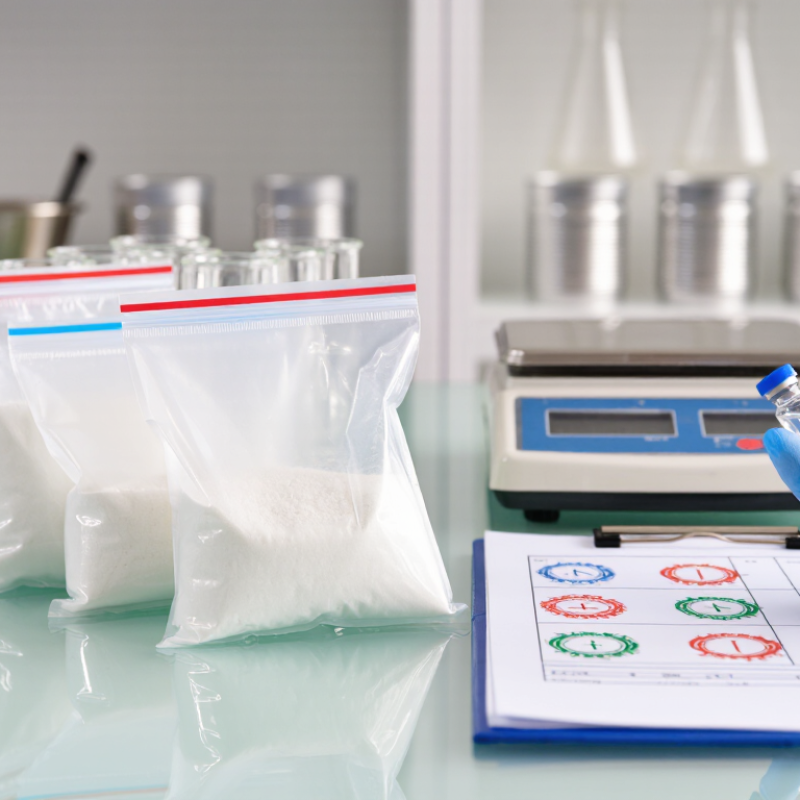
This guide examines Chinese suppliers through verifiable procurement criteria, including product documentation, communication, production consistency, and export readiness. A low quotation can look attractive beside a neat sample bag; incomplete batch records tell a different story. No verifiable individual expert quotation was supplied for this topic, so attributing a made-up statement would weaken trust. Buyers should confirm current specifications and applicable requirements with qualified professionals before placing orders.
Understanding Vitamin K3 Powder and Its Global Applications
Vitamin K3 powder is a synthetic source of vitamin K activity, commonly used in animal nutrition. It supports normal blood clotting and is included in carefully formulated feed for poultry and other livestock. Its role is specific; it should not be treated as a general-purpose human supplement. Product form and composition can vary, so buyers need to check the specification rather than rely on the name alone.
Across global markets, manufacturers blend the powder into premixes before adding it to feed. Even distribution matters. A dusty, uneven mixture can make dosing less consistent, while moisture and poor storage may affect product quality. Application rates depend on the animal, feed formula, and local requirements. There is no single formula for every market, and that is easy to overlook when comparing suppliers.
Tips: Request a current certificate of analysis and review assay, moisture, particle size, and packaging details. Check batch traceability and storage guidance. Small details matter. Ask a qualified nutrition professional to confirm suitability for the intended feed and market. Supplier documents are useful, but they do not replace independent verification when specifications are unclear.
Overview of China’s Vitamin K3 Powder Supplier Landscape
China’s vitamin K3 powder supplier landscape includes manufacturing plants, export-focused distributors, and smaller trading companies. Their offers may differ in formulation, grade, packaging, and documentation. Buyers should clarify whether the quoted material is menadione sodium bisulfite or another specified form. The name “vitamin K3” alone is not enough.
Look beyond a polished product page. Request a recent certificate of analysis, batch identification, specification sheet, and details of the testing methods used. Compare key figures, such as assay, moisture, and appearance, against your own requirements. A consistent document trail matters. So does a clear explanation of how samples relate to commercial batches.
Practical checks reveal gaps. Ask how the powder is packed, how long production typically takes, and whether export documents can match the shipment. A sealed inner liner and intact outer drum are small details, but they affect handling. Some suppliers answer quickly yet provide vague evidence; others take longer to confirm technical points. That difference deserves attention. It is not always easy to judge a supplier from one sample, and a sample may not reflect later production. Independent verification can help, though it adds time and cost.
China Top Vitamin K3 Powder Suppliers for Global Buyers - Overview of China’s Vitamin K3 Powder Supplier Landscape
| Supply Segment | Typical Product or Service | Relevant Buyer Checks | Procurement Considerations |
|---|---|---|---|
| Menadione sodium bisulfite (MSB) powder | A water-soluble vitamin K3 source commonly offered for animal-feed applications. Commercial specifications can differ by grade and formulation. | Confirm the declared active-content basis, test method, product form, moisture limits, and whether the specification matches the intended feed application. | Request a current specification sheet and batch-specific certificate of analysis (COA); compare equivalent grades rather than relying on product names alone. |
| Menadione nicotinamide bisulfite (MNB) powder | A vitamin K3 derivative used in feed-related products. Availability and specification details vary among manufacturers and product grades. | Check identity, assay, relevant impurity limits, stability information, and any application-specific requirements stated in the buyer’s specification. | Ask whether the quoted material is the exact derivative and grade required; confirm storage conditions and shelf life from the supplier’s documentation. |
| Feed-grade supply | Products intended for incorporation into animal feed or premixes, subject to the applicable rules in the destination market. | Verify permitted use, labeling requirements, and acceptance of the supplied documentation with the importer or local regulatory adviser. | Feed-grade status does not automatically establish suitability for food, pharmaceutical, or other regulated uses. |
| Quality documentation | Common procurement documents may include a product specification, batch COA, safety data sheet, and manufacturing or quality-system information. | Check that documents identify the same product and batch, include test methods where relevant, and are current and traceable. | Request samples and agree on release criteria before placing a production-scale order; use independent testing when required by the buyer’s quality plan. |
| Packaging and logistics | Packaging formats, net weights, and export arrangements depend on the product and supplier; powder handling requirements should be confirmed before shipment. | Confirm packaging material, pack size, lot marking, palletization, storage guidance, and transport conditions in writing. | Assess lead time, minimum order quantity, shipping route, customs documentation, and protection from moisture or other conditions specified for the product. |
| Supplier qualification | China-based suppliers may serve domestic and export buyers, but capabilities, product scope, and quality controls are supplier-specific. | Review manufacturing-site details, audit or certification evidence, traceability procedures, complaint handling, and change-notification practices. | Compare suppliers using documented product requirements and verified records; do not treat a general certificate as proof that every product or site is covered. |
Buyer note: Product specifications, regulatory status, and export documentation vary by grade, manufacturer, and destination. Confirm current requirements and batch-specific records directly before purchase.
Key Product Specifications and Quality Standards to Compare
When comparing China-based vitamin K3 powder suppliers, confirm the chemical form before comparing prices. Menadione sodium bisulfite and menadione nicotinamide bisulfite are not interchangeable specifications. Check the stated assay and whether results are calculated on an as-is or dry basis. Small differences matter.
Review moisture limits, appearance, solubility, and particle-size data against your intended process. A fine, uniform powder may blend more consistently, but your own equipment and formulation determine what works. Ask for a batch-specific certificate of analysis, test methods, and limits for relevant impurities and microbiological quality. Verify that the methods match the product form. Packaging details count, too: inspect the liner, seal, storage instructions, and shelf-life basis, especially if shipments face heat or humidity. Keep records.
A polished specification sheet is not enough. Request representative batch documents and clarify how deviations are handled. If two suppliers report different assay methods, compare the methods before comparing the numbers. Some details may feel routine; they are easy to overlook. A small sample can help assess handling and blending, though it cannot replace formal quality checks. Ensure each requirement is documented in the purchase specification.
China Top Vitamin K3 Powder Suppliers for Global Buyers: Key Specifications to Compare
Representative minimum assay values found in commercial specifications for two common Vitamin K3 forms
These are representative commercial specification values, not universal regulatory limits. Compare each supplier’s certificate of analysis, test methods, moisture and contaminant limits, and requirements in your destination market.
How to Evaluate and Verify Chinese Vitamin K3 Suppliers
For global buyers, supplier verification should begin with documents tied to a real production batch. The 2024 Alltech Agri-Food Outlook estimated global feed production at about 1.29 billion tonnes in 2023, across 142 countries. That scale signals a substantial ingredient market, but it does not confirm any supplier’s quality. Ask for a batch-specific certificate of analysis, then compare its assay, moisture, and appearance with your purchase specification. A scanned certificate alone is weak evidence.
Check that the sample, production site, and shipped lot share traceable batch numbers. Request the safety data sheet, manufacturing flow description, and packaging details; inspect seals and labels when goods arrive. Verify any ISO certificate directly with its issuing body, and arrange a qualified site audit when order volume justifies it. Test a retained sample through an independent laboratory. Useful checks include identity, assay, moisture, and relevant impurity limits. Confirm applicable feed-additive requirements in the destination market before placing an order.
Watch how a supplier handles questions. Clear methods, realistic lead times, and prompt explanations matter more than polished brochures. Still, paperwork can look complete while a batch varies. Ask how retained samples are stored and how complaints are investigated. Compare at least two production lots before relying on a single result. Small checks help.
Sourcing, Shipping, and Import Considerations for Global Buyers
Global buyers should treat vitamin K3 powder sourcing as a specification check, not just a price comparison. Define the intended application, required assay, appearance, particle size, and packaging before requesting quotations. Small details matter. Ask each supplier for a recent certificate of analysis, safety data sheet, and batch traceability records. Compare the test methods, not only the reported results. A low quote can look convincing, but weak documentation may create costly delays.
Request a representative sample and check it against the written specification; a sample alone cannot prove every future lot will match. Confirm lead time, minimum order size, and whether the powder ships in moisture-resistant liners inside sealed drums or bags. Ask how storage conditions are monitored during transit. Freight options depend on shipment size, route, shelf-life needs, and destination handling capacity. The cheapest route is not always the safest. Transit delays happen.
Before dispatch, align the commercial invoice, packing list, certificate of analysis, safety data sheet, and origin documents with the order. Check tariff classification and import requirements with a qualified customs broker or relevant authority in the destination market. Rules can differ by country and application, and they may change. Leave time for document review and inspections. That buffer is easy to overlook.