
Top Tips for Safe and Effective Glucose Injection Techniques?
Glucose injection is a common medical procedure used to quickly raise blood sugar levels. Proper technique is crucial for safety and effectiveness. Many people underestimate the importance of correct injection methods. Mistakes can lead to pain, infection, or inconsistent blood sugar control.
Healthcare professionals emphasize careful site selection and needle handling. Cleanliness and proper dosage are essential details often overlooked. The right angle and depth can impact how well glucose is absorbed. While some guidelines exist, practice and attention to detail improve outcomes.
Reflecting on personal experiences shows that even skilled individuals sometimes rush or skip steps. This can cause complications or discomfort. Understanding the science behind glucose injection helps users avoid common pitfalls. Reliable information and expert advice form a foundation for safer practices.
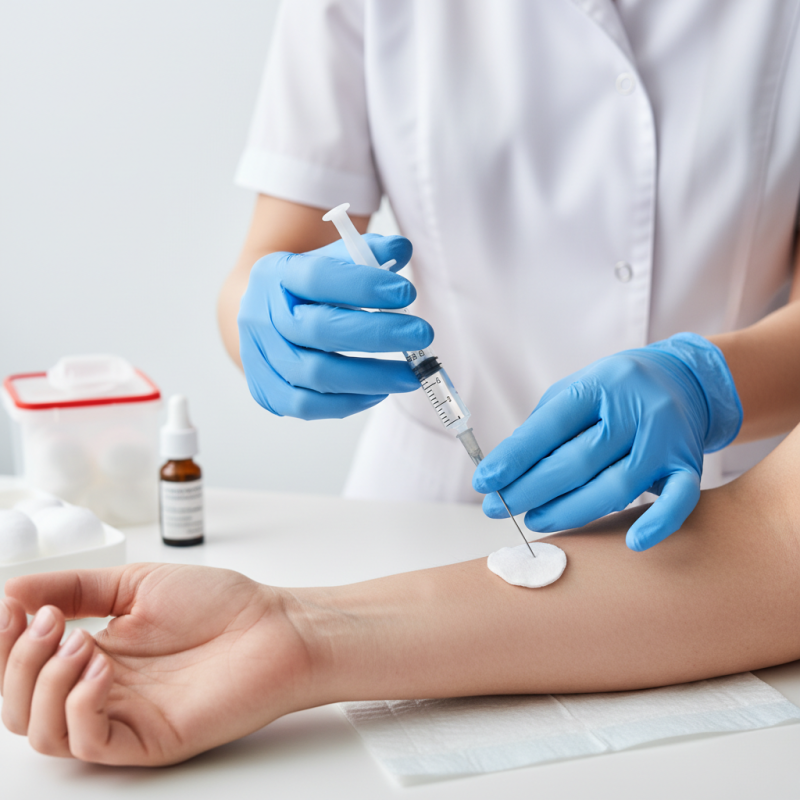
Understanding Glucose Injection: Purpose and Benefits
Glucose injections serve vital purposes, especially for individuals managing diabetes. This method delivers glucose directly into the bloodstream, offering quick relief in emergencies. According to the American Diabetes Association, timely glucose administration can prevent severe hypoglycemia. This early intervention is crucial, as low blood sugar can lead to confusion, seizures, or loss of consciousness.
The benefits of glucose injection extend beyond immediate crisis management. Regular monitoring and appropriate use can stabilize blood glucose levels. A recent study published in 'Diabetes Care' highlighted that efficient glucose control significantly reduces the risk of long-term complications. However, the process is not without challenges. Improper technique can lead to complications such as infection or bruising. The focus should remain on refining injection practices to optimize results.
Experience in glucose administration plays a key role in patient outcomes. Training is essential, yet many overlook the importance of technique refinement. An article in the 'Journal of Clinical Endocrinology and Metabolism' found that proper injection sites and angles improved absorption rates. Continuous education on these techniques is necessary. Consistent practice in safe glucose injection methods can substantially enhance overall health and quality of life for those living with diabetes.
Top Tips for Safe and Effective Glucose Injection Techniques
This chart illustrates the safety and effectiveness ratings for various aspects of glucose injection techniques. A higher rating indicates a safer and more effective practice, making it easier for individuals to manage their glucose levels effectively.
Essential Supplies for Safe Glucose Injection
When it comes to safe glucose injections, the right supplies are essential. A report by the American Diabetes Association highlights that proper insulin management can significantly reduce complications. Mere convenience can lead to serious issues. It’s crucial to have the correct supplies at hand.
Start with sterile, single-use needles. These are vital for minimizing infection risks. Many healthcare professionals recommend using a new needle for each injection. This practice not only ensures hygiene but also enhances the accuracy of the injection. Disposable syringes are commonly preferred for their portability and ease of use.
Another key supply is alcohol wipes. They help cleanse the skin area before injection. Studies indicate that this can reduce bacterial contamination by up to 90%. Remember to let the alcohol dry. Injecting when the area is still wet can cause irritation. Always keep in mind the importance of proper needle disposal methods. Collect used needles in a safe container to prevent accidents.
Don’t overlook the significance of keeping your supplies organized. Having a dedicated space for your glucose injection supplies can improve your routine. Always check expiry dates on supplies to avoid using outdated materials. Regularly revisiting your technique and supplies can foster improvements in your overall management of glucose levels.
Step-by-Step Guide to Proper Injection Techniques
When it comes to glucose injections, proper technique is essential for safety and effectiveness. Begin by thoroughly washing your hands with soap and water. This reduces the risk of infection. Prepare your injection site by cleaning it with an alcohol swab. This step helps ensure that your skin is free of bacteria.
Choosing the right injection site is crucial. Common areas include the abdomen or thigh. Rotate sites to prevent tissue damage and keep your skin healthy. When injecting, hold the syringe like a dart, and use a swift motion to insert the needle at a 90-degree angle for intramuscular shots or 45 degrees for subcutaneous shots. This makes the process smoother and less painful.
It's common to feel nervous or anxious about injections. Remember that practice helps reduce these feelings over time. Make sure to dispose of needles properly. Safe disposal prevents injury and infection. Reflect on your technique regularly; this can help you identify areas for improvement. Effective glucose management relies on consistent and correct injection practices.
Common Mistakes to Avoid in Glucose Injection
When it comes to glucose injection, avoiding common mistakes can improve safety and effectiveness. One major error is not rotating injection sites. Research shows that repeated use of the same area can lead to lipoatrophy or lipohypertrophy. These conditions can impair insulin absorption and make managing blood sugar levels more difficult. Therefore, it’s crucial to rotate your injection sites regularly.
Another frequent mistake is incorrect needle disposal. Improper disposal increases the risk of needlestick injuries and potential infection. According to the Centers for Disease Control and Prevention (CDC), sticking to safe disposal methods is essential for your safety and those around you. Use a puncture-proof container for disposing of needles and syringes, making this a routine part of your injection process.
Tip: Always ensure you are using the correct needle length and gauge for your body type. A study published by the American Diabetes Association identifies that using the right needle size can enhance comfort and efficacy during injection. Pay attention to the angle of injection as well. Injecting at a 90-degree angle is typically recommended for subcutaneous administration.
Post-Injection Care and Monitoring for Optimal Results
Post-injection care is vital for ensuring optimal results after a glucose injection. Patients should monitor the injection site for any unusual reactions. Swelling or redness can signal an issue. If you notice these symptoms, take note of them and consult a healthcare professional promptly.
Maintaining consistent blood sugar levels is crucial. Check your glucose levels regularly after the injection. This can help identify any sudden changes. Remember, a significant spike or drop could lead to complications. Have a plan in place for managing these fluctuations effectively.
After injecting, gently apply pressure with a clean cotton ball. This technique minimizes bleeding and promotes healing. Additionally, avoid massaging the area, as it can cause the medication to disperse unevenly. Always choose a safe injection site and rotate between sites to prevent tissue damage and promote better absorption. Reflecting on your technique can lead to improved practices over time.