
What is a Reclining Wheelchair and How Does It Benefit Users?
The Reclining Wheelchair serves a pivotal role in enhancing comfort and mobility for users with limited mobility. Research indicates that approximately 30% of wheelchair users suffer from pressure injuries due to prolonged sitting. Thus, innovative designs like the reclining wheelchair significantly reduce such risks. Dr. Emily Castro, a leading expert in mobility aids, emphasizes, “Reclining wheelchairs are essential for user wellbeing and dignity.”
These specialized chairs provide an adaptable seating position. Users can recline to achieve greater comfort and reduce strain on their back and joints. This capability often leads to improved circulation and a decrease in fatigue. Users experience relief from discomfort during long periods of sitting. However, many may overlook the need for this crucial equipment until faced with health issues. Holistically, the reclining wheelchair can enhance both the quality of life and the management of specific health concerns.
While these chairs offer significant benefits, they require a level of understanding about their proper use. Not all users may find immediate ease in transitioning to a reclining model. Familiarity with the mechanics and features can take time. Ultimately, addressing individual needs and preferences is vital for maximizing the advantages of a reclining wheelchair.
Understanding the Design of a Reclining Wheelchair
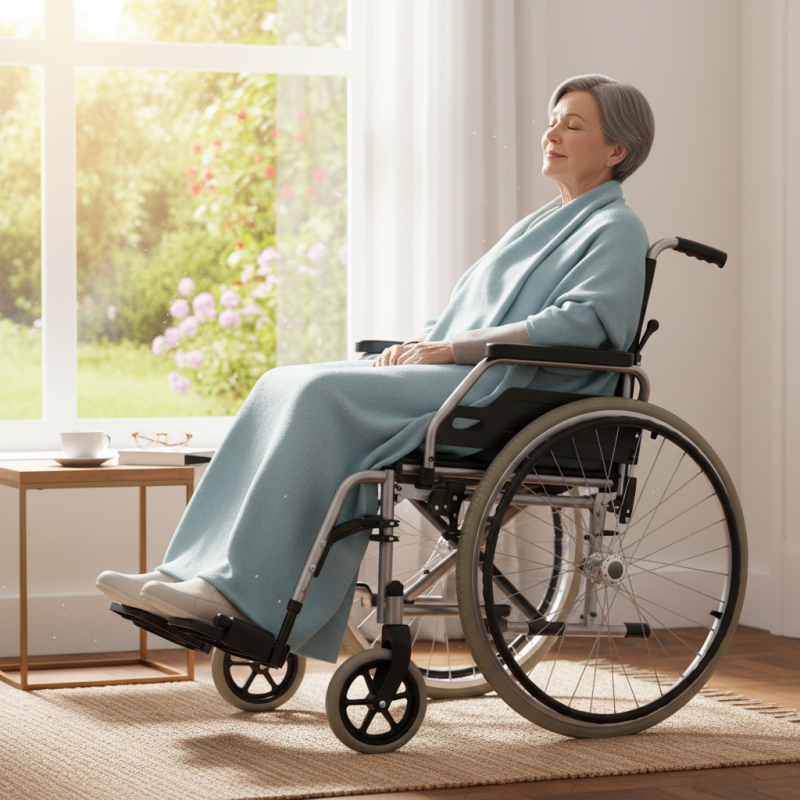
A reclining wheelchair is designed to provide comfort and support for users. Its unique design allows the backrest to tilt backward. This feature can significantly alleviate pressure on the lower back and hips. By adjusting the angle, users can find their most comfortable position. It’s perfect for those who need to rest for extended periods.
When exploring the design, consider how the seat width and depth affect comfort. A well-fitted chair decreases the chance of sores. Additionally, look for armrests that support the natural position of your arms. Some users may find they need to adjust to the chair. This process can take time, and it's essential to listen to your body’s feedback.
Tips: Always try different models before deciding. Comfort is key! Don’t hesitate to ask for assistance. Engage with family or caregivers during trials. Adjustments may feel unfamiliar. A little patience goes a long way in ensuring your seating choice supports your lifestyle.
Key Features of Reclining Wheelchairs
Reclining wheelchairs offer unique benefits for users needing comfort and support. One key feature is the adjustable backrest. This allows users to shift positions easily. Adjustability is crucial for pressure relief, reducing the risk of pressure sores. According to a study published by the National Institutes of Health, nearly 60% of wheelchair users experience pressure injuries. Using a reclining wheelchair can help mitigate this risk significantly.
Another important feature is the elevating leg rests. They provide support for the legs, promoting circulation. This can benefit users with conditions like diabetes or vascular issues. Research indicates that nearly 30% of wheelchair users suffer from leg swelling. Elevating leg rests can help tackle this issue and improve overall well-being. However, many users overlook these features. They may not recognize their potential advantages. It’s essential to consider these aspects when selecting a wheelchair.
Weight capacity is another aspect to think about. Reclining wheelchairs usually offer a range of supporting weights. Many models accommodate up to 300 pounds, but some can handle more. That said, choosing a weight limit requires attention. Users should consider their individual needs, lifestyles, and long-term requirements. A mismatch could lead to discomfort or decreased mobility. Users must reflect on these choices to ensure their wheelchair meets their needs effectively.
What is a Reclining Wheelchair and How Does It Benefit Users? - Key Features of Reclining Wheelchairs
| Feature | Description | User Benefit |
|---|---|---|
| Reclining Mechanism | Allows users to tilt the backrest to a positioned angle. | Reduces pressure on the lower back and improves comfort. |
| Adjustable Leg Rests | Leg rests can be raised or lowered for enhanced support. | Improves circulation and reduces swelling in the legs. |
| Head Support | Cushioned support for the head and neck area. | Provides comfort and prevents strain on the neck. |
| Comfort Seat Cushion | Seat cushion designed to distribute weight evenly. | Reduces the risk of pressure sores during long periods of sitting. |
| Compact Design | Designed to be more maneuverable in tight spaces. | Facilitates easier navigation in homes and public areas. |
Health Benefits for Users of Reclining Wheelchairs
Reclining wheelchairs are designed to support users in finding comfortable positions. These wheelchairs allow individuals to shift their posture easily. This can significantly reduce pressure on certain body areas. By reclining, users can enjoy better spinal alignment. This helps alleviate pain and discomfort often experienced in traditional chairs.
One of the main health benefits lies in improved circulation. When users recline, blood flow in the lower body can increase. This is crucial for individuals who may spend long hours seated. Enhanced circulation helps prevent conditions like deep vein thrombosis. Additionally, reclining can aid in reducing the risk of pressure sores. Spending less time in one position is important for skin health.
Moreover, using a reclining wheelchair may also promote better respiratory function. Changing positions can help open the lungs more effectively. This is particularly beneficial for those with respiratory conditions. Still, it's essential for users to remember that the wheelchair should not limit movement. Finding the right balance between comfort and activity is necessary for overall health. Adjustments may be needed to improve the experience.
Practical Applications in Daily Life
A reclining wheelchair offers unique benefits for users, enhancing comfort and mobility. These wheelchairs allow users to shift into a reclining position, which can alleviate pressure on sensitive areas. This feature is especially vital for individuals with limited mobility. For many, prolonged sitting can lead to discomfort and health issues.
Daily life with a reclining wheelchair can vary greatly. Users may find it easier to relax in this supportive position during outdoor activities. Attending social gatherings or enjoying time with family becomes more accessible. Some individuals even benefit from using these wheelchairs during therapy sessions, enhancing their overall well-being.
However, not every user finds the transition easy. Adjusting to a new wheelchair type takes time and practice. Some may struggle with operational controls or find it challenging to shift positions independently. This can lead to moments of frustration and reflection. Ultimately, the right wheelchair can significantly improve quality of life while acknowledging the need for adaptability.
Choosing the Right Reclining Wheelchair for Individual Needs
Choosing the right reclining wheelchair involves understanding individual needs. Not all users require the same features. Certain users may prioritize comfort while others need specific positioning adjustments. A 2021 healthcare report showed that 70% of wheelchair users prefer a model that supports increased blood circulation. This highlights the importance of custom features.
When selecting a reclining wheelchair, consider factors like seat width, recline angle, and weight capacity. Users often overlook seat width, which can affect comfort significantly. Some models allow adjustments, accommodating a range of body types. It's essential to try out different models to gauge comfort levels.
**Tips:** Always consult with healthcare professionals. They offer insights based on mobility issues and health conditions. Ensure to test the wheelchair before finalizing the purchase. This simple step can prevent discomfort later on. Analyzing user feedback can also help in making informed decisions.