
What is the purpose of conveyor belt rollers?
conveyor belt rollers play a crucial role in various industries. They support the weight of the conveyor system and reduce friction. According to an industry report by ResearchAndMarkets, the global conveyor systems market is projected to reach $9.2 billion by 2026, indicating significant growth. As companies look to enhance efficiency, the importance of reliable conveyor belt rollers becomes clear.
These rollers influence the overall performance of conveyor systems. They help in maintaining the tension of the belt and ensuring smooth operation. In many manufacturing environments, equipment failures can lead to costly downtime. A study published in the International Journal of Engineering Research highlighted that about 20% of maintenance costs are associated with conveyor systems. Therefore, understanding the role of conveyor belt rollers can aid in reducing such expenses.
However, not all rollers are created equal. Choosing the right type for specific applications is vital. Some industries might overlook this, leading to inefficiencies. Roller failure can disrupt operations and increase maintenance needs. An awareness of how conveyor belt rollers contribute to system functionality can drive better decision-making in equipment selection.
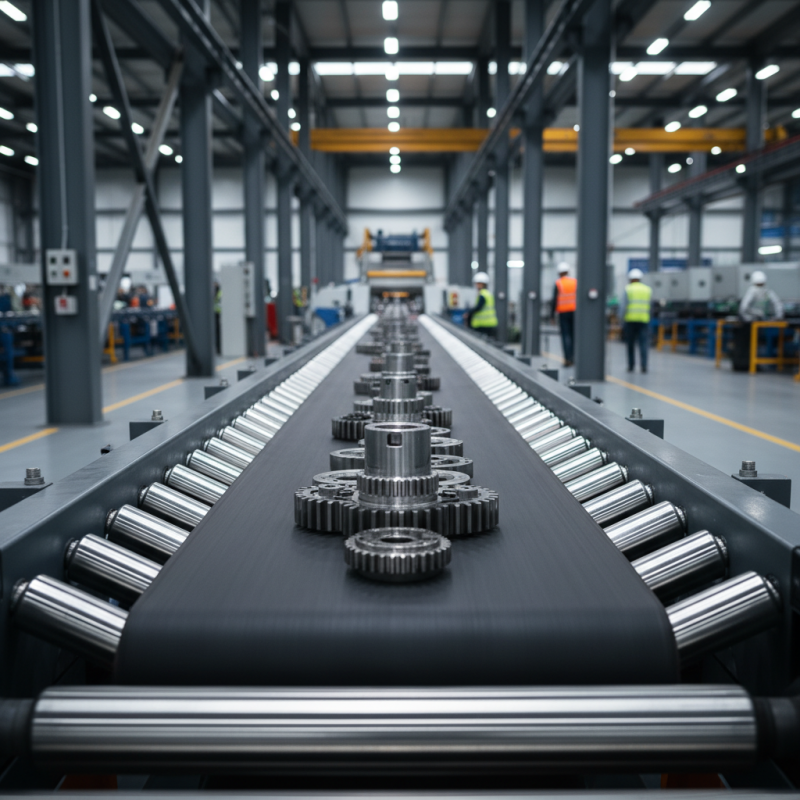
Functions of Conveyor Belt Rollers in Material Handling Systems
Conveyor belt rollers play a crucial role in material handling systems. They serve to support the weight of the conveyor belt and the materials being transported. Without these rollers, the entire system would struggle to function effectively. Rollers are usually made of durable materials to withstand constant wear and tear. Their design allows for easy rotation, which minimizes friction during operation.
Rollers can vary in size and shape, depending on the specific needs of the system. They can be found in different configurations, such as troughing or flat. The choice of roller type can significantly influence the efficiency of the conveyor. It's essential to regularly inspect rollers, as worn-out parts can lead to system failure. Sometimes, people overlook maintenance. This neglect can cause delays and increased operational costs.
Each roller contributes to the overall movement of materials. Their alignment is also vital; misalignment can lead to uneven wear on the belt. Keeping the system balanced is not always easy. It requires constant monitoring and adjustments. Failing to address these issues quickly can lead to a chain reaction of problems in the material handling process. Efficiency is key in logistics, and often, it starts with the simple design of conveyor belt rollers.
Types of Conveyor Belt Rollers and Their Distinct Roles
Conveyor belt rollers play a significant role in the efficiency of material handling systems. Different types of rollers serve distinct purposes. For instance, carry rollers support the weight of the conveyor belt and the cargo. They are often placed at regular intervals along the conveyor line. This spacing helps maintain a smooth transport of materials, reducing friction and wear.
Return rollers are equally important. They allow the belt to return to its starting point without sagging. This ensures a seamless loop, which is critical for maintaining productivity. Additionally, impact rollers are designed to cushion the load as it lands on the belt. This prevents damage to the belt and supports heavier loads.
Though these rollers seem straightforward, their performance can be affected by conditions like dust or misalignment. Regular maintenance is essential. Sometimes, even simple roller replacements can boost efficiency. Observing the wear and tear over time is important for long-term success. Designing a robust conveyor system requires careful consideration of roller types and their specific roles.
Types of Conveyor Belt Rollers and Their Distinct Roles
Importance of Proper Roller Alignment for Efficiency
Conveyor belt rollers play a crucial role in material handling systems. Proper roller alignment is vital for maintaining efficiency. Misalignment can lead to increased friction and wear. This results in more frequent maintenance and downtime.
Tips for achieving correct roller alignment include checking the entire conveyor system regularly. A slight misalignment can cause materials to shift or become stuck. Ensure all rollers are evenly spaced and properly supported. This simple check can prevent larger issues down the line.
Monitoring roller performance helps identify misalignment early. Listen for unusual noises or observe any changes in movement. Paying attention to these details can save time and resources. Regular maintenance and checks are essential. They enhance productivity and extend the lifespan of the entire conveyor system. Remember, small oversight can lead to significant setbacks. Your attention to detail matters.
Maintenance Practices to Enhance Roller Longevity
Conveyor belt rollers play a vital role in transporting materials efficiently. Proper maintenance practices significantly enhance their longevity. Regular inspections are crucial. Check for signs of wear and tear. Look for excessive noise during operation. This might indicate an underlying issue. Proper alignment also matters. Misaligned rollers can lead to uneven wear and increased friction.
Cleaning is another essential maintenance practice. Dust, dirt, and debris can accumulate. This accumulation can negatively affect roller performance. Use a soft brush or compressed air to clean them regularly. Lubrication is important, too. Apply the recommended lubricant to moving parts. This helps reduce friction and wear. However, avoid over-lubrication, which can attract dirt and create other problems.
Record-keeping can enhance maintenance efforts. Document your inspections and repairs. This habit helps identify recurring issues. It's an opportunity for reflection on the maintenance routine. Are you checking often enough? Are there patterns in wear? Addressing these questions leads to improved practices. Prioritizing roller care ensures efficient operations over time.
Impact of Roller Design on Conveyor Performance and Safety
Conveyor belt rollers play a crucial role in optimizing efficiency. Their design significantly impacts the overall performance and safety of the conveyor system. A well-designed roller can reduce friction and energy consumption. However, some rollers may wear out quickly, leading to maintenance challenges. This often causes unexpected delays in production.
When it comes to roller materials, choices can vary. Plastic rollers are lightweight and resistant to corrosion. Metal rollers offer durability but can add weight. The roller's diameter also matters; larger rollers distribute weight better but may require more power. These factors can influence how smoothly materials glide along the conveyor.
Safety is another consideration. Poorly designed rollers can lead to misalignment and accidents. It’s vital for operators to regularly inspect these components. Neglecting this could result in serious hazards. A periodic review of roller performance could help improve safety measures. Striving for the perfect design is complex, but necessary for effectiveness.
What is the purpose of conveyor belt rollers? - Impact of Roller Design on Conveyor Performance and Safety
| Roller Type | Material | Diameter (mm) | Length (mm) | Weight (kg) | Load Capacity (kg) | Application |
|---|---|---|---|---|---|---|
| Standard Roller | Steel | 100 | 500 | 10 | 1000 | General Material Handling |
| Impact Roller | Rubber | 120 | 600 | 15 | 1200 | Heavy Load Applications |
| Return Roller | Galvanized Steel | 90 | 500 | 8 | 800 | Belt Support |
| Guide Roller | Aluminum | 80 | 400 | 5 | 600 | Belt Alignment |