
What is a medical air purifier and how does it work?
In today's world, air quality is a growing concern, especially in healthcare settings. medical air purifiers play a crucial role in enhancing indoor air quality. Dr. Emily Nguyen, a leading expert in respiratory health, once remarked, "A medical air purifier can make a significant difference in infection control and patient recovery."
These devices utilize advanced filtration systems to capture harmful pathogens and allergens. They are designed to create a cleaner environment, essential for vulnerable patients. While many may assume all air purifiers are the same, medical air purifiers are specifically engineered for clinical use. They can filter out bacteria, viruses, and even fine particulate matter.
However, not all medical purifiers deliver the same performance. Some may fall short on efficiency or noise levels. It's important to assess your options carefully. Not every model lives up to the expectations. Therefore, continuous evaluation of air purifier effectiveness is necessary in the pursuit of better health outcomes.
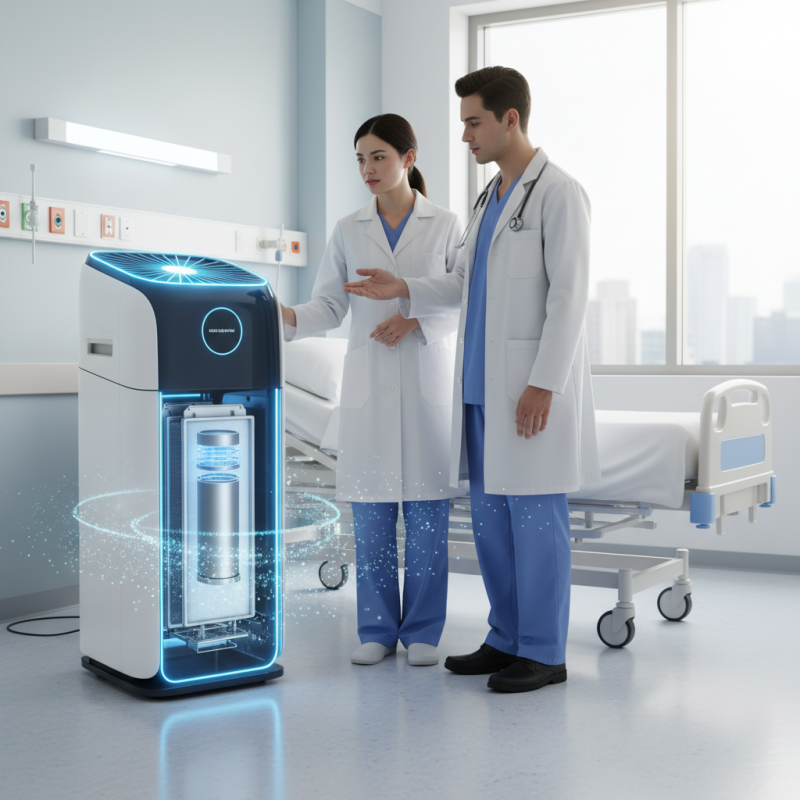
What is a Medical Air Purifier?
A medical air purifier is a specialized device designed to improve indoor air quality. It filters out harmful particles, allergens, and pathogens. Such purifiers are particularly important in healthcare settings. They help create a cleaner environment for patients and staff. By removing airborne impurities, they contribute to better respiratory health.
These devices use advanced filtration techniques. HEPA filters are common in medical units. They capture 99.97% of particles as small as 0.3 microns. Some models also use UV light to kill bacteria and viruses. This combination enhances air quality significantly. In hospitals or clinics, maintaining high air standards is essential. However, they are not a cure-all for airborne infections.
Tips: Regularly replace filters to ensure effectiveness. Monitor the air quality in your space. Consider using the purifier continuously in areas with high foot traffic. Remember, these devices work best alongside other hygiene practices. They can’t eliminate all risks, but they reduce them significantly. So, reflect on your air quality habits. Are they enough?
Key Features of Medical Air Purifiers
Medical air purifiers are designed to improve indoor air quality in healthcare settings. They focus on removing harmful particles and pathogens from the air. This is essential in hospitals, clinics, and even homes where people with respiratory issues live.
Key features of medical air purifiers include high-efficiency particulate air (HEPA) filters. These filters capture tiny particles, including allergens and bacteria. Some models also use ultraviolet (UV) light to kill germs. The combination of these technologies can significantly reduce the risk of airborne infections.
Another important aspect is the purifier's CADR rating. CADR stands for Clean Air Delivery Rate. A higher CADR means faster air purification. It’s crucial for areas with high foot traffic or vulnerable patients. Noise levels matter too. A quiet purifier helps maintain a calming environment, promoting better healing. However, some models can be noisy. It's a balance between efficiency and comfort that needs reflection. Choosing the right purifier means evaluating each feature carefully to meet specific needs.
How Medical Air Purifiers Work: Technology Explained
Medical air purifiers play a crucial role in maintaining clean air, especially in healthcare settings. These devices use advanced filtration technology to remove harmful particles from the air. They can capture bacteria, viruses, allergens, and other pollutants, making the environment safer for patients and staff alike.
The technology behind medical air purifiers often includes HEPA filters, which can trap tiny particles as small as 0.3 microns. Some units also use ultraviolet (UV) light to eliminate microorganisms. This dual approach enhances air quality effectively.
However, not all devices are created equal. Some may struggle with larger volumes of air, while others might require frequent filter changes, which can be inconvenient.
Additionally, it's important to note that air purifiers are not a cure-all solution. They cannot replace proper ventilation or regular cleaning routines. Users should regularly assess their device’s performance and ensure it meets specific needs. A brief review of the device's capabilities might reveal areas for improvement. This reflection can lead to better choices in maintaining a healthy environment.
Benefits of Using Medical Air Purifiers in Healthcare Settings
Medical air purifiers are essential in healthcare settings. They improve indoor air quality by filtering out harmful particles. These devices remove bacteria, viruses, and allergens from the air. By creating a cleaner environment, they help reduce the risk of infections. This is especially important in hospitals and clinics.
Using medical air purifiers can significantly benefit patients and healthcare workers. With fewer airborne pathogens, the spread of illnesses decreases. This is crucial for vulnerable patients, like those undergoing surgeries. However, relying solely on air purifiers may be insufficient. Regular cleaning and proper ventilation remain vital.
Healthcare facilities must recognize that air purifiers are not a cure-all. They offer additional safety but cannot replace standard hygiene practices. Even with advanced technology, awareness and vigilance are key. A comprehensive approach is necessary for optimal health outcomes.
Benefits of Using Medical Air Purifiers in Healthcare Settings
Common Applications of Medical Air Purifiers in Daily Life
Medical air purifiers are becoming increasingly common in various settings of daily life. These devices are designed to filter out airborne contaminants, promoting cleaner air. They are especially useful in places like hospitals, clinics, and even homes. Their ability to capture dust, allergens, and pathogens makes them invaluable for individuals with respiratory issues.
In hospitals, the use of medical air purifiers helps create a safer environment for patients. Surgeries and treatments often generate particles that could lead to infections. These purifiers work around the clock, filtering air and reducing risks. Additionally, they are also useful in daycares and nursing homes. In these spaces, protecting vulnerable populations is crucial. Children and the elderly can benefit significantly from cleaner air.
However, reliance on air purifiers has its downsides. Some people may neglect other important hygiene practices. It’s easy to assume that air purifiers replace the need for ventilation or regular cleaning. While they help, they are not a cure-all. Fresh air and good hygiene remain essential in maintaining health. Balancing these practices is key to fully benefiting from medical air purifiers.