
How to Treat Venous Ulcers?
Venous Ulcers can look like small, stubborn wounds, but their treatment reaches beyond the skin. Often found near the inner ankle, they may cause aching, swelling, and persistent drainage. Healing usually requires attention to the underlying venous disease, not just a fresh dressing. That distinction matters.
“Wound care is a team sport,” says Dr. Robert Kirsner, a dermatologist and wound-care specialist. His concise observation fits venous ulcer care well: clinicians may need to assess circulation, manage swelling, protect the wound, and support the person living with it. Compression is commonly central to treatment, but it should follow an appropriate circulation assessment. A plan that ignores arterial blood flow may be unsafe. Small details count, too: the fit of a bandage, the condition of nearby skin, and whether swelling worsens by evening.
This guide explains how clinicians evaluate Venous Ulcers and choose practical treatment options, including compression, wound dressings, movement, and follow-up. It also covers warning signs that need prompt medical attention. No single dressing fixes every cause. And progress can be uneven. That part is easy to underestimate. A wound may shrink, then stall; care may need review rather than blame. Treatment decisions should be made with a qualified health professional, especially when pain, infection concerns, or circulation problems are present.
Assessing the Ulcer and Confirming Venous Disease
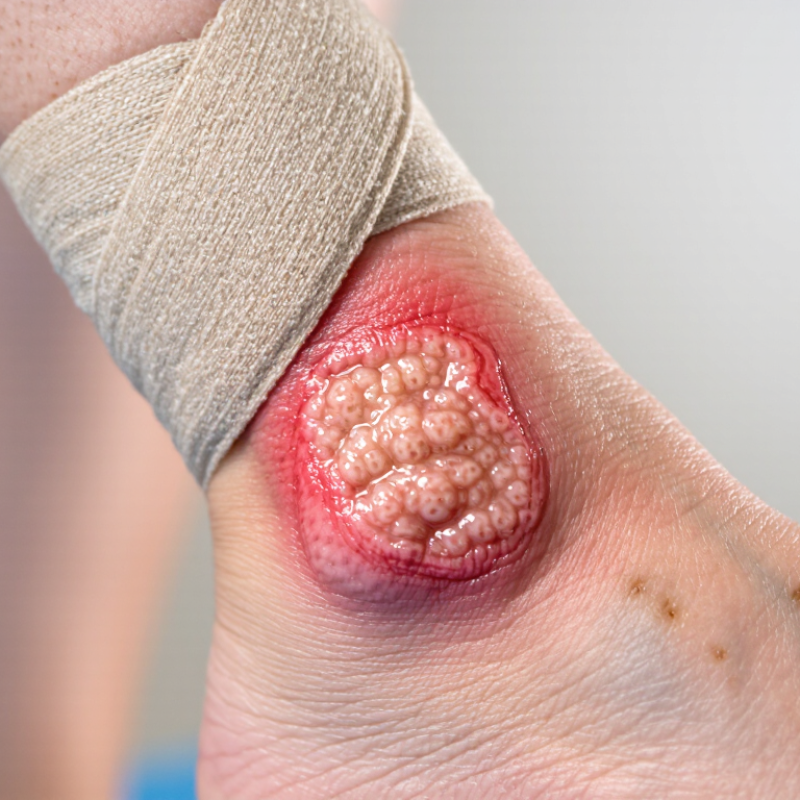
A venous ulcer often appears near the inner ankle, where skin may look dark, dry, or itchy. The wound can have shallow, uneven edges and produce fluid that dampens a dressing. Ask when it began, whether it has healed before, and what makes swelling or discomfort worse. Details matter.
Examine both legs, not just the wound. Note swelling, visible veins, skin changes, warmth, tenderness, and the ulcer’s size and depth. Check foot pulses and temperature too. A venous-looking wound does not rule out reduced arterial blood flow, infection, or another cause. One sign can mislead; the full picture matters.
An ankle-brachial pressure index can help assess arterial circulation before compression is considered. A clinician may also request duplex ultrasound to check blood flow and identify reflux or obstruction in the leg veins. Record measurements and photographs, with consent, to track change over time. Results need context: swelling, mixed disease, or a difficult examination can make assessment less certain. If findings do not fit, or the wound fails to improve, review the diagnosis and consider further evaluation.
Improving Blood Flow Through Compression Therapy
How to Treat Venous Ulcers?
Improving Blood Flow Through Compression Therapy
Compression therapy helps manage venous ulcers by supporting blood flow from the lower legs back toward the heart. A properly fitted wrap or stocking applies controlled pressure, which can reduce fluid buildup and swelling around the ankle. Fit matters. The right level depends on the person’s circulation, wound, and health history, so a clinician should assess the leg before compression begins. It is not suitable for everyone, especially people with significant arterial circulation problems.
Wound care usually continues alongside compression. A nurse or clinician may clean the ulcer, apply a dressing, and show how to keep the wrap in place. Tell the care team if the wrap slips, feels painfully tight, or causes new numbness, or if the toes become cold, pale, or blue. These changes need prompt attention. A tight bandage is not automatically better.
Gentle walking and ankle movements can also help the calf muscles push blood upward, if these activities are safe for you. Elevating the legs while resting may ease swelling, but it does not replace prescribed compression. Healing can wobble. Some days the swelling looks better; other days, a long period of sitting may bring it back. Keep follow-up visits, and report changes rather than adjusting compression on your own.
Cleaning the Wound and Supporting Healing
A venous ulcer needs gentle cleaning and a plan for the circulation problem beneath it. Wash your hands, then rinse the wound with sterile saline or clean running water. Pat the surrounding skin dry; do not scrub fragile tissue. It is easy to over-clean. Routine use of harsh antiseptics can irritate healing skin, so ask a clinician before applying them. A suitable dressing should manage drainage without letting the wound bed dry out. Keep it gentle.
Compression often supports healing, but arterial blood flow should be assessed before treatment begins. A clinician may check circulation with an ankle-brachial pressure index and select a safe compression level. A 2021 Cochrane review found compression probably increased the chance of healing within 12 months compared with no compression (risk ratio 1.77; 95% confidence interval 1.41–2.21). This is useful evidence, not a reason to self-bandage. Seek prompt medical advice for spreading redness, increasing warmth, worsening pain, fever, or sudden changes in drainage. Photographing the wound weekly can help track progress, though lighting and angle can mislead. Cite: Cochrane Database of Systematic Reviews, 2021, CD013397.
How to Treat Venous Ulcers? - Cleaning the Wound and Supporting Healing
| Care area | Practical approach | Important considerations |
|---|---|---|
| Clinical assessment | Have a healthcare professional assess the ulcer, circulation, swelling, and overall health before starting a treatment plan. | Compression is often central to venous-ulcer care, but arterial blood flow should be assessed first to help determine whether compression is safe and what level is appropriate. |
| Cleaning the wound | Gently rinse the wound with sterile saline or clean potable tap water, following the care plan. Pat the surrounding skin dry. | Avoid scrubbing or using strong antiseptics routinely unless specifically directed by a clinician; they may irritate tissue and hinder healing. |
| Dressings | Use a dressing recommended for the wound’s amount of drainage and change it as instructed. The aim is to protect the wound and maintain a suitably moist environment. | There is no single dressing that is best for every venous ulcer. Seek advice if a dressing sticks, causes irritation, or becomes saturated. |
| Compression and swelling | When clinically appropriate, use prescribed compression bandages or garments and follow instructions for application and wear. | Contact a healthcare professional promptly if compression causes new numbness, increasing pain, cold or discolored toes, or other concerning changes. |
| Leg elevation and movement | When resting, elevate the legs when practical. Regular walking and ankle movements can support calf-muscle pumping if these activities are safe for you. | Adapt activity to mobility, pain, and other health conditions; ask a clinician for suitable exercises if unsure. |
| Skin protection | Keep the surrounding skin clean and moisturized with a suitable emollient, avoiding application directly into the wound unless advised. | Venous skin can be fragile and itchy. Try not to scratch, and tell a clinician about a new rash or skin irritation. |
| Infection monitoring | Watch for spreading redness or warmth, increasing pain, worsening swelling, pus, or a sudden increase in wound drainage. | Seek medical advice if these signs appear. Fever, feeling very unwell, or rapidly spreading redness warrants urgent assessment. |
| Follow-up and healing | Attend planned reviews so the wound and treatment can be reassessed and adjusted. Report changes in size, drainage, pain, or skin condition. | Healing time varies. Persistent or worsening ulcers need clinical reassessment, including review of circulation and the underlying cause. |
Care note: This table provides general information, not a personal diagnosis or treatment plan. Follow advice from a qualified healthcare professional, especially before using compression.
Treating Infection and Related Medical Conditions
How to Treat Venous Ulcers?
Treating Infection and Related Medical Conditions
A venous ulcer can carry bacteria without being infected. NICE’s antimicrobial prescribing guideline advises against antibiotics unless signs such as spreading redness, warmth, worsening pain, or fever are present. A swab alone is not enough. Clean the wound, note changes in drainage and surrounding skin, and seek clinical assessment if symptoms worsen. When antibiotics are prescribed for an infected leg ulcer, NICE recommends a seven-day course, with review if improvement has not begun within two to three days. Small details matter.
Infection is only part of the picture. Poor circulation, diabetes, swelling, and limited mobility can delay healing, so clinicians may check pulses, blood glucose, and ankle-brachial pressure before choosing treatment. The 2022 European Society for Vascular Surgery guidelines caution against compression when the ankle-brachial index is below 0.6, or ankle pressure is below 60 mmHg. Compression can help venous disease, but it is not a safe guess. A tidy dressing can hide worsening redness; I would not treat appearance alone as proof of progress. Report spreading redness, fever, or sudden increased pain promptly.
How to Treat Venous Ulcers? — Treating Infection and Related Medical Conditions
Ankle-brachial index (ABI) ranges commonly used to guide compression decisions for venous leg ulcers.
ABI helps assess arterial circulation before compression is selected. These are commonly used thresholds; clinical guidance and local protocols may differ. A low ABI may require vascular assessment and reduced or no compression, while a high ABI can indicate arteries that are difficult to compress and may need further testing. Treat venous disease and edema as part of wound care. Antibiotics are generally reserved for ulcers with clinical infection, such as spreading redness, warmth, increasing pain, or fever—not colonization alone. A clinician should assess the wound and related conditions.
Monitoring Recovery and Preventing Recurrence
How to Treat Venous Ulcers?
Monitoring Recovery and Preventing Recurrence
Healing is often gradual, so track changes rather than expecting quick results. At clinic visits, a nurse or clinician may measure the wound and check its depth, drainage, pain, and surrounding skin. A dated photo, taken with consent and in similar lighting, can help show changes over time. Keep a simple record. Note new odor, increasing pain, or redness that spreads beyond the wound.
Measurements can vary slightly between visits; a ruler does not tell the whole story. What matters is the pattern. Contact a healthcare professional if the ulcer grows, becomes more painful, or shows signs of infection, such as warmth, pus, or spreading redness. Fever needs prompt medical attention. Do not change compression on your own. A clinician should assess circulation and advise what level is safe.
After healing, recurrence remains possible. Wear prescribed compression as directed, and ask for a review if it becomes uncomfortable or difficult to use. When resting, raise your legs if advised. Regular walking can activate the calf muscles and support blood flow. Protect the skin from knocks, and moisturize dry areas around the healed site, not inside an open wound. Small skin cracks matter. Check your lower legs regularly, even when they look fine.