
How to Choose the Best HIFEM Slimming Machine in 2026?
Choosing the best HIFEM Slimming Machine in 2026 requires more than comparing prices or attractive product photos. Buyers should examine clinical evidence, operating parameters, applicator design, user training, and manufacturer transparency. A reliable device should clearly explain its intended use, safety limits, treatment duration, and expected outcomes. Vague promises deserve careful questioning.
Real-world experience matters. Ask how the machine performs during repeated sessions, not only during a showroom demonstration. Check whether applicators sit comfortably on different body areas. Review the control interface, cooling needs, cleaning process, and maintenance schedule. A dependable supplier should provide technical support, staff education, warranty terms, and accessible documentation. Certification requirements also vary by country, so local compliance must be verified before purchase.
Small details can reveal larger risks. Loose cables, unclear error messages, or inconsistent energy delivery may affect daily operation. Independent reviews can help, but they should not replace professional assessment. Results may differ because of body composition, treatment settings, lifestyle, and practitioner technique. No machine guarantees identical outcomes.
That is the uncomfortable part.
Even a well-designed device may not suit every client. Operators must screen users carefully and follow current safety guidance. Some marketing claims may sound impressive but remain poorly supported. A thoughtful selection process accepts uncertainty, compares evidence, and records practical feedback after each session. This guide will examine the features, costs, safety considerations, and long-term value that define a responsible HIFEM Slimming Machine purchase in 2026.
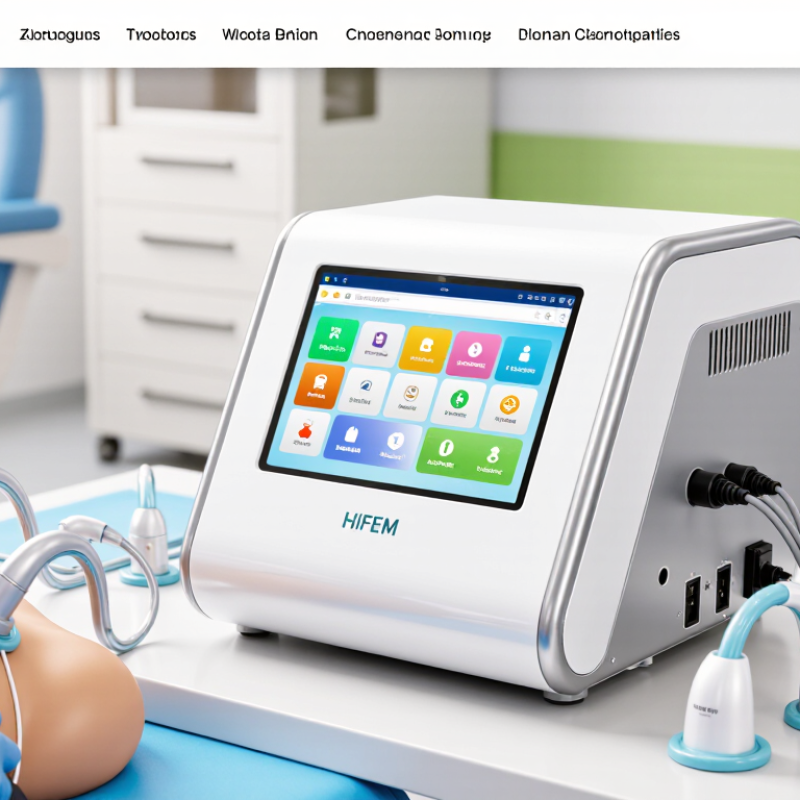
What Is HIFEM Technology and How Does It Support Body Sculpting?
HIFEM, or high-intensity focused electromagnetic technology, stimulates motor neurons beneath the skin. This creates repeated muscle contractions that ordinary exercise may not easily reproduce. During treatment, the area can feel like rapid, powerful flexing. Research suggests HIFEM may support muscle toning and modest changes in body contour. It is not a replacement for nutrition, movement, or medical weight management. HIFEM targets muscle engagement, not general fat loss.
When choosing a machine in 2026, examine its energy controls, applicators, safety monitoring, and published clinical evidence. Ask whether the operator has suitable training and records each client’s screening results. A proper consultation should discuss pregnancy, implanted electronic devices, seizure history, metal implants, and other contraindications. Follow applicable medical-device regulations. Results differ with muscle condition, treatment schedules, and lifestyle. I would request realistic before-and-after records using similar lighting and time intervals. Marketing images can mislead. Some evidence also remains limited, so strong claims deserve careful questioning.
Tips: Start with a qualified assessment. Confirm the device’s maintenance records and adjustable intensity. The highest setting is not always the best choice. Report unusual pain immediately. Track measurements, photographs, and comfort after each session. Not every machine feels the same. A cautious provider should explain expected sensations, possible limitations, and when treatment should be postponed.
How to Choose the Best HIFEM Slimming Machine in 2026? - What Is HIFEM Technology and How Does It Support Body Sculpting?
| Evaluation dimension | What to check | Evidence-based guidance | Practical selection tip |
|---|---|---|---|
| How HIFEM works | Whether the technology induces muscle contractions using high-intensity focused electromagnetic fields. | HIFEM is intended to stimulate motor nerves and produce repeated muscle contractions. It is not the same as exercise and does not replace physical activity. | Ask the provider to explain the treatment mechanism and the specific intended use of the device. |
| Body-sculpting goals | Which body area is treated and whether the goal is muscle conditioning, appearance, or both. | HIFEM treatments are marketed for muscle stimulation and body contouring. Results can vary, and evidence for outcomes depends on the device, treatment protocol, and individual. | Choose a device and treatment plan that match your goal; do not assume it is a weight-loss treatment. |
| Regulatory status and intended use | Applicable clearance or authorization in your country, and the exact indications covered. | Regulatory status is specific to a device and jurisdiction. Clearance for a particular use does not establish that every device or advertised claim has the same status. | Request official documentation and verify it with the relevant national regulator. |
| Treatment protocol | Session duration, number and spacing of sessions, and how settings are adjusted. | Protocols differ among devices and clinical studies. There is no single session schedule that can be assumed to suit everyone. | Look for a written, individualized plan rather than a guaranteed or one-size-fits-all schedule. |
| Applicator fit and coverage | Applicator design, intended treatment areas, positioning, and fit for different body shapes. | Treatment coverage and comfort depend on the device design and correct placement. Applicator count alone does not establish better results. | Ask for a demonstration of positioning and whether the applicator is suitable for the intended area. |
| Safety screening | A health-history review, device-specific contraindications, and qualified supervision. | Strong electromagnetic fields may be unsuitable for people with certain implanted electronic or metal devices. Contraindications vary by device and must be checked in its instructions for use. | Disclose implants, medical conditions, pregnancy, and other relevant health information before treatment; follow the clinician’s advice. |
| Expected sensations and downtime | What contractions may feel like, how intensity is increased, and what after-effects to expect. | People may experience strong muscle contractions during treatment and temporary muscle soreness afterward. Experiences vary. | Confirm that treatment can be adjusted and that staff explain when to stop and report discomfort. |
| Evidence and outcome tracking | Published research relevant to the device and use, plus consistent before-and-after measurement methods. | Study results should be interpreted in context; small or device-specific studies may not predict an individual’s outcome. Photographs alone can be affected by lighting and posture. | Ask how outcomes are measured and whether claims are supported by evidence for that specific device. |
| Maintenance and service | Operator training, maintenance schedule, warranty, and access to technical support. | Correct operation and maintenance are important for consistent use. Requirements vary by manufacturer and device model. | Review the service terms, training requirements, and maintenance documentation before purchasing. |
| Realistic expectations | Whether claims promise specific fat loss, permanent results, or a substitute for diet and exercise. | Body-contouring results are not guaranteed, may be modest, and may require maintenance. HIFEM should not be represented as a general weight-loss solution. | Be cautious of guaranteed outcomes; discuss suitability and alternatives with a qualified healthcare professional. |
Note: HIFEM device features, intended uses, protocols, and contraindications differ. Confirm details in the device’s official instructions for use and consult a qualified healthcare professional before treatment.