
What is Composite Wpc and Why is it Popular for Global Buyers?
Composite Wpc, or wood-plastic composite, has gained immense traction among global buyers. This innovative material combines the durability of plastic with the natural beauty of wood. Many consider it an ideal choice for decking, fencing, and outdoor furniture. Its appealing aesthetics and practical benefits are hard to overlook.
Manufacturers emphasize that Composite WPC is resistant to moisture, rot, and pests. This resilience reduces the need for frequent maintenance, making it a cost-effective option in the long run. The material is also eco-friendly, as it often contains recycled plastics and wood fibers. However, some buyers still have concerns about its long-term performance.
Additionally, the market is flooded with various brands, making it challenging to choose the best option. Different products may vary in terms of quality and environmental impact. It is crucial to research and compare options to make informed decisions. Understanding the nuances of Composite WPC can significantly enhance the overall buying experience.
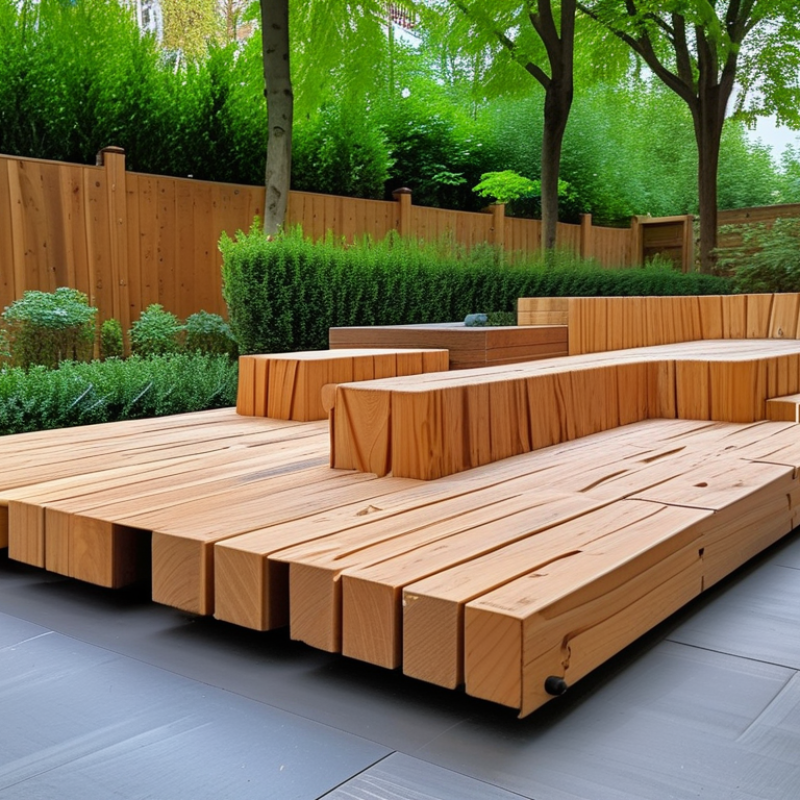
What is Composite WPC and Its Composition Elements
Composite WPC, or Wood Plastic Composite, has gained significant attention in recent years. This versatile material combines wood fibers with thermoplastics, offering a unique blend of properties. Commonly used in outdoor applications, it is lightweight yet durable. WPC is resistant to moisture, making it ideal for decking, fencing, and furniture.
The composition of Composite WPC typically includes around 50% wood flour, 30% thermoplastics, and various additives. These additives enhance its performance, improving resistance to UV rays and mold. The wood element provides a natural look, while the plastic contributes to its strength. This combination addresses the environmental concerns associated with lumber usage. However, sourcing quality wood and plastic can be challenging.
Despite its many advantages, Composite WPC is not without its drawbacks. Some users report that while it is low maintenance, it can fade over time and may require periodic staining. The manufacturing process also raises questions about sustainability, as the plastic component is derived from petroleum. Addressing these issues is essential for manufacturers. Improving the durability and eco-friendliness of Composite WPC remains a key focus for further development in the industry.
What is Composite WPC and Why is it Popular for Global Buyers?
| Element | Description | Benefits |
|---|---|---|
| Wood Fiber | Natural fibers from wood that provide strength and aesthetics. | Eco-friendly and sustainable material. |
| Plastic Polymer | Synthetic material that offers durability and moisture resistance. | Long-lasting and resistant to rot and insects. |
| Additives | Chemical compounds that enhance properties like UV resistance and color stability. | Improves longevity and maintains appearance over time. |
| Recycled Materials | Incorporating recycled plastic and wood materials. | Reduces waste and environmental impact. |
| Manufacturing Process | Combines wood fibers and plastics through heat and pressure. | Allows for customizable shapes and designs. |
Key Properties of Composite WPC That Enhance Its Market Appeal
Composite wood-plastic composites (WPC) have become increasingly popular among global buyers due to their unique properties. One of the key characteristics is durability. Research indicates that WPC materials can last up to 25 years with minimal maintenance. This longevity is appealing to buyers who seek long-term investments.
Another important property is sustainability. WPC products often incorporate recycled materials, reducing waste. According to a recent industry report, the global WPC market is projected to grow by 11.6% annually, reflecting rising environmental awareness among consumers. This trend suggests that buyers favor products that minimize environmental impact.
Moisture resistance is also a significant factor. WPCs are less prone to warping, splitting, or swelling compared to traditional wood. The versatility in design and color further enhances their market appeal. Customized WPC solutions cater to diverse design preferences, making them suitable for various applications. However, despite these advantages, not all WPC products perform equally well, and buyers must consider quality and specifications.
Comparative Analysis: Composite WPC vs. Traditional Materials
Composite WPC (Wood-Plastic Composite) has gained immense popularity among global buyers. It combines the durability of plastics with the aesthetics of wood. This blend offers unique advantages over traditional materials, signaling a shift in consumer preferences.
When we compare Composite WPC to traditional wood, the differences become clear. Composite WPC is significantly more resistant to moisture, rot, and pests. Traditional materials often require regular maintenance, while WPC stands strong against the elements. However, some people find it lacks the authenticity and warmth of real wood.
Another key aspect is sustainability. Composite WPC often contains recycled materials, making it an eco-friendly choice. Traditional materials, when harvested unsustainably, can harm forests. Yet, some consumers worry about the long-term environmental impact of plastic components in WPC. Overall, each material has its own merits and drawbacks. Choosing between them requires thoughtful consideration of both practical needs and ethical concerns.
Current Market Trends and Growth Projections for Composite WPC
In recent years, composite wood-plastic (WPC) has gained immense popularity among global buyers. The market for composite WPC is expected to grow significantly, driven by increasing demand for sustainable building materials. According to a recent market analysis by Research and Markets, the global WPC market is projected to reach USD 9.57 billion by 2027, growing at a CAGR of 11.5% from 2020 to 2027.
Current trends highlight a shift towards eco-friendly products. Consumers increasingly prefer materials that reduce environmental impact. This shift has benefited WPC, as it is made from recycled plastics and wood fibers. Industry reports indicate that the residential construction sector is the largest contributor to WPC demand, accounting for over 50% of the market share. Decking, railing, and flooring applications are particularly popular.
However, the WPC market faces challenges. Some products experience issues with durability and UV resistance. Buyers must be cautious when selecting materials. Ongoing research aims to improve these aspects, ensuring the longevity and performance of WPC products. As manufacturers innovate, the industry will likely continue to evolve and meet changing consumer needs.
Factors Driving Global Demand for Composite WPC Products
Composite Wood Plastic Composite (WPC) is gaining traction in the global market. Various factors contribute to its rising popularity among buyers. One significant aspect is the growing demand for sustainable building materials. A report by MarketsandMarkets highlights that the global WPC market is projected to reach USD 9 billion by 2025, driven by increasing environmental concerns. Buyers increasingly prioritize eco-friendly materials, leading to a surge in WPC usage.
Another contributing factor is the versatility of composite WPC products. They are used extensively in decking, fencing, and furniture. This adaptability attracts developers and homeowners alike. According to a 2022 study by Grand View Research, the demand for composite materials in outdoor applications is expected to grow at a CAGR of 13.2% from 2023 to 2030. Its durability and low maintenance needs further enhance its appeal.
Despite its many advantages, some challenges remain. The initial cost can be higher than traditional materials. This factor may deter budget-conscious consumers. Additionally, the long-term performance in extreme weather conditions can vary. This aspect requires careful consideration from buyers. Overall, the benefits of composite WPC products are considerable, though certain limitations should prompt further examination.