
How to Choose the Right UHF RFID Textile for Your Business?
The selection of uhf rfid textile solutions can significantly impact business efficiency. According to a report by Allied Market Research, the global RFID market size is projected to reach $40.74 billion by 2028, with textiles emerging as a promising sector. This growth is driven by the rising demand for supply chain transparency and inventory management in various industries.
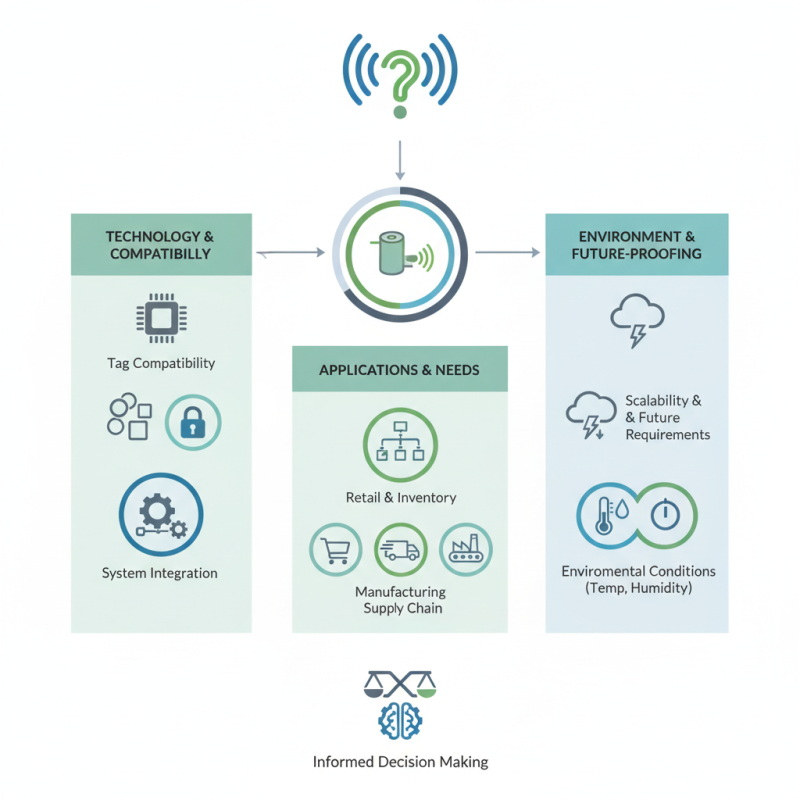
Choosing the right UHF RFID textile involves understanding not just the technology but also its applications. In retail, logistics, and manufacturing, companies are leveraging UHF RFID textiles to streamline operations. However, this process is not without challenges. Factors such as tag compatibility and environmental conditions can affect performance. Companies need to consider these variables carefully to avoid costly mistakes.
Businesses should also evaluate their specific needs. Each application may require different RFID implementations. Conducting thorough research can ensure that the chosen UHF RFID textile aligns with both current and future requirements. Balancing these elements is key to harnessing the full potential of UHF RFID technology in a business context.
Understanding UHF RFID Technology and Its Application in Textiles
UHF RFID technology has transformed various industries, with textiles being a prime example. It enhances inventory management, improves traceability, and reduces theft. According to a report by Grand View Research, the global RFID market in retail was valued at around $9.3 billion in 2022. This indicates a growing reliance on UHF RFID, particularly in the textile sector.
In textiles, UHF RFID tags can carry significant amounts of data, interfacing seamlessly with inventory systems. These tags help track garments from production to sale, increasing efficiency dramatically. A study by the RFID Research Center highlighted that retailers using UHF RFID saw a 30% reduction in inventory management costs. This statistic emphasizes the technology's potential in streamlining operations.
While the benefits are evident, challenges remain. Not all textiles are compatible with RFID tags, and costs can vary. Additionally, the learning curve for staff can be steep. Many businesses struggle to implement these systems effectively, often leading to suboptimal results. Hence, thorough research and professional consultation become essential when selecting UHF RFID solutions for textile applications.
How to Choose the Right UHF RFID Textile for Your Business?
| Feature | Description | Applications |
|---|---|---|
| Frequency Range | UHF RFID operates between 860 MHz and 960 MHz, enabling long-range communication. | Ideal for inventory management and asset tracking. |
| Read Range | Typical read range of 1 to 12 meters depending on the environment and reader power. | Used in warehouse management and retail applications. |
| Material | Fabrics can be woven with RFID tags, which can be made of various materials like polyester or nylon. | Commonly used in clothing tags, uniforms, and laundry management. |
| Durability | RFID textiles can be designed to withstand washing and harsh conditions. | Essential for logistics and textile rental services. |
| Cost | Cost varies based on the complexity of the solution, including the tag and reader systems. | Important for budget planning in large-scale implementations. |
| Integration | Ability to integrate with existing inventory and enterprise resource planning systems. | Critical for seamless operation across different departments. |
Key Factors to Consider When Selecting UHF RFID Textile Materials
When selecting UHF RFID textile materials for your business, several key factors must be considered. The durability of these textiles is crucial, especially in environments subject to wear and tear. According to recent reports, 65% of businesses note that selecting robust materials greatly reduces equipment failure. A careful evaluation of fabric strength and RFID compatibility is essential.
Temperature resistance is another vital factor. RFID tags embedded in textiles need to withstand a range of temperatures without losing functionality. Some studies indicate material failure can occur at temperatures beyond 85°C. Businesses should consider testing materials under expected operating conditions.
Tips for making the right choice include evaluating the intended use of the textiles. Will they be used in harsh conditions? Understanding your specific needs helps narrow down the choices. Additionally, assess the tag readability; approximately 75% of industries reported improved inventory management with effective tag placement. Engaging with industry experts can provide valuable insights to refine your selection process. Be open to exploring different combinations of materials, as this may yield better performance than standard options.
UHF RFID Textile Selection Factors
Market Insights: The Growth of UHF RFID in the Textile Industry
The textile industry is rapidly embracing UHF RFID technology. This growth signifies a shift towards efficiency and enhanced tracking. Companies are discovering the benefits of integrating RFID into their operations. They see improvements in inventory management and customer satisfaction. These advances make RFID a valuable asset.
When selecting UHF RFID solutions, consider your business size and goals. Analyze your current processes. Identify gaps where RFID can add value. Test various textile materials that suit your needs. Not all fabrics respond the same way to RFID tags. Finding the right match can enhance performance and durability.
Tips: Focus on compatibility with your existing systems. Train staff on new technologies to minimize resistance. Monitor the implementation closely to understand challenges. Adjust strategies based on real-world feedback. This process requires patience and continuous improvement to reap maximum benefits.
Comparative Analysis of Leading UHF RFID Textile Suppliers
When selecting UHF RFID textiles for business, it’s essential to evaluate leading suppliers thoroughly. Each supplier offers unique features that can significantly impact your operations. A close look at their product specifications reveals varying read ranges, durability, and environmental resistance. It’s crucial to consider the specific needs of your business and the environments these textiles will face.
Supplier A may excel in durability, ideal for rugged applications. In contrast, Supplier B provides textiles with enhanced readability in challenging conditions. However, some suppliers may struggle with consistency in production quality. This can lead to mixed results in performance, impacting your overall efficiency. Engaging with your suppliers can shed light on past client experiences.
Additionally, pricing strategies across suppliers can lead to confusion. While lower costs may be tempting, they don’t always translate to reliability. The long-term impact of poor-quality textiles can outweigh initial savings. Reflecting on your priorities—whether it’s performance or budget—is an essential part of this selection process. Aim for a balance that supports sustainability and operational effectiveness.
Evaluating Cost vs. Performance for UHF RFID Solutions in Business
When selecting UHF RFID textile solutions for your business, evaluating cost versus performance is essential. Costs can vary significantly based on technology and application. Often, cheaper options come with trade-offs in performance. For instance, lower-cost RFID tags may not read accurately in all conditions, which can lead to inventory discrepancies. On the other hand, investing more in higher-performance solutions can enhance operational efficiency and reduce errors.
Performance metrics such as read range and durability are crucial. Businesses should assess their specific use cases. Will the tags be exposed to harsh environments? How often will they be read? These factors influence not just the initial investment, but also long-term benefits. Quality tags may have a higher upfront cost but might reduce replacement rates and improve data accuracy. Regularly revisiting these choices can illuminate areas for improvement or cost savings.
Finding the right balance is not easy. It's important to test different options before committing to a bulk order. Pilot programs can provide insight into the practical aspects of RFID in your workflow. Remember, an ideal solution isn't always the most expensive one. Tailoring your choice to your unique needs ensures that you maximize the value of the UHF RFID textiles you select.