
Top Tips for Choosing the Best AC EV Charger for Your Needs?
Choosing the right AC EV Charger is crucial for electric vehicle owners. With various options available, making an informed decision can seem overwhelming. It's essential to focus on features that match your specific requirements. A well-chosen AC EV Charger can enhance your charging experience and ensure vehicle efficiency.
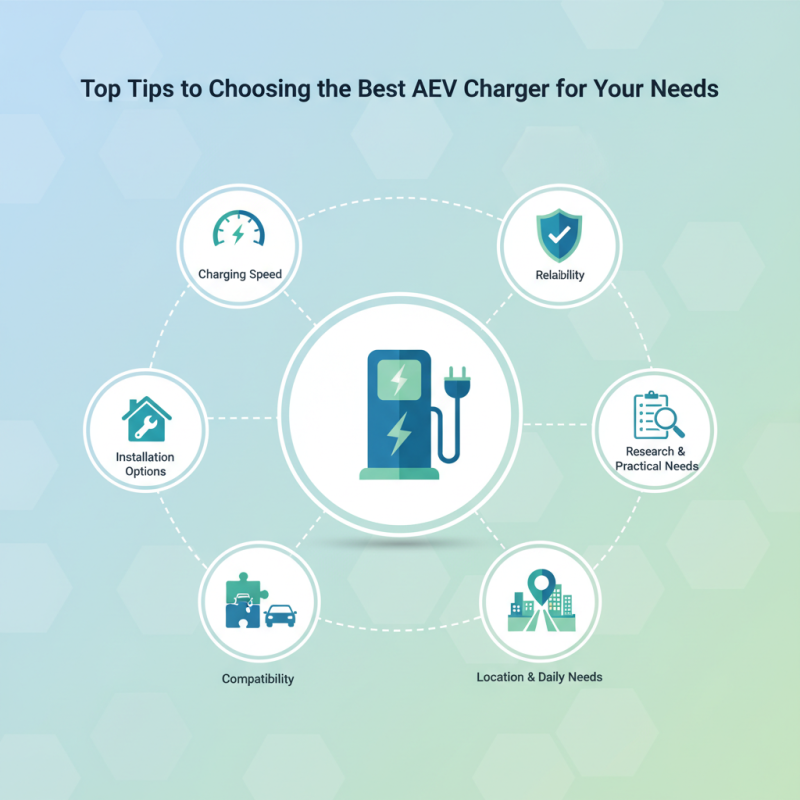
Consider factors like charging speed, compatibility, and installation options. Some models offer faster charging but may require a hefty installation fee. Reliability is key; a charger should perform well in different conditions. Look for user reviews to gauge performance and satisfaction.
Your location also plays a role in your choice. Urban areas may demand different features compared to rural settings. Evaluate your daily driving needs and how they align with charger capabilities. Keep in mind that not all AC EV Chargers are created equal. Make your choice based on thoughtful research and practical needs, not just on brand popularity or price. Balancing these elements will lead you to the best solution for you.
Understanding the Different Types of AC EV Chargers Available Today
When choosing an AC EV charger, understanding the types available is crucial. Level 1 chargers are the simplest. They use a standard household outlet. While convenient, they charge slowly, making them ideal for overnight home use. Many drivers find them sufficient for low daily mileage. However, patience is required.
Level 2 chargers are more common for homes and public spaces. They deliver faster charging times, using a dedicated circuit. This type significantly reduces the time spent charging. Many installations require professional support. It's important to assess your property’s electrical capacity. Some locations may lack the necessary infrastructure.
DC fast chargers are game-changers for long trips. They offer rapid charging, often reaching 80% in under 30 minutes. However, they are less common for home use. Installation can be complex and costly. Not every EV is compatible with this type, leading to potential frustration. Make sure to evaluate your vehicle's charging capabilities and your lifestyle needs carefully.
Key Specifications to Consider for Optimal Charging Performance
When selecting an AC EV charger, key specifications are crucial for achieving optimal performance. One significant aspect to evaluate is the charging speed, often measured in kilowatts (kW). The average home charger ranges between 3.7 kW and 22 kW. A faster charger can significantly reduce the time your vehicle spends plugged in. According to recent industry reports, a Level 2 charger can recharge an EV in 4-8 hours, depending on battery capacity.
Another important factor is compatibility with different vehicle models. Many EVs support Type 1 or Type 2 charging ports. It's vital to check which type your vehicle requires. Additionally, look for chargers equipped with adjustable amperage settings. This feature provides flexibility, allowing you to manage energy consumption based on your household's electrical capacity.
Tip: Always assess installation requirements based on your home’s electrical system. Some homes may require an upgrade to accommodate higher-grade chargers. This can involve additional costs and planning.
Efficiency ratings also matter. Some chargers include energy consumption metrics, which can help track savings. Inadequate consideration of these specs might lead to suboptimal charging, impacting your driving schedule. Ensure you choose a charger that aligns with both your current needs and future upgrades.
Evaluating Charging Speed: Level 1 vs Level 2 AC EV Chargers
When choosing between Level 1 and Level 2 AC EV chargers, charging speed is critical. Level 1 chargers use standard 120-volt outlets. They provide about 4 to 5 miles of range per hour. This might seem sufficient for some users. However, it can take considerable time to fully charge a vehicle overnight. For daily commuters, this speed can feel slow and limiting.
In contrast, Level 2 chargers operate at 240 volts. They deliver approximately 20 to 30 miles of range per hour. This means a typical electric vehicle can charge in 4 to 8 hours, depending on the battery size. According to a study by the Department of Energy, Level 2 chargers are becoming the industry standard for home and public charging stations. Their efficiency translates to more convenience for EV owners. Many users report that a Level 2 unit meets their needs better, especially for drivers with longer daily commutes.
However, not all homes are equipped for Level 2 chargers. Installing this type of charger often requires electrical upgrades. This process can become costly and complicated. Some homeowners might not want to invest in such modifications. Considering local regulations and available electrical infrastructure is essential. Overall, weighing charging speed against installation needs will guide your choice effectively.
Assessing the Installation Requirements for Your Home Setup
When assessing the installation requirements for an AC EV charger, consider your home’s electrical system. Check the service panel’s capacity. Many homes may require an upgrade to support higher power needs. A professional electrician can provide insights you might overlook. They will assess your home’s wiring, grounding, and circuit availability. Ignoring these aspects can lead to unsafe installations.
Evaluate the location for your charger. Proximity to your electric vehicle’s parking spot is vital. Ensure that installation complies with local electrical codes and regulations. This can affect the placement and installation choices. Some areas might have restrictions on where chargers can be installed. Take time to research and clarify these conditions with local authorities.
Don’t underestimate potential permits and inspections. These are often necessities that contribute to the overall cost and timeline. Failing to procure them can result in penalties. Lastly, think about future-proofing your setup. Technology evolves quickly, and planning for upgrades can save you time and money. Reflect on these nuances before making decisions.
Analyzing Cost Factors: Purchase Price and Long-term Electrical Costs
When considering an AC EV charger, the cost factors are crucial. The initial purchase price can vary widely. Some chargers may seem affordable at first glance, but their long-term operational costs can offset those savings. Installation fees can also add up, depending on your location and electrical setup. It's wise to budget for these extra costs upfront.
Long-term electrical costs are often overlooked. A charger that is more efficient may have a higher sticker price but can save you money over time. Analyzing energy consumption is essential. Do you plan to charge overnight or during peak hours? This choice impacts your electricity bill. Choosing a model that supports smart charging capabilities can further reduce these costs.
Another consideration is the quality of the charger. Cheaper models may not last as long, leading to additional expenses. Quality can influence both maintenance and durability. Seeking expert advice can be beneficial. Don’t rush into a decision; take your time to evaluate all factors. Reflect on your lifestyle and charging needs to make the best choice.