
Top 5 Tips for Choosing Medical Grade Monitors for Patients?
Choosing the right Medical Grade Monitors is crucial for patient care. These monitors ensure accurate data and reliability in healthcare settings. With numerous options available, selecting the ideal one can be daunting.
Consider the specific needs of your patients. Different monitors provide various features tailored to distinct medical requirements. For instance, some units excel in cardiac monitoring, while others focus on vital signs tracking. Evaluate their functionalities carefully. Many products may look appealing, but not all are suitable for every situation.
It’s essential to think about potential flaws too. Sometimes, high-end monitors might have complex features that can confuse staff. A balance between technology and usability matters. The goal is to enhance patient safety and comfort. Reflecting on these factors will help practitioners make informed decisions.
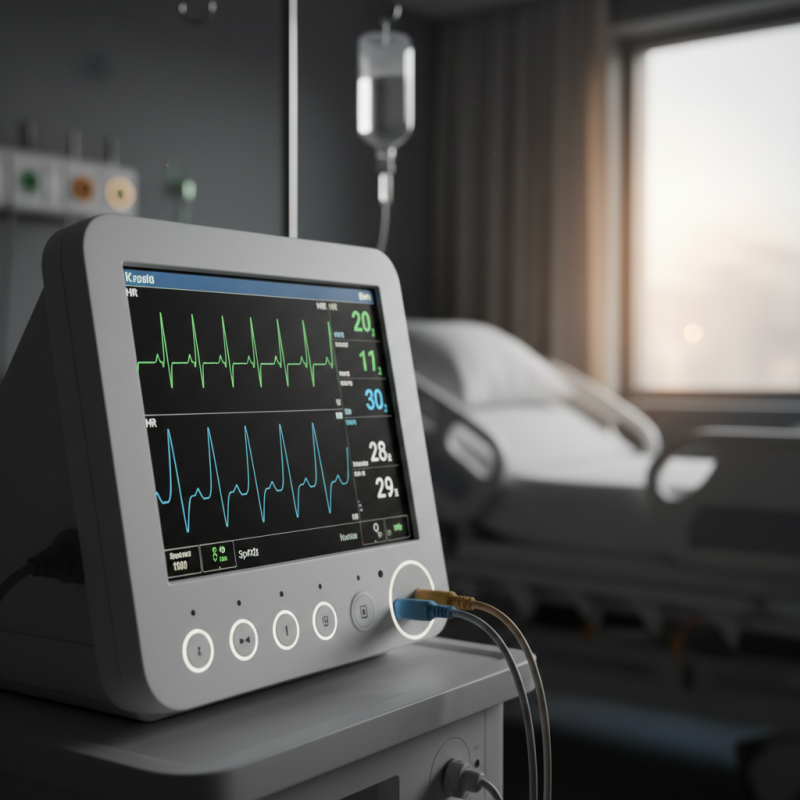
Understanding Medical Grade Monitors: Definition and Standards
Medical grade monitors are essential for patient care, particularly in critical environments. These monitors must meet specific standards to ensure accuracy and reliability. According to the FDA, these devices undergo more rigorous evaluations than general consumer models. They must comply with standards set by organizations like IEC and ISO, ensuring safety and performance.
When selecting a medical-grade monitor, it’s vital to consider how the device will be used. Some monitors may excel in vital sign tracking, yet lack in imaging quality. A report from the American Telemedicine Association highlighted that 30% of healthcare providers reported issues with device compatibility, leading to workflow disruptions. This indicates that not all monitors fit seamlessly into a hospital's technology ecosystem.
Many medical facilities still rely on outdated models that do not meet current standards. About 15% of hospitals have equipment that falls short of necessary specifications. Regular equipment upgrades are crucial, but budgets often limit these updates. Ensuring that your choice adheres to established guidelines is essential, yet challenging. Relying on outdated monitors could compromise patient safety and care quality.
Key Features to Consider in Medical Grade Monitors
When choosing medical-grade monitors, several key features should be at the forefront of your decision. Picture a monitor with high resolution. Clarity is crucial in medical settings. It helps clinicians analyze images accurately. Look for options with at least a 1920x1080 resolution. This ensures every detail is visible.
Next, consider the color reproduction capabilities. A wide color gamut can make a difference in diagnostics. This is especially true for imaging like X-rays or MRIs. Consistency in brightness and color across the screen is vital. This avoids misinterpretation, which could lead to mistakes.
Another aspect is the monitor’s calibration options. Regular calibration keeps the image quality high. Without it, monitors may drift over time. This can affect patient evaluation significantly. Ergonomics should not be overlooked either. Comfort during use can impact long-term efficiency and focus. It’s easy to dismiss these features, yet they play a fundamental role in patient care.
Importance of Patient Comfort and Usability in Monitor Selection
When selecting medical grade monitors, patient comfort should be a top priority. Patients often face anxiety during monitoring. A monitor that's easy to use can help ease their stress. Look for designs with intuitive interfaces. Simple navigation reduces confusion. Ensure that controls are easy to reach.
Another crucial aspect is the display quality. Monitors with clear, bright screens enhance visibility. Patients with vision impairments will benefit greatly. Larger font sizes can make a significant difference. Colors should be soothing and not overwhelming. You want to create a calm environment for patients.
Consider adjustable features too. Monitors that allow height and angle adjustments cater to diverse patient needs. This makes it easier for both patients and staff. If a monitor can swivel or tilt, it greatly enhances usability. Evaluate these factors to ensure a patient-centered approach to monitor selection. It’s essential to reflect on how these elements affect patient experience.
Evaluating the Reliability and Performance of Medical Monitors
When selecting medical grade monitors, reliability and performance are essential. You want devices that give accurate readings. Accuracy can save lives. You must also consider how easy it is to read the monitor. Clear displays are crucial for healthcare providers. They need to quickly interpret data at a glance.
One tip is to check the calibration frequency. Monitors should be calibrated regularly to ensure their reliability. Sensors can drift over time. Frequent checks help guarantee accurate results. Another important feature is data transmission. Fast and secure data transfer is vital. It allows for immediate response and treatment adjustments.
Evaluate the ease of maintenance, too. Some monitors are tougher to keep functioning properly. This can lead to downtime. Look for options that require less frequent servicing. You want reliable devices that don’t interrupt care. Always question the claims of long battery life, too. Batteries can fail when you least expect it.
Top 5 Tips for Choosing Medical Grade Monitors for Patients
| Tip | Description | Key Features | Performance Metrics |
|---|---|---|---|
| 1. Assess Calibration Standards | Ensure monitors meet national and international calibration standards. | ISO 13485 compliance, frequent calibration schedules | Accuracy ± 2%, Calibration Frequency: Monthly |
| 2. Evaluate Display Quality | Choose monitors with high resolution and contrast ratios for clearer images. | Resolution: 1920x1080, Contrast Ratio: 1000:1 | Brightness: 250 cd/m², Viewing Angle: 178° |
| 3. Ensure User-Friendly Interfaces | Check for intuitive navigation and control systems. | Touchscreen capabilities, Simplified menus | User error rate: < 1%, Training time: < 1 hour |
| 4. Check for Connectivity Options | Ensure compatibility with existing systems for data integration. | HDMI, VGA, USB, Network capable | Data transfer speed: 1 Gbps, Latency: < 10 ms |
| 5. Consider Patient Safety Features | Look for monitors designed with patient safety in mind. | Anti-glare technology, Comprehensive safety certifications | Tested for EMI resistance, UL certified |
Cost vs. Quality: Making an Informed Purchase Decision
When selecting medical-grade monitors, the cost versus quality debate is crucial. You might be tempted to go for the cheapest option, but this could lead to poor patient outcomes. Low-quality monitors can affect accuracy in readings. Patients deserve reliable data for their health. Striking a balance between affordability and performance is essential for a wise purchase.
Consider the specifications of each monitor. Take time to examine features like resolution and response time. High-definition displays may seem expensive, but they enhance clarity. This is especially true for critical care settings. Yet, sometimes, a middle ground exists. A monitor with good specifications might be more cost-effective than top-of-the-line devices.
Additionally, be wary of hidden costs. Maintenance and calibration might add to overall expenses. Investing too little up front can result in long-term financial challenges. Always factor in service agreements and warranties. Be prepared to revisit your decision if it doesn’t align with long-term goals. A monitor's purpose is vital for patient care, making thoughtful choices indispensable.
Comparison of Medical Grade Monitor Costs and Quality Ratings
This chart illustrates the relationship between the costs and quality ratings of various medical grade monitors. Monitor E, while the most expensive, also received the highest quality rating, indicating that higher investment could correlate with better patient care quality.