
What Is the Best Ankle Brace With Straps in 2026?
What Is the Best Ankle Brace With Straps in 2026? The answer depends on how much support you need, how the brace fits, and what you plan to do while wearing it. An Ankle Brace With Straps can offer adjustable compression and help limit unwanted ankle movement. But no single design suits every foot, activity, or injury.
This guide explains what to look for when comparing strap-style braces, including support level, adjustability, comfort, and shoe compatibility. A brace should feel secure without causing numbness, pinching, or changes in skin color. Pay attention to strap placement, too: a bulky crossing pattern may rub against the top of your shoe, while loose straps can shift during a walk. Small details matter.
Fit can be tricky. A brace that feels supportive while sitting may feel restrictive after several minutes of movement. We’ll consider practical differences between designs and explain why sizing charts, return policies, and intended-use guidance deserve a close look. Recommendations should be weighed against your needs, not just product claims or star ratings.
Ankle braces do not diagnose or treat every cause of ankle pain. If pain is severe, swelling is significant, or walking is difficult, seek advice from a qualified healthcare professional. People recovering from an injury may also need guidance on when and how long to wear a brace. The best choice is one that feels stable, fits your footwear, and supports your care plan—not simply the one with the most straps.
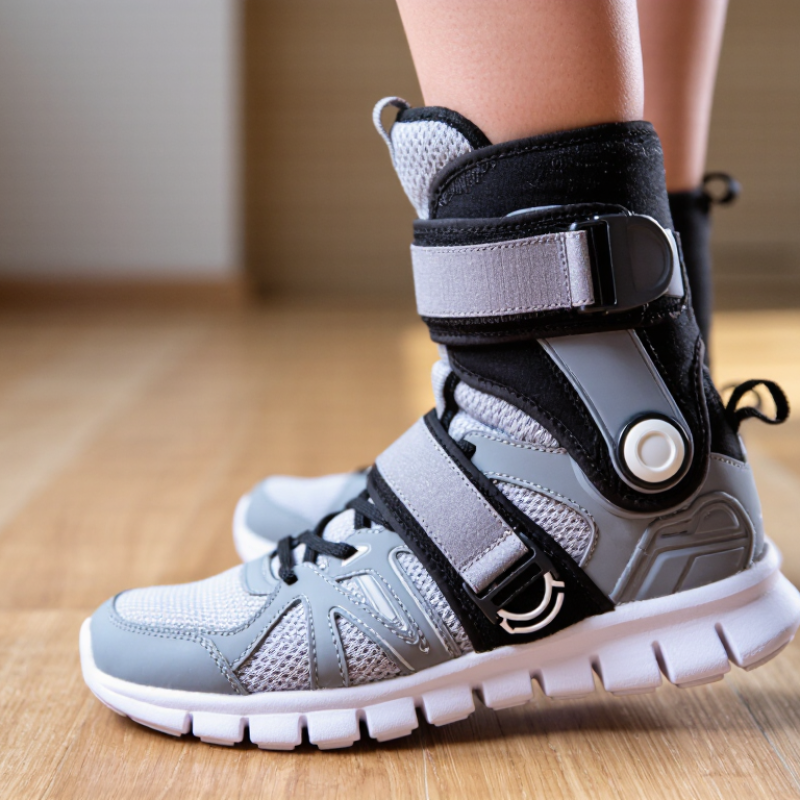
What an Ankle Brace With Straps Is and How It Works
An ankle brace with straps is a supportive sleeve or open-sided brace that wraps around the ankle and secures with adjustable bands. Many straps cross over the top of the foot and around the lower leg, forming a figure-eight pattern. This helps limit excessive inward or outward rolling while still allowing some movement. It is not a cast, and it cannot repair injured tissue by itself.
The straps work through adjustable compression and mechanical support. Snug, even tension can make the ankle feel steadier during walking or sport; excessive tension may cause discomfort or numbness. Fit can be fiddly. A practical check: you should be able to move your toes, and the brace should not create sharp pressure at the ankle bones. The 2021 clinical practice guideline from the Journal of Orthopaedic & Sports Physical Therapy recommends external support alongside progressive weight-bearing for acute lateral ankle sprains. A brace is one option, not a substitute for rehabilitation.
Research also suggests the support choice should match the injury and activity. A 2016 systematic review in the British Journal of Sports Medicine found that ankle bracing reduced sprain risk in sports, with stronger preventive value for athletes with a previous sprain. That finding does not guarantee protection. If pain, swelling, or instability persists, a clinician can assess whether the brace fits the problem and whether exercises are needed.
Types of Strap-Based Ankle Braces Available in 2026
Strap-based ankle braces come in several designs, and each offers a different balance of support and movement. Lace-up braces use adjustable side straps, often crossing over the ankle in a figure-eight pattern. They fit inside many shoes and let users fine-tune compression. The trade-off is time: threading and tightening them can feel fiddly.
Stirrup braces use firmer side supports, secured with straps around the foot and lower leg. They can limit side-to-side ankle movement, which may suit some recovery plans, but their bulk can make shoe fit difficult. Wraparound braces are usually softer and simpler to adjust. They can feel comfortable for everyday wear, though stretchy material may loosen during long walks. Hybrid models combine a lace-up body with crossing straps for extra adjustment. More support is not always better.
For choosing among them, consider the activity, shoe space, comfort, and advice from a qualified clinician, especially after a significant sprain. A brace should feel secure, not numb or painfully tight. Walk a few steps and check whether the straps stay in place. Small fit problems matter. I would not judge a brace by its strap count alone; the most supportive-looking design may be awkward for your foot or routine.
Key Features to Compare When Choosing an Ankle Brace
When comparing ankle braces with straps, look beyond how many straps they have. Check whether the brace limits unwanted side-to-side motion while still allowing comfortable walking. A secure heel cup, adjustable closures, and a low-profile shape can help keep it stable inside a shoe. Materials matter, too: breathable mesh may feel cooler, while firmer panels can feel more supportive. No brace wins every test.
Evidence can guide expectations. In a randomized study of high school basketball players, lace-up ankle braces were associated with 0.47 ankle injuries per 1,000 athlete exposures, compared with 1.41 without braces. The study reported about a 68% lower injury rate (McGuine et al., American Journal of Sports Medicine, 2011). That result does not prove every strapped design works equally well. Fit, sport, and injury history differ. A brace should feel snug, not numb or painfully tight.
Tips: Try it with the shoes you actually wear. Walk, pivot, and climb a few steps; watch for heel lift, pinching, or straps that loosen. Check whether the closures are easy to adjust with one hand. Slightly awkward, but useful: test it again after 20 minutes, when pressure points may become noticeable. For recurring pain or instability, ask a qualified clinician to assess the fit and support level.
How to Find the Right Brace for Your Ankle and Activity
The best ankle brace with straps in 2026 depends on your ankle, footwear, and activity—not just how supportive it looks. For everyday walking, a lighter brace may fit more comfortably inside a shoe. Court sports and uneven trails can call for firmer side support and adjustable straps. A brace should feel secure without pinching or causing tingling. Fit matters most.
Check your ankle measurements against the sizing instructions, and try the brace with the socks and shoes you plan to wear. Straps should hold the ankle without digging into the skin or restricting normal movement. A supportive brace can help with stability, but it does not replace rehabilitation after an injury. If you cannot bear weight, or swelling and pain persist, seek advice from a qualified health professional.
Tips: Walk indoors for a few minutes before wearing a new brace for longer periods. Recheck strap tension after moving around; it can loosen. A brace may feel reassuring at first, but tighter is not better. Be willing to exchange a poor fit, even if the support seems strong.
| Brace Type | Typical Support | Adjustability and Fit | Mobility and Footwear | Often Suited To | Considerations |
|---|---|---|---|---|---|
| Lace-up brace with crossing straps | Moderate support; lacing and straps can help limit side-to-side ankle movement. | Highly adjustable around the instep and lower leg. Can be loosened or tightened to accommodate different needs. | Usually allows more movement than a rigid brace. May fit in a roomy athletic shoe; check shoe fit before use. | Sports and everyday activities where a balance of support and movement is desired. | Can take longer to put on. Laces and straps should feel secure without causing numbness, tingling, or skin irritation. |
| Figure-eight strap brace | Moderate, directional support. The strap pattern wraps around the ankle to help provide a more secure feel. | Strap tension is adjustable, though the fit depends on correct positioning and wrapping. | Typically flexible enough for active movement; shoe compatibility varies by brace bulk. | Activities involving frequent changes of direction, if the wearer can apply the straps correctly. | Incorrect wrapping may reduce comfort or support. Follow the product’s fitting instructions. |
| Stirrup-style brace with straps | More restrictive side-to-side support, often provided by supportive side panels and securing straps. | Straps can be adjusted, but the overall fit is less flexible than a soft lace-up design. | May limit ankle movement more and can be bulky inside some shoes. | When greater side-to-side control is preferred for an activity or during a clinician-guided return to activity. | Check that the brace fits comfortably with the intended footwear and does not create pressure points. |
| Compression sleeve with support straps | Light support and compression; straps add some adjustability but generally offer less restriction than structured braces. | Often easy to put on, but sizing is important. Strap tension can usually be adjusted. | Low-profile designs may fit a range of shoes and allow a relatively natural range of motion. | Light activity or situations where a less bulky option is preferred. | Compression is not the same as firm mechanical support. Avoid a fit that feels tight, painful, or affects circulation. |
| Hinged brace with adjustable straps | Structured support with side hinges that can help control movement while allowing some ankle motion. | Straps secure the brace; fit can be less forgiving and may require careful positioning. | Usually bulkier than soft braces and may not fit comfortably in every shoe. | People advised to use a more structured brace for a specific activity or recovery plan. | Follow clinician guidance when prescribed. Confirm that the hinges sit correctly alongside the ankle. |
How to choose: Match the brace’s support level to your activity, ankle comfort, and footwear. A secure fit should not cause pain, numbness, tingling, or changes in skin color. If you have a significant injury, persistent swelling, or difficulty bearing weight, seek advice from a qualified healthcare professional before returning to activity.
How to Fit, Wear, and Care for an Ankle Brace with Straps
A good fit starts with the heel seated fully in the brace and the foot held at a comfortable angle. Put on a thin, smooth sock to reduce rubbing, then fasten the straps evenly. Snug, not tight. You should be able to move your toes, and your foot should not feel numb, unusually cold, or tingly. If it does, loosen the straps and check the fit again. Follow the sizing guide supplied with your brace; designs differ, and guessing can leave pressure in the wrong place.
Wear the brace for the activity and duration recommended by your clinician or the product instructions. When trying it for the first time, check your skin after a short period. Red marks that linger, pinching near the ankle bones, or new discomfort deserve attention. A brace should support movement, not force you through worsening pain. That distinction can be easy to miss.
After use, loosen the straps and inspect the lining, seams, and fasteners for wear. Wash it only as directed, usually with mild soap and cool water, then let it air-dry completely before wearing it again. Avoid high heat, which may damage elastic or molded parts. I might be tempted to rush that drying step; damp fabric can irritate skin, so waiting is worthwhile. If swelling changes or the brace keeps slipping, ask a qualified health professional to reassess the fit.