
What is an Anti Drone Device and How Does it Work?
The rise of drones poses significant challenges for security and privacy. Various sectors now seek solutions to mitigate these challenges. Anti Drone Devices have emerged as critical technology in this context. According to a report by MarketsandMarkets, the global anti-drone market is expected to reach $3.2 billion by 2025. This growth reflects the escalating need for protection against unauthorized drone usage.
Experts emphasize the importance of effective anti-drone solutions. Dr. Emily Carter, a leading figure in drone security research, states, "Anti Drone Devices are essential in safeguarding sensitive areas from potential intrusions." This highlights the urgent demand for these devices across various industries. Their role is not merely protective but also preventive, ensuring public safety and privacy.
Despite advancements, the anti-drone sector faces challenges. Regulation and technology gaps remain under scrutiny. As different industries adopt these devices, the effectiveness and reliability must continually improve. The conversation around anti-drone technology is evolving, yet gaps and uncertainties linger. A collective effort is essential to enhance efficacy and address emerging threats.
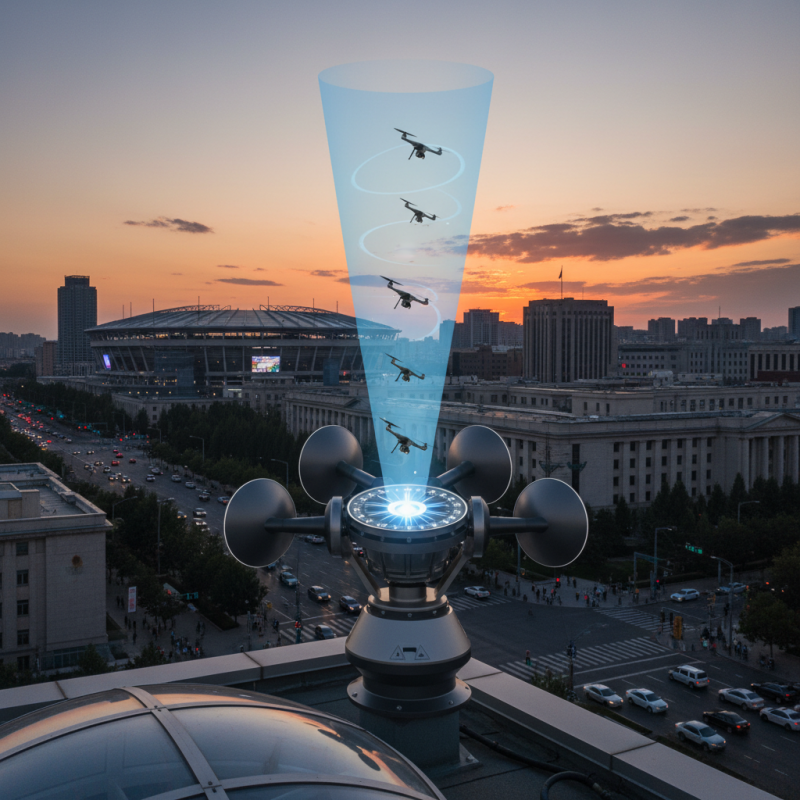
Definition of Anti Drone Devices and Their Purpose
Anti-drone devices are innovative tools designed to detect and neutralize unauthorized drones. Their primary purpose is to safeguard sensitive areas from potential threats posed by commercial or recreational unmanned aerial vehicles. As drone technology advances, so does the need for effective countermeasures, making these devices increasingly relevant in today's security landscape.
These devices employ various technologies such as radio frequency jamming and directional antennas. Radio frequency jamming disrupts the communication between the drone and its operator. Directional antennas can pinpoint the drone's location and either disrupt its signals or take over control. Each method presents unique benefits and challenges. For instance, while jamming is effective, it can inadvertently interfere with other devices. This raises concerns about operational limitations.
The deployment of anti-drone devices must consider ethical implications and regulations. Striking a balance between security and privacy is vital. Moreover, their effectiveness can vary based on the environment. Not all devices function identically in urban versus rural settings. Continuous testing and adjustment are necessary to improve reliability. A thoughtful approach can enhance their applications, ensuring protection without infringing on rights.
Anti Drone Device Market Overview
This chart illustrates the distribution of various anti-drone device types in the market, including Jamming Devices, Capture Devices, Detection Systems, and Cybersecurity Solutions. The data reflects the estimated market share percentage for each type, highlighting the increasing focus on different technological approaches to mitigate drone threats.
Types of Anti Drone Technologies Available
Anti-drone technologies have surged in popularity due to increasing concerns over privacy and security. Several types of anti-drone devices are now available in the market, each designed for specific applications. These include jamming systems, net capture mechanisms, and radar detection systems. A recent report by Drone Detection Company highlighted that the global anti-drone market is expected to reach $3.4 billion by 2024, reflecting a rapid expansion in response to the proliferation of drones.
Radar detection systems offer another approach. They allow users to monitor airspace and detect unauthorized drones. However, 22% of security professionals have reported challenges in accurately identifying small drones, leading to potential vulnerabilities.
How Anti Drone Devices Detect Unauthorized Drones
Anti-drone devices are becoming essential tools for security. These systems detect unauthorized drones using various technologies. Radar, radio frequency (RF) scanning, and optical cameras are the primary methods utilized. According to a report by Drone Industry Insights, the global anti-drone market is projected to reach $2.2 billion by 2027, showing increasing demand for these solutions.
RF technology captures the signals between the drone and its operator. When a drone operates outside regulated airspace, RF detectors can pinpoint its location. Meanwhile, radar systems provide real-time tracking of multiple drones in the area. However, these systems may struggle in environments with high electromagnetic interference. Some users report frequent false alarms, leading to operational issues.
Visual detection methods, like cameras with specialized software, enhance reliability. They can identify drone shapes and movements. Yet, this technology is not foolproof. Poor lighting conditions or sophisticated drones can complicate detection. Thus, improvements are necessary. As threats from unauthorized drones rise, investing in better detection methods is vital. Security agencies need robust solutions to ensure public safety.
Methods of Neutralizing Threatening Drones
Drones are increasingly used in various sectors, from agriculture to surveillance. However, their misuse raises security concerns. Anti-drone devices neutralize these threats effectively. There are several methods available to achieve this.
Jamming is a common technique. It disrupts the communication between the drone and its operator. By emitting signals, it forces the drone to land or return home. According to the Federal Aviation Administration (FAA), jamming can prevent unauthorized access to sensitive areas. Another method involves drone capture systems. These systems use nets to physically intercept and capture drones mid-flight. Reports suggest that these can be especially useful near airports, protecting against potential collisions.
Another promising technology is signal spoofing. This technique sends false signals to the drone, misleading it into thinking it is operating correctly. A study conducted by the European Union Aviation Safety Agency (EASA) found that this method can redirect drones without damage. Each method has its pros and cons. For instance, jamming may affect nearby devices, while capture systems require precise targeting. These weaknesses highlight the need for innovative solutions in rapidly evolving airspace.
What is an Anti Drone Device and How Does it Work? - Methods of Neutralizing Threatening Drones
| Method | Description | Effectiveness | Deployment |
|---|---|---|---|
| Jamming | Disrupts the communication signals between the drone and its operator. | High | Portable or fixed installations |
| Kinetic Interception | Uses projectiles to physically knock the drone out of the sky. | Effective at close range | Requires trained personnel |
| Net Capture | Fires a net to entangle the drone and bring it down safely. | Moderate | Requires specialized equipment |
| Signal Spoofing | Mimics the drone’s command signals to take control of it. | High, if successful | Technical expertise needed |
| Laser Interception | Uses lasers to damage the drone's systems. | High, long-range | Fixed installation |
Real-World Applications and Limitations of Anti Drone Devices
Anti-drone devices serve critical roles in various sectors, especially in security and defense. They are designed to detect, track, and neutralize unauthorized drones that may pose threats. These devices utilize various technologies, such as radar, radio frequency jamming, and even laser systems, to achieve their objectives. In recent years, airports, military bases, and large events have increasingly employed these technologies to ensure safety.
Real-world applications of anti-drone devices highlight their importance. In urban areas, they can prevent drones from capturing sensitive information. For instance, protecting government buildings or high-profile events has become essential. However, limitations persist. Not all anti-drone systems can operate in every environment. Weather conditions can hinder detection capabilities. Furthermore, distinguishing between commercial and rogue drones remains a challenge.
The effectiveness of anti-drone devices often requires ongoing refinement. Some devices may inadvertently affect legitimate drone operations, raising ethical concerns. As authorities grapple with regulations, the balance between safety and privacy remains delicate. Ongoing discussions about drone usage and countermeasures will shape the future landscape of airspace security. Finding the right solutions demands careful consideration of technological, legal, and ethical aspects.